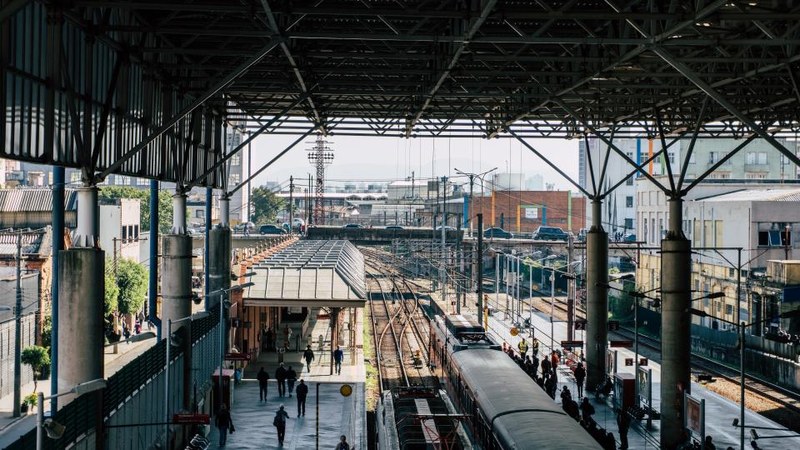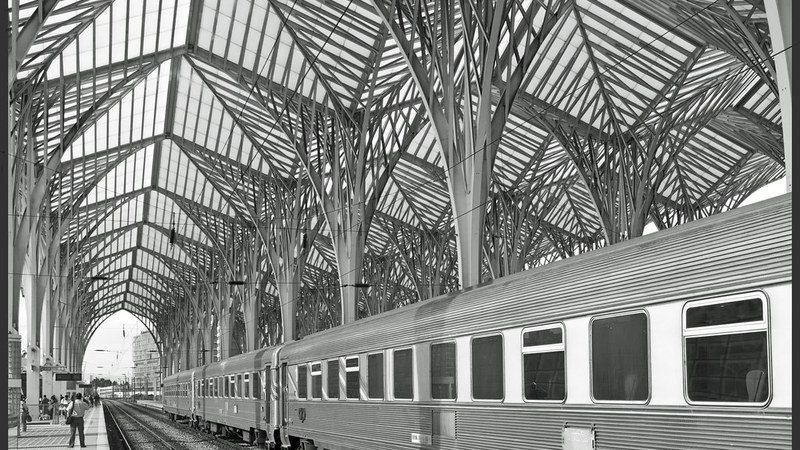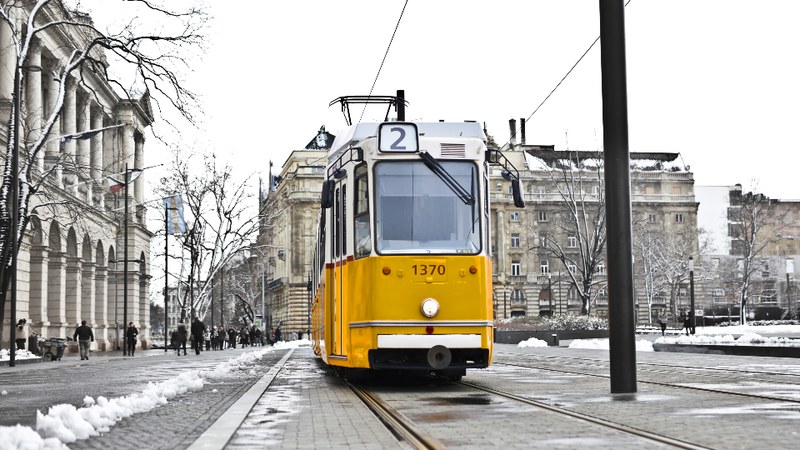
Hungary has launched a nationwide rail investment scheme worth HF3 550bn (€9.76bn) scheduled for completion by 2035. The Gábor Baross Railway Development Plan, announced on July 22, 2026, at Rákospalota-Újpest station in Budapest, aims to modernize main line and urban rail infrastructure. This initiative follows a political agreement between the Hungarian Government and the European Union signed in May 2026, enabling EU funding to support the project upon meeting governance conditions.
Rolling Stock Procurement and Environmental Initiatives
The plan includes purchasing 35 double-deck electric multiple-units (EMUs) for inter-city routes, managed by national operator MÁV Személyszállítási Zrt. Additionally, 42 EMUs will replace ageing rolling stock on Budapest’s
H5, H6, and H7 suburban rail lines. A further HF95bn is allocated for procuring battery-electric multiple units (BEMUs) and charging infrastructure on the Debrecen–Füzesabony, Sárbogárd–Szekszárd–Baja, and Hatvan–Salgótarján–Somoskőújfalu lines, targeting improved environmental performance on secondary routes.
Infrastructure Modernization and Metro Expansion
Infrastructure upgrades will renew Budapest’s H5 (21 km), H6 (40 km), and H7 (6.7 km) suburban rail lines by 2030 to support new rolling stock. Metro Line M3 will be extended northwards by two stations, from Újpest-központ to Rákospalota-Újpest, also targeting 2030 completion. Additional suburban rail lines, including Budapest–Lajosmizse–Kecskemét and Budapest–Veresegyház–Vác, will be rebuilt and electrified to allow through running without passenger transfers. Rákospalota-Újpest station
will be reconstructed with new overbridges as part of this effort.
Station Upgrades, Network Capacity, and Ongoing Projects
The plan includes constructing a rail flyover at Ferencváros yards and a new passenger station at Népliget to facilitate interchange with Metro Line M3. Déli pályaudvar main line terminus and the tunnel to Kelenföld will be modernized to accommodate double-deck trains. A new station at Hungária körút on the Budapest–Miskolc main line will connect with tram Route 1. Upgrades on the Debrecen–Nyíregyháza main line will enable 160 km/h operating speeds and add two stations in Debrecen by 2030. Reconstruction of Szolnok station and multiple stations near Lake Balaton are
also included. Tram-train schemes will extend Debrecen’s tram Route 1 and link Kazincbarcika with Tiszaújváros via Miskolc center. Plans exist to develop suburban rail services for Győr and Eger.
Budapest–Beograd Signalling and Governance Measures
The Budapest–Beograd main line signalling system supplied by China Railway Signal & Communication faces commissioning delays; however, full revenue service is expected to begin in September 2026 pending TÜV safety certification. The plan calls for establishing a national transport authority overseeing rail and coach services alongside a digitalisation programme and upgrades to electrical substations nationwide. These measures target long-standing network reliability issues.
Transport Minister Dávid Vitézy described the programme as unprecedented
in scale for Hungary over the past six decades, emphasizing that the investment is fully financed and assigned as a work order to the ministry and MÁV for delivery by 2035.
The investment plan builds on the political agreement following Hungary’s April 2026 general election, with EU funding release contingent on reforms by August 31, 2026. The average age of MÁV’s current rolling stock is 43 years, highlighting the urgency of the fleet renewal embedded in the plan.