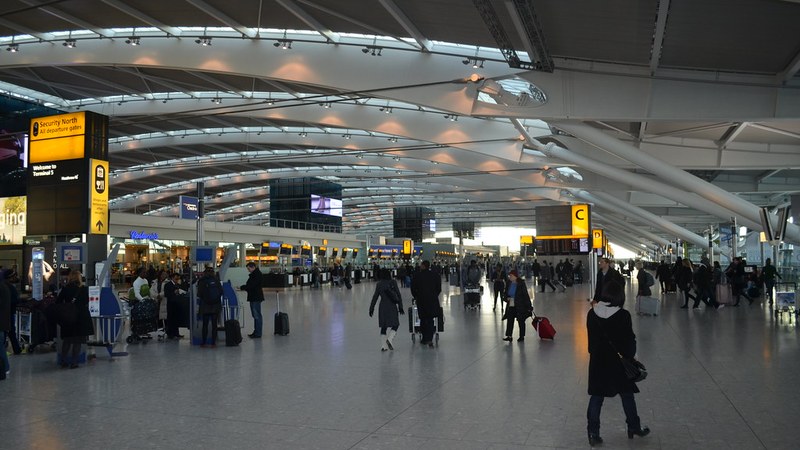
More than 20 flights across Europe were disrupted by hoax bomb threats delivered via anonymous emails during the first week of November 2026. The threats affected numerous countries including the Czech Republic and Italy, with at least four flights diverted within the Czech Republic and two flights in Italy on Thursday alone. Earlier in the week, on Tuesday, at least seven flights and one cruise ship also received similar bomb threats.
Details of Threats and Operational Responses
Anonymous emails were used to send false bomb threats to airports across Europe. Václav Havel Airport in Prague confirmed receiving an email that referenced four flights with alleged explosive
devices. Czech Police stated these emails were also sent to multiple other European airports. In Italy, two flights bound for Rome Fiumicino Airport—from Helsinki and Dublin—were targeted by threats linked to an email from “The Male State,” an anti-feminist group banned in Russia and known for extremist views. A spokesperson from Rome Fiumicino Airport authenticated screenshots of the threat email.
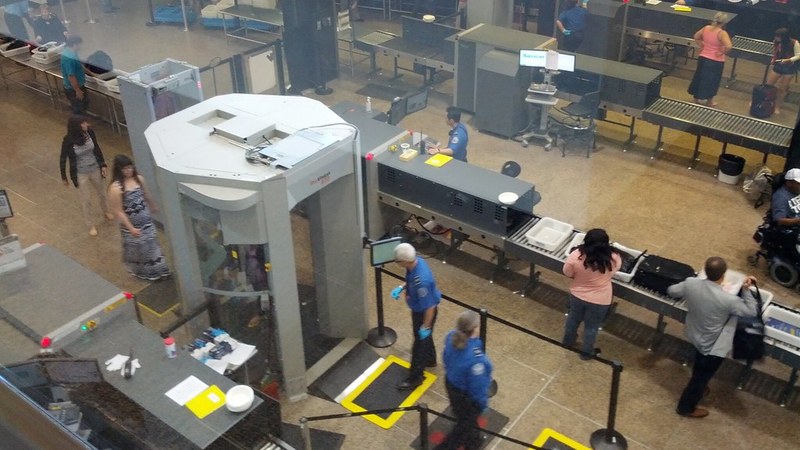
Security measures, including searches at airports and scrambling of fighter jets, were quickly implemented following protocol. These procedures are standard across European airports, designed to ensure swift and coordinated responses to bomb threats, whether credible or hoax.
Flight Diversions and Impacted Routes
Flight disruptions included
diversions and cancellations across several routes. On Thursday, four flights in the Czech Republic were diverted due to threats, along with two flights in Italy. Spanish and Danish flights were rerouted to Sofia, Bulgaria. An Aer Lingus flight heading to Rome was diverted to France. In total, passengers and crew on at least 14 flights were directly affected on Thursday. Earlier on Tuesday, similar rerouting and cancellations impacted at least seven flights.
Expert Analysis and Official Responses
Security experts described the threats as part of a broader pattern of malicious hoaxes with possible links to hybrid campaigns. Eric Schouten, head of the aviation security group
Dyami, linked the incidents to a pattern of disruptions attributed to Russian state actors, noting concurrent cyberattacks on critical European infrastructure.
Keith Jeffries, former Federal Security Director at Los Angeles International Airport (LAX), emphasized that European airports maintain and train for bomb threat management plans to react decisively. He said, “[Airports] will have bomb threat management plans, and they’ll train to that plan,” ensuring threats are never ignored.
UK Transport Minister Heidi Alexander confirmed that established procedures were activated to manage what she described as a “malicious hoax.” She underscored that the disruptions triggered existing safety protocols at affected airports.
Eliran Almog, CEO of aviation cybersecurity company Cyviation, observed that “aviation threats are also occurring in the same period as cyberattacks on supermarket refrigeration systems across Europe,” underlining a coordinated series of disruptions to critical services.
Traveler Impact and Security Measures
Passengers and crew on more than a dozen flights faced delays or diversions as a result of the threats. Aer Lingus was specifically noted for diverting a flight destined for Rome to France. Other flights were rerouted to Sofia from Spain and Denmark. Authorities confirmed that no explosives were found at any location after extensive searches.
All affected airports implemented security searches and operational
adjustments in line with established bomb threat protocols. These swift actions were instrumental in minimizing potential risks from the hoax threats while causing short-term disruption to scheduled flights.
Confirmed Facts and Limitations of Current Information
While the threats have been confirmed as hoaxes with no explosives discovered, the responsible parties remain unidentified beyond the email from “The Male State” linked to the Italian flights. Authorities have not officially attributed the incidents to any state or group, and ongoing investigations continue. The European Union has not confirmed connections between this incident and other security events.
Information about specific airlines affected beyond Aer Lingus or details of all airports
involved aside from Václav Havel Airport in Prague, Rome Fiumicino Airport, and Sofia in Bulgaria remains undisclosed. Security agencies and analysts continue to monitor evolving threats within European airspace.