Hantavirus Incident on Cruise Ship Arriving in Rotterdam
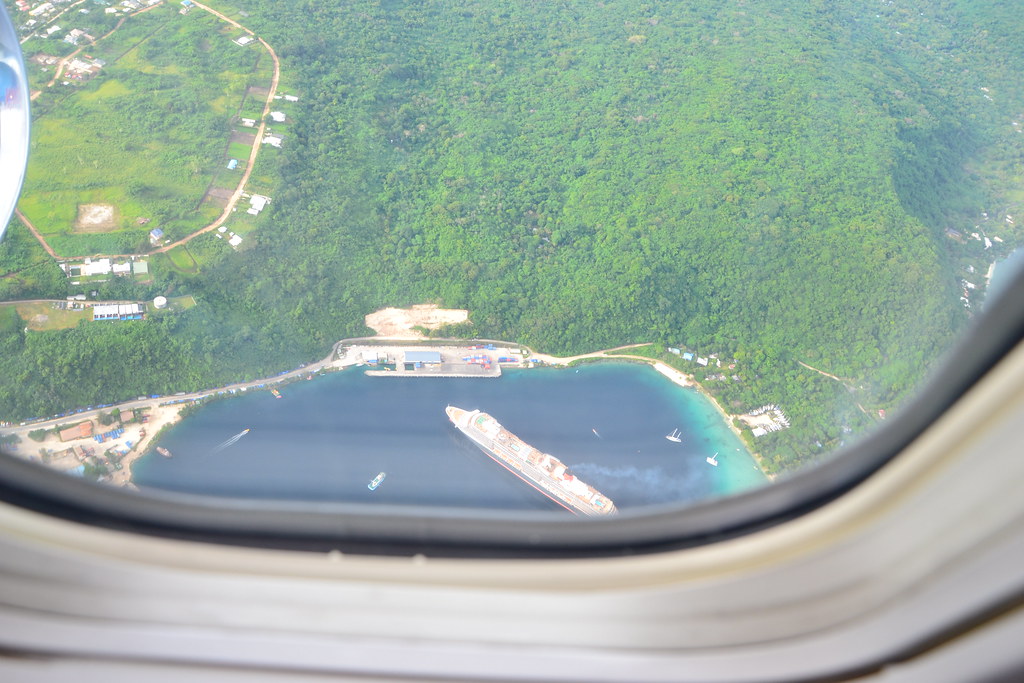
A cruise vessel recently docking at the Port of Rotterdam, Netherlands, has been identified as the site of a hantavirus outbreak. Authorities responded by initiating comprehensive disinfection procedures to mitigate the risk of further transmission. This development has prompted increased vigilance across European ports, with implications for the cruise industry and global travelers alike.
While detailed infection data have not been disclosed, the presence of the virus onboard requires rigorous containment efforts. The Rotterdam port facility facilitated the ship’s disinfection, applying protocols aligned with current international health safety standards for maritime travel.
Enhanced Disinfection and Health Protocols in Response to the Hantavirus Outbreak
Following confirmation of virus cases onboard, health officials
activated heightened sanitation and health monitoring measures. The disinfection process included comprehensive cleaning of common areas, crew quarters, and ventilation systems. These protocols are designed to interrupt potential virus spread among passengers and crew.
Background health measures established at various European cruise ports have been reinforced in the wake of this incident, reflecting an overall elevation of global travel health vigilance. These include improved screening, onboard sanitation training for crew members, and updated passenger notification procedures.
Implications for U.S. Travelers Planning Cruises Amid Global Health Alerts
U.S. travelers considering cruise vacations should be aware that voyages may be subject to enhanced health monitoring requirements related to hantavirus risks. Some itineraries
might experience adjustments due to port health measures aimed at preserving passenger safety.
Passengers are advised to stay informed through official cruise line communications and port authorities. Ensuring compliance with onboard health directives and pre-boarding screening protocols will be essential for a safe cruising experience during this period of heightened health awareness.
Why the Hantavirus Outbreak on a Cruise Ship Matters to Global Travel Safety
This incident highlights vulnerabilities in managing infectious diseases within the confined environment of cruise ships. The global cruise industry relies heavily on coordinated health responses to prevent outbreaks that can disrupt operations internationally.
Proactive disinfection and health monitoring foster passenger confidence and help maintain schedule integrity, especially for
itineraries involving multiple international ports. The heightened response in Rotterdam serves as a case study in effective virus containment strategies in a critical transit hub.
Given the interconnected nature of maritime travel and global tourism, lessons learned from this event will inform future outbreak management and safety protocols worldwide.
Traveler Guidance and Industry Outlook
While no direct travel bans or large-scale itinerary cancellations have been reported, travelers should prepare for possible changes or additional health screenings. Cruise operators are expected to maintain transparency with passengers regarding any evolving health advisories.
Continued cooperation between port health authorities, cruise lines, and international health organizations remains a priority
to mitigate risks associated with viral outbreaks such as hantavirus. U.S. travelers planning international cruises should monitor updates to navigate these developments safely.