Hantavirus Exposure Prompts U.S. Quarantine Following Rotterdam Docking
Recent developments involving a cruise ship docked at the Rotterdam port have drawn attention to hantavirus risks within the global cruise sector. U.S. health authorities ordered quarantine for at least two American passengers who were exposed aboard the vessel. These measures reflect mounting concerns over infectious disease management while cruising, especially on routes intersecting major European ports.
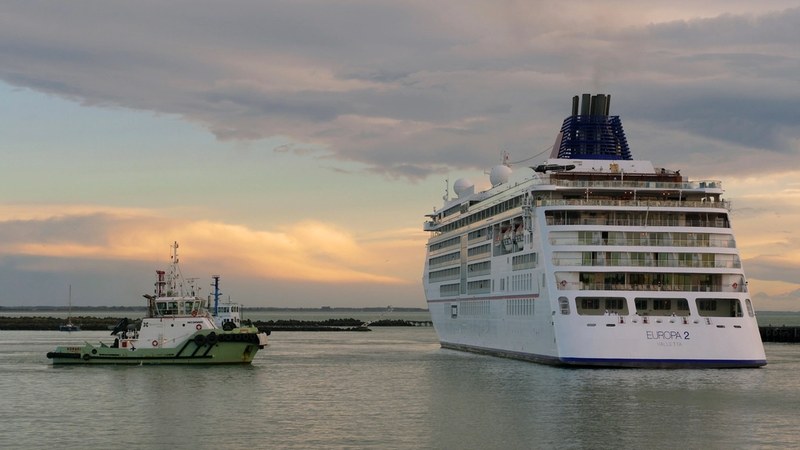
The Rotterdam port, a key hub for international cruise traffic, became the focal point for an extensive disinfection operation. This protocol aims to contain any potential hantavirus contamination to protect subsequent passengers and crew. Although details regarding the scale of the outbreak remain
undisclosed, the incident highlights increasing vigilance around communicable diseases in maritime travel.
Intensified Disinfection Procedures at Rotterdam Port
In response to the detected hantavirus exposure, authorities undertook rigorous cleaning and sanitization of the affected cruise ship during its Rotterdam port call. Disinfection protocols included comprehensive surface treatment and air system cleansing aligned with public health guidelines. These actions serve to reduce the risk of viral transmission before the vessel resumes further operations.
Rotterdam’s strategic position in Northern Europe as a cruise gateway means that health safety measures here influence broader regional and transatlantic cruise itineraries. The enhanced sanitation efforts underscore the port’s role in enforcing global
cruise health standards and mitigating outbreak escalations.
Global Cruise Health Alerts Shape Passenger Experiences
This hantavirus-related incident adds to a series of emerging health alerts influencing the cruise industry’s operational landscape. Cruise lines and health agencies worldwide have been tightening screening, onboard infection controls, and post-disembarkation protocols. For travelers, these adjustments translate into more thorough health assessments, potential delays, or isolation requirements when illness risks are identified.
Passengers embarking from or transiting through European ports such as Rotterdam should anticipate possible health screenings. U.S. travelers on cruises involving these ports are particularly affected by quarantine guidance issued by American health authorities, reflecting ongoing efforts to prevent outbreaks
in home jurisdictions.
What Travelers Should Monitor and Prepare For
Americans planning cruises with routes including Rotterdam or connecting European destinations should stay current on official health advisories and cruise line communications. Key points include:
Monitoring updates from U.S. quarantine authorities and port health officials. Expecting enhanced health screenings both before embarkation and during the voyage. Being prepared for potential isolation or quarantine if exposure to infectious agents is suspected. Verifying cruise operator policies regarding health incidents and onboard infection prevention.
Adherence to these measures can help minimize traveler disruption and contribute to safer cruise environments amid evolving global health challenges.
Health Safety Remains Priority for Cruise Industry and Passengers
While confirmed hantavirus cases aboard the
affected ship remain limited to known individuals, this event highlights the cruise sector’s sensitivity to novel and re-emerging health threats. Collaborative efforts between ports like Rotterdam, international health agencies, and U.S. officials demonstrate a proactive approach to outbreak containment.
For cruisers, understanding the implications of such quarantine orders and sanitation practices is essential in managing expectations. Maintaining vigilance and compliance with health directives supports the sustained confidence needed for safe and enjoyable cruising in today’s complex travel environment.