Group Travel Emerges as a Driving Force in U.S. Tourism Growth
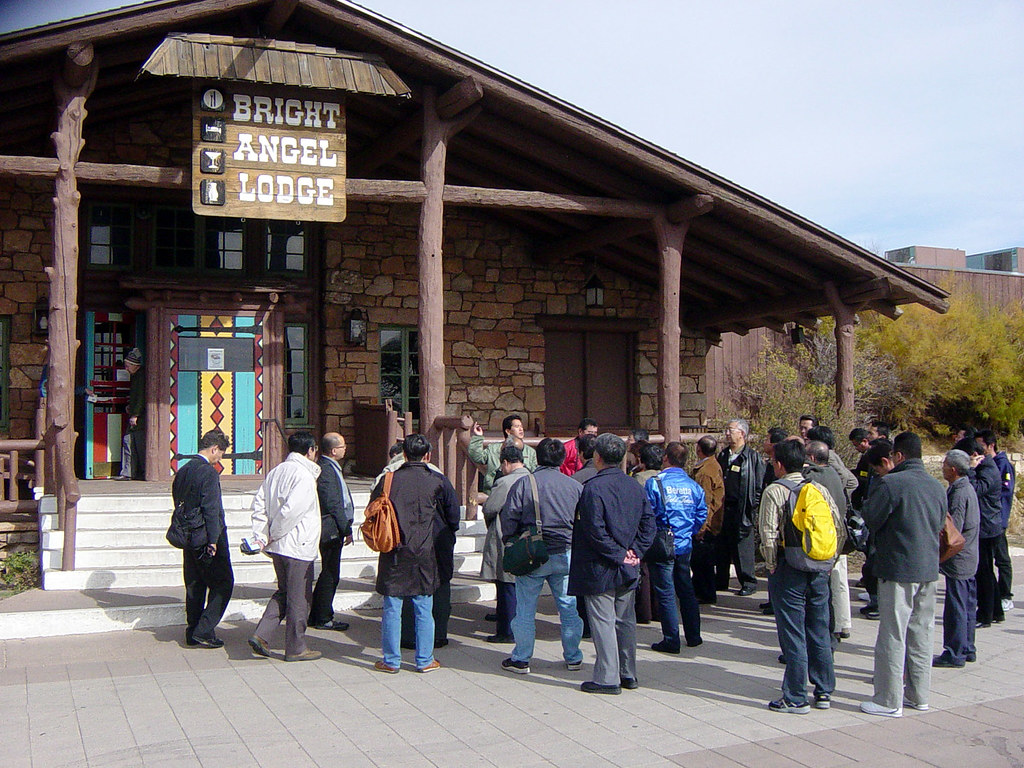
The evolving travel habits of Americans reveal that group travel is increasingly central to the broader tourism recovery and growth observed in 2026. Recent industry data highlights a notable shift in traveler preferences, with more people choosing the shared experiences and social dynamics that group travel offers. This marks a significant transformation from previous years and positions group travel as a pivotal element in tourism strategies moving forward.
U.S. tour operators are paying close attention to this momentum. The growing demand for group-based itineraries is encouraging a rethink of product design, marketing, and operational execution to better serve both domestic
and international travelers.
How Travel Transformation Is Impacting U.S. Tour Operators
As group travel gains prominence, operators across the United States are adapting to a landscape marked by evolving traveler expectations. This transformation encompasses more than just larger group sizes; it involves offering tailored experiences, enhanced pricing models, and flexible group options that appeal to diverse demographics including families, corporate groups, and niche traveler segments.
Operators are recognizing that the resurgence of group travel unlocks opportunities for improved itinerary innovation, collaborative marketing partnerships, and scalable service models. These adaptations are critical for capitalizing on the upswing in group bookings while maintaining quality standards and traveler satisfaction.
Traveler Benefits and Emerging Opportunities
For American
travelers, the rise of group travel translates into several consumer advantages. Group travel can facilitate access to more competitive pricing through economies of scale, broaden the variety of destinations and packages available, and simplify planning through prearranged tours and coordinated travel logistics.
Moreover, group travel often encourages social interaction and cultural exchange, aspects that many travelers now seek after prolonged periods of restricted movement. These factors collectively contribute to a richer travel experience and strengthen travel demand within the U.S. tourism sector.
Key Areas to Watch for Emerging Trends
Development of new group travel segments, including multi-generational and interest-based tours. Increased digital integration allowing for seamless booking
and customization of group itineraries. Partnerships between tour operators and local communities to create authentic travel experiences. Innovations in pricing strategies to offer value while supporting sustainable tourism growth. Expansion of group travel marketing aimed at diverse U.S. traveler profiles.
What Travelers and Industry Partners Should Consider Next
Given the current trajectory, travelers interested in group travel should explore emerging packages that focus on personalized yet socially engaging experiences. Staying informed about operators’ offerings and flexible policies can enhance travel planning and satisfaction.
Meanwhile, tour operators and industry stakeholders in the U.S. will need to continue monitoring traveler behavior trends and feedback closely. Optimizing group travel products with
an emphasis on scalability, safety, and cultural relevance can support longer-term tourism growth and resilience.
As group travel continues to transform the tourism landscape, it serves as a catalyst for innovation and collaboration across the U.S. travel industry, benefiting operators and travelers alike.