Overview of Current Airline Route Cuts and Policy Changes
Several major U.S. airlines have recently announced adjustments to their domestic and international flight networks. These changes involve the reduction of flight routes and the implementation of more stringent travel protocols. These measures align with ongoing responses to travel disruptions experienced across the industry in 2026.
While details on the full scope of affected routes remain limited, multiple carriers are reportedly streamlining their flight offerings. This recalibration is intended to manage operational challenges while addressing passenger demand shifts and regulatory pressures.
Passenger Experience Amid Increased Travel Interruptions
For travelers departing from U.S. airports, the route cuts and tighter airline rules translate into higher risks of delays
and cancellations. Passengers may encounter more frequent schedule changes as airlines adjust capacities to evolving conditions.
In addition, enhanced airline policies may introduce stricter requirements for ticket modifications, checked baggage, and boarding procedures. These changes require travelers to carefully review airline communications before departure to avoid unexpected complications.
Strategic Factors Behind Airline Decisions
Industry observers note that U.S. airlines are responding to a complex set of factors contributing to current travel disruptions. Labor shortages, fluctuating demand, and logistical constraints all play roles in the decision to cut certain routes.
Moreover, regulatory bodies have introduced guidelines that prompt airlines to tighten rules aimed at bolstering safety
and efficiency amid unpredictable travel volumes.
Implications for Future U.S. Travel Patterns
The ongoing adjustments by airlines may reshape travel patterns within and beyond the United States. Reduced flight availability on select routes might encourage passengers to seek alternative airports or connect through different hubs.
International travelers should also anticipate changes in flight options and potentially more rigorous entry and transit protocols.
Preparing for Travel in a Disrupted Environment
Given the evolving landscape, U.S. passengers are advised to anticipate possible inconveniences and to plan accordingly. Early booking, flexible itineraries, and staying informed through official airline channels can mitigate some risk.
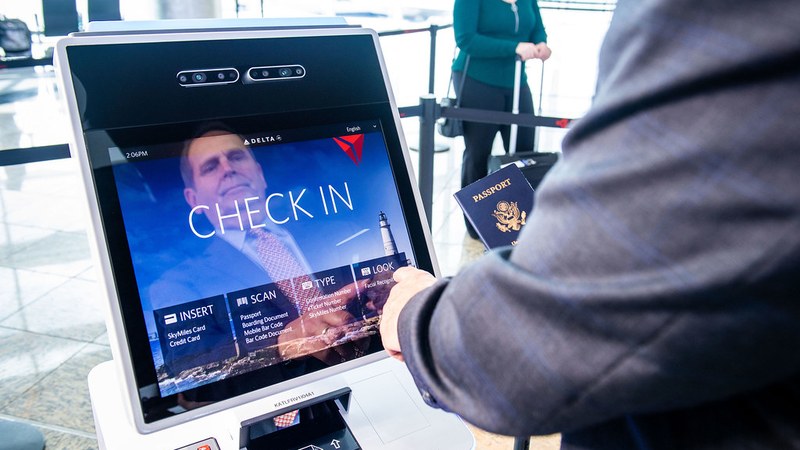
Travelers should also allow additional time for airport procedures, considering that tighter controls
and verification processes may extend wait times.