Flight Interruptions at Major Texas Airports Due to Severe Weather
Summer travel plans for many U.S. passengers have been unsettled recently by significant flight disruptions centered on Texas hubs. Notably, the Dallas-Fort Worth International Airport (DFW) and Dallas Love Field have experienced operational delays and cancellations as persistent thunderstorms led the Federal Aviation Administration (FAA) to implement ground stops.
The adverse weather conditions at these key airports have directly affected the flow of flights, causing ripple effects across the U.S. air travel network. The FAA’s ground stop measures were necessary to maintain safety during intense thunderstorm activity, but they also contributed to schedule interruptions.
Operational Impact on Major Airlines Including American Airlines
Among the airlines dealing with disruptions,
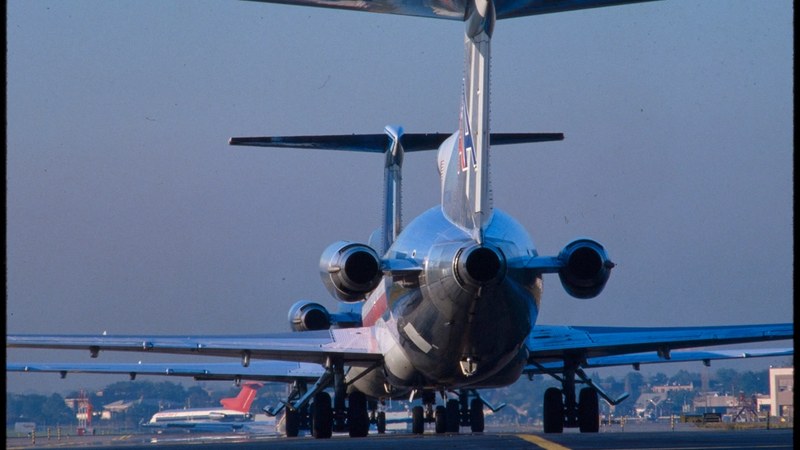
American Airlines—one of the largest carriers operating out of DFW—has faced cancellations and delays along with other legacy and low-cost carriers such as Southwest, United, and Delta. These operational challenges stem from weather as well as the complex logistics of re-routing and ground handling under constrained conditions.
Passengers flying through these airports during the peak summer travel period have encountered delays, with some flights postponed or rerouted. These challenges reinforce the vulnerability of air travel infrastructure to sudden weather events especially at major hubs.
The Broader Implications for U.S. Summer Travel
The ongoing disruptions contribute to already heightened concerns about U.S. summer travel chaos. Southwest and American
Airlines in particular have had a notable presence in these hubs, complicating recovery as airlines attempt to adjust crew schedules, gate availability, and passenger accommodations.
With the summer season generally carrying elevated traveler volume, any significant interruption—whether weather or operational—can amplify cascading delays across domestic and connecting flights. This pattern has become increasingly evident as airports navigate capacity constraints and staffing fluctuations.
What American Travelers Should Consider for Upcoming Trips
Given the operational environment, American travelers planning trips through Dallas-Fort Worth or other Texas airports are advised to prepare for potential schedule changes. Flexibility in travel plans, including monitoring airline notifications and considering travel insurance, could mitigate inconveniences.
Passengers are encouraged to check the status of their flights regularly and anticipate longer wait times at terminals. Early airport arrival times and proactive communication with airlines can also aid in managing disruptions more effectively.
Assessing the Significance of These Disruptions
These flight interruptions highlight the challenges faced by the U.S. aviation sector when severe weather coincides with peak travel periods. Dallas-Fort Worth serves as a vital hub connecting multiple routes; disruptions here have amplified impacts on nationwide passenger flows.
Understanding these effects is crucial for industry stakeholders and travelers alike, as it underscores the importance of robust operational resilience and passenger preparedness amid unpredictable climate
events and busy reservation seasons.