Ongoing Flight Disruptions Affecting Key International Air Corridor
Flights operating between Tokyo and Dubai are currently experiencing significant disruptions, resulting in delays and cancellations that have left numerous passengers stranded at transit hubs. This development highlights continuing challenges within the Asia-Middle East air travel network, a corridor that serves as a crucial link for business and leisure travelers alike.
Passenger Impact and Travel Challenges
Travelers planning journeys along this route should be aware of possible changes to their schedules. The interruptions have created an unpredictable environment for passengers, who face extended waits and potential adjustments to connecting flights. Industry observers urge travelers to check flight statuses proactively and allow for extra time when
making travel arrangements through these hubs.
Stranded Passengers and Airport Conditions
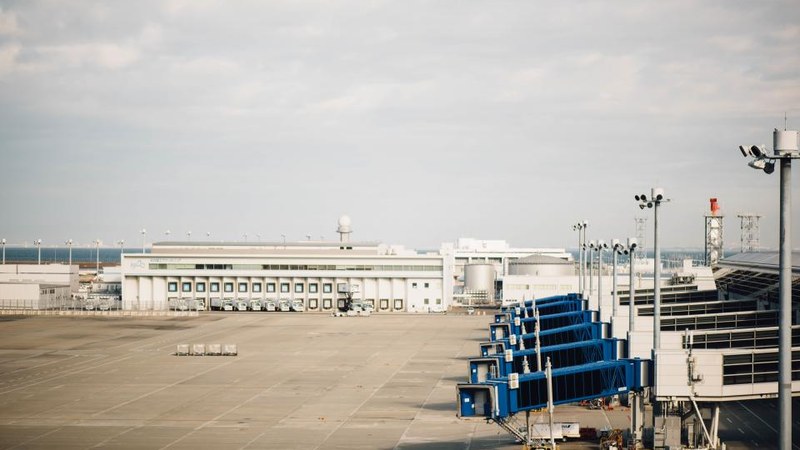
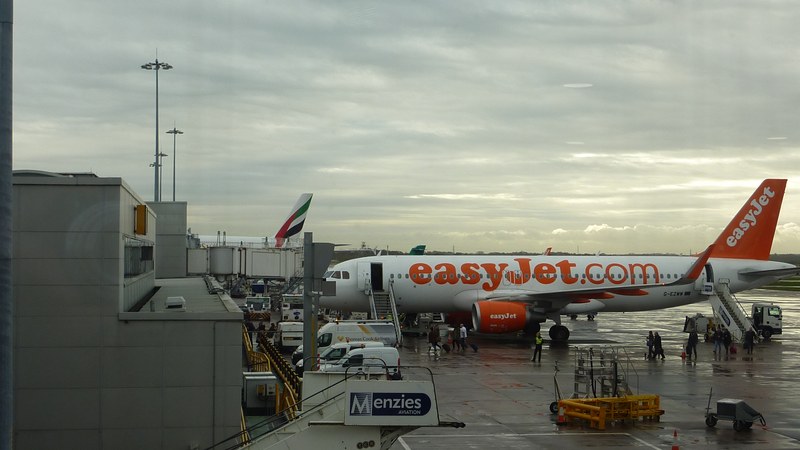
Reports have noted instances of passengers stranded in airport terminals amid these cancellations and delays. The situation has placed pressure on airport operations and airline customer service teams aiming to manage the growing volume of affected travelers. Both Tokyo and Dubai airports remain operational, but delays continue to challenge normal transit procedures.
Context of Asia to Middle East Air Travel
The route between Tokyo and Dubai is a strategic segment connecting East Asia with the Middle East and beyond. It supports a steady flow of international tourists, expatriates, and business travelers. Recent months have seen increased volatility in flight schedules across international
hubs, influenced by a combination of regulatory updates, staffing issues, and fluctuating travel demand.
Significance of Tokyo and Dubai Airports
Tokyo’s airports are major gateways for travelers to Japan and the broader Asia region, while Dubai International Airport serves as a pivotal Middle Eastern hub connecting to Africa, Europe, and South Asia. Disruptions on this route not only affect direct travelers but also impact broader network connections through these airports.
Advice for Travelers on the Tokyo-Dubai Corridor
Travelers should expect potential changes and plan accordingly:
Monitor airline communications and airport advisories regularly. Allow additional time for connecting flights and airport processes. Consider flexible ticketing options to accommodate delays or cancellations.
Staying informed and
preparing for possible schedule adjustments can mitigate some of the inconvenience caused by the current disruptions.
Looking Ahead
While specific causes behind the ongoing flight disruptions have not been clearly detailed in public reports, it remains important for stakeholders in the travel and airline industry to work toward stabilizing this crucial international air corridor. Passengers and travel professionals alike will be closely watching developments and updates from carriers and airport authorities in the coming days.
Image: Tea by ys* via flickr, by-sa