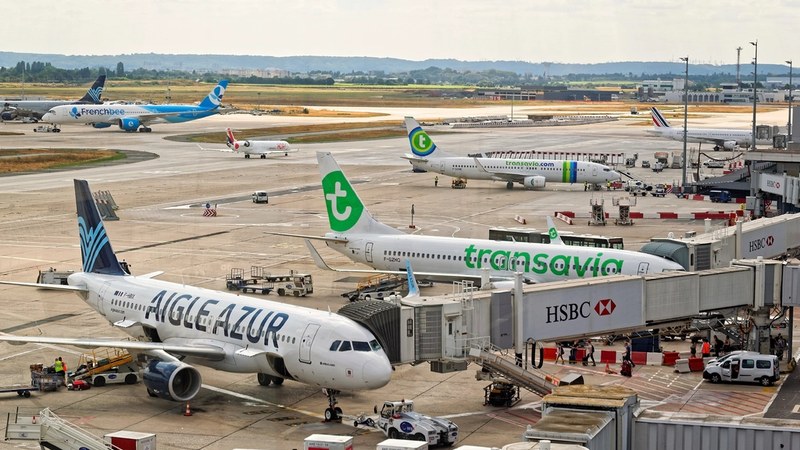
Paris Charles de Gaulle and Orly airports experienced a surge of delays and cancellations on August 27, 2026, resulting in approximately 3,618 delayed flights and 159 cancellations. These disruptions triggered widespread knock-on effects across a dozen European airports, including key hubs such as Frankfurt, Amsterdam, Bologna, and Mediterranean leisure destinations.
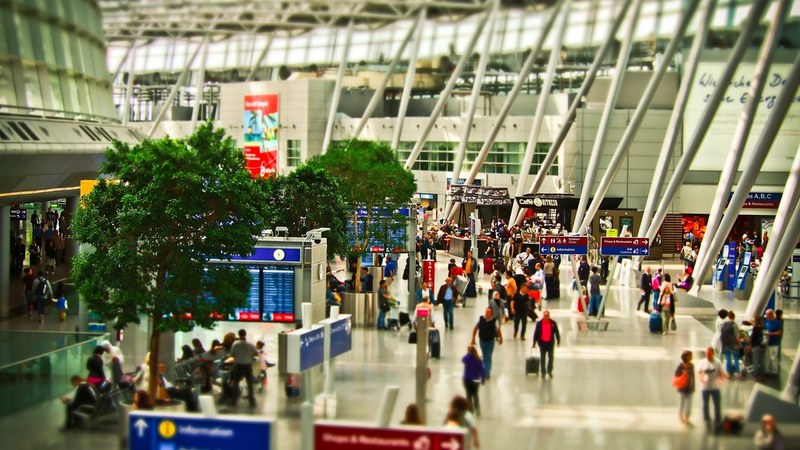
Departure and arrival screens at Charles de Gaulle and Orly during the afternoon peak on August 27 showed multiple flights delayed by several hours or cancelled entirely. Passenger compensation platforms reported an increased volume of cancellations and significant late departures originating specifically from the Paris airports, confirming the operational challenges
faced throughout the day.
Secondary and regional airports reported that delays at Paris propagated through subsequent flight rotations, with aircraft and crew out of position at destinations like Frankfurt, Bologna, and various Mediterranean cities. This ripple effect exacerbated congestion and prolonged turnaround times, hampering departure punctuality across the network.
Air Traffic Control Constraints and Peak Traffic Levels
According to Eurocontrol data, Europe’s airspace handled on average more than 36,000 daily flights in late July and early August 2026. Air traffic control capacity constraints in France, Spain, and Greece emerged as significant contributors to en route delays during this period. France remains a key hotspot for delay minutes, intensifying
the impact when local operational pressures or weather-related flow restrictions occur.
Eurocontrol’s seasonal analysis identifies en route air traffic control limitations, weather-induced flow restrictions, and reactionary delays from late-arriving aircraft as primary drivers of the recent disruptions. While technical problems, crew shortages, and industrial action historically account for cancellations, the specific reasons behind the August 27 events were not detailed.
Traveler Impact and Compensation Rights
Thousands of passengers were affected on August 27 by missed connections and extended terminal waiting times at Paris airports. Long-haul flights departing Charles de Gaulle and short- to medium-haul routes at Orly experienced significant delays and cancellations. EU passenger rights
entitle travelers to compensation or assistance for cancellations and substantial delays under certain conditions, depending on notice and disruption cause.
The high load factors during the late summer period leave minimal spare capacity to rebook disrupted passengers, complicating recovery efforts for airlines. Airlines reported operational responses including aircraft substitutions, flight consolidations, and rescheduling some services to off-peak hours to manage the disruptions.
Network Stability and Future Risk
Eurocontrol’s mid-August weekly network updates described the situation as relatively stable but noted ongoing congestion in certain sectors and key hubs like Paris. The rolling seasonal plan warns that capacity constraints in French and adjacent airspace continue to
pose disruption risks through August and September.
Network managers highlight the rapid propagation of delays from Paris through Europe’s interconnected airspace and airports. Travelers on upcoming routes through Paris and other major hubs face a continued risk of disruption due to limited air traffic control capacity and staffing challenges.
Operational Challenges and Planning
Operational dashboards for Paris airports on August 27 revealed prolonged turnaround times consistent with reactionary delays caused by late arrivals. Ground handling, catering, and fueling teams faced increased pressure, with limited ramp staffing contributing to slower departures.
Reviewing this disruption episode will inform adjustments to capacity planning, air traffic management, and
staffing strategies across affected hubs. Despite improvements in delay management over recent summers, tight margins persist amid high summer travel volumes and infrastructure limitations.