Flight Delays and Cancellations Surge Across Major US Airports
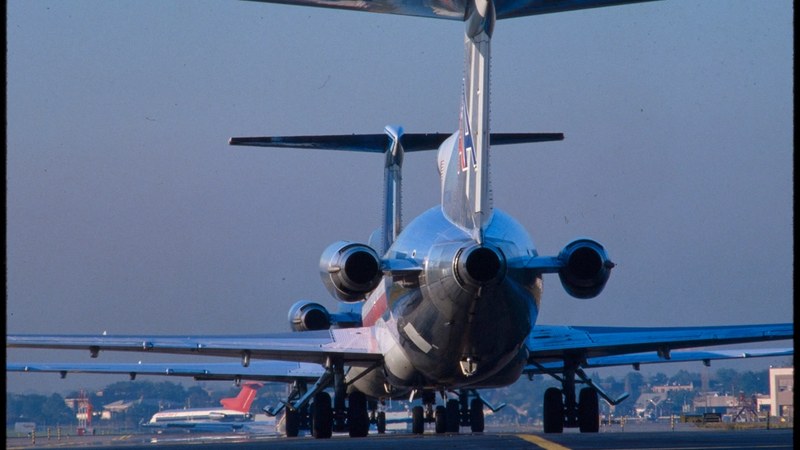
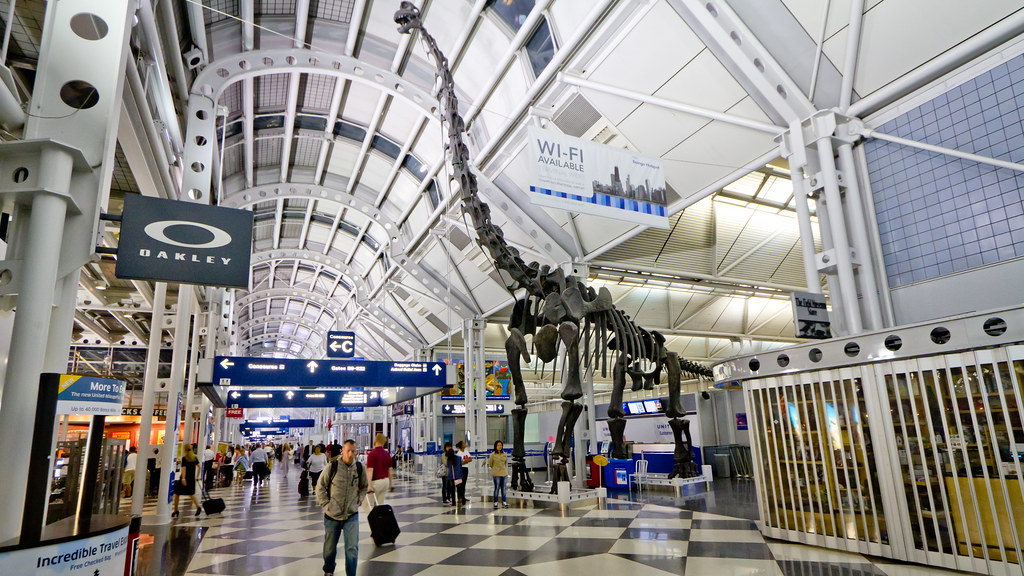
As the summer 2026 travel season ramps up, U.S. airports including Chicago O’Hare, Atlanta Hartsfield-Jackson, and Los Angeles International have reported unprecedented levels of flight delays and cancellations. Industry observers note that this spike represents some of the highest levels of disruption seen in over a decade. These developments are fueling heightened concerns among travelers planning vacations and business trips amid ongoing operational challenges within the airline sector.
Data from recent reports confirm thousands of flights across multiple major U.S. cities have experienced delays or cancellations. Specifically, Chicago O’Hare, Atlanta, and Los Angeles are among the heaviest impacted hubs, routinely
affected by the ongoing ripple effects disrupting airline schedules nationwide.
Underlying Factors Driving Airline Travel Disruptions
The resurgence in airline travel following pandemic-related downturns has placed pressure on airport and airline infrastructures. Additionally, Federal Aviation Administration (FAA) restrictions have at times contributed to capacity constraints, directly affecting departure and arrival flows at some of the busiest American airports.
While internal scheduling decisions by individual airlines are not publicly detailed, a combination of workforce shortages, air traffic management limitations, and heightened passenger volumes are understood to be playing roles. These elements collectively contribute to the current operational stress, manifesting as widespread disruption.
Traveler Implications During the Summer 2026 Peak
For travelers, these delays and
cancellations translate into longer wait times, uncertainty around timely departures, and potential flight strandings. Those intending to travel through affected airports should anticipate changes and prepare accordingly to mitigate inconvenience.
Some practical steps travelers might consider include:
Monitoring flight status continuously before and during travel Arriving at airports well ahead of scheduled departure times Exploring flexible ticket options and travel insurance policies Having alternative travel plans in case of missed connections or cancellations
What To Watch and Plan For Next
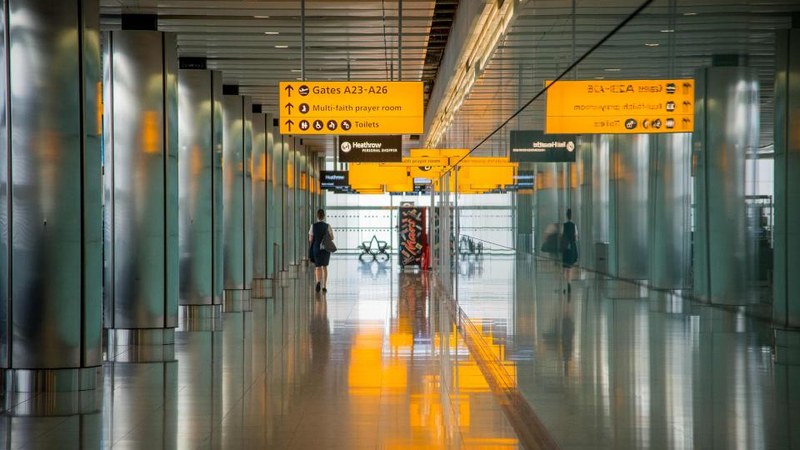
U.S. travelers preparing for summer 2026 vacations or business trips are advised to stay updated on official airport and airline communications. Checking the latest FAA advisories and airport-specific operational reports can provide crucial insights
into potential delays and traffic patterns.
Additionally, monitoring departure boards, utilizing airline mobile apps, and subscribing to notification services can help mitigate unexpected disruptions. Being proactive with flexible scheduling and contingency planning remains essential amid the current evolving travel landscape.
While exact forecasts for future cancellations remain unavailable, the trend underscores the need for vigilance as summer travel demand intensifies across major U.S. hubs.
Operational Adjustments and Industry Outlook
Industry stakeholders, including airport authorities and airlines, are reportedly adjusting staffing and resource allocations to better manage the surge in passenger volumes and regulatory constraints. However, systemic challenges persist, requiring ongoing coordination with the FAA to
optimize traffic flow and safety protocols.
Travelers are urged to remain patient and informed throughout this period of heightened operational stress. Proactive communication, early check-ins, and flexible travel arrangements can help reduce the impact of disruptions on individual itineraries.
In summary, the summer 2026 travel season in the U.S. faces significant challenges due to record-high delays and cancellations at key airports. Travelers should anticipate these disturbances and plan widely to ensure smooth travel experiences despite the ongoing disruptions.