Flight Disruptions Surge at Chicago O’Hare and Nationwide
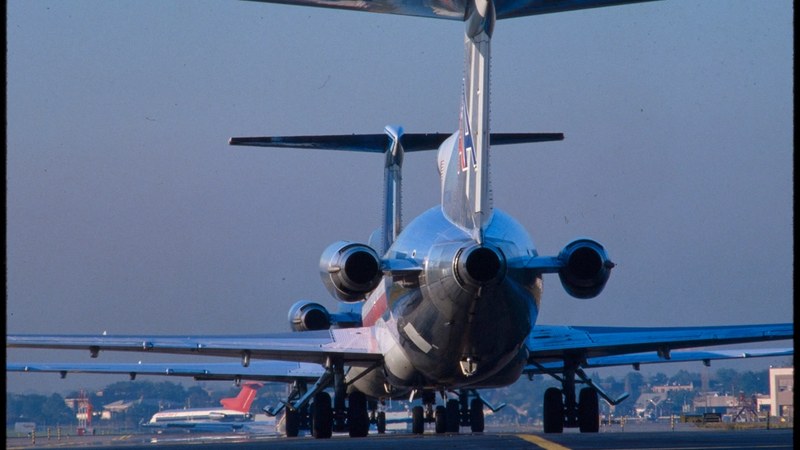
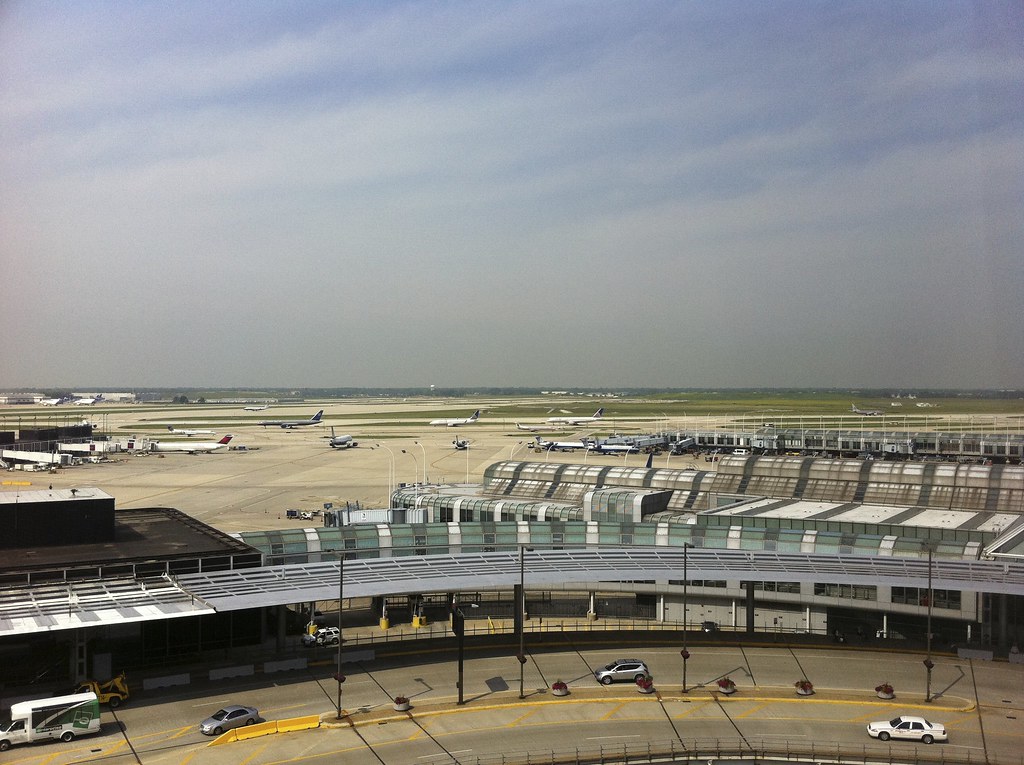
Travelers through Chicago O’Hare International Airport have encountered significant flight cancellations and delays, which have extended across numerous major US airports. These interruptions are notably affecting key carriers including American Airlines, Delta Air Lines, and United Airlines, leading to extensive operational challenges.
Over 200 delayed flights and several cancellations at Chicago O’Hare alone have contributed to a widespread ripple effect throughout the domestic air travel system. The disruption is not limited to Chicago; other major hubs such as Atlanta, Los Angeles, and Seattle have experienced thousands of delays and dozens of cancellations, underscoring the scale of the impact on air
travel across the country.
Impact on Major Airlines and Route Operations
American Airlines, Delta Air Lines, and United Airlines — all major operators using Chicago O’Hare as a central hub — have reported considerable service interruptions. These disruptions have primarily affected reliability on both domestic and international routes, contributing to operational bottlenecks at one of the nation’s busiest airports.
United Airlines, with a significant presence at O’Hare, has been managing delays that affect passenger itineraries and can cascade through their interconnected network. Similarly, American and Delta routes are facing knock-on delays and cancellations that challenge both airline operational continuity and passenger planning.
Traveler Experience and Potential Complications
Passengers traveling through affected airports
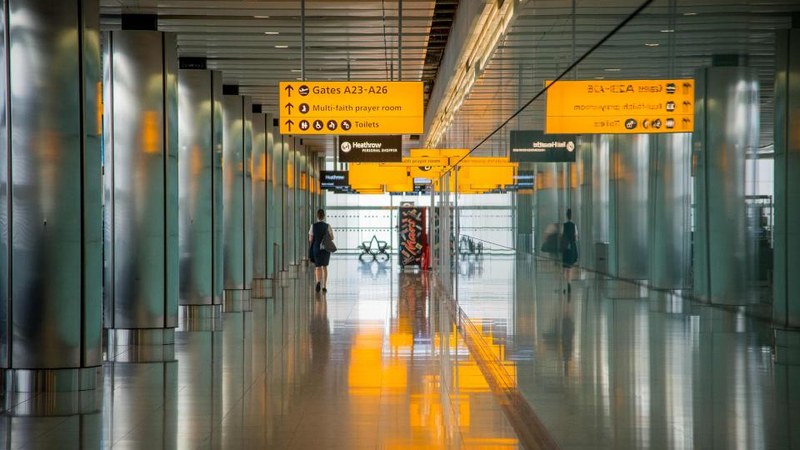
face the potential for extended layovers, missed connections, and necessary changes to travel arrangements. Crowded terminals, longer wait times for customer service, and uncertainty regarding flight status are among the tangible impacts reported by travelers.
Due to the complexity and volume of disruptions, travelers should monitor their flight status closely and consider the possibility of rebooking or adjusting plans. Arriving earlier than usual for departure and preparing for unexpected schedule shifts can help mitigate some of the inconvenience.
Guidance for Travelers Navigating Disruptions
Given the scale of flight cancellations and delays at Chicago O’Hare and other key US airports, travelers are advised to take several
precautionary steps. Staying updated through airline communication channels and airport flight information displays is essential. Many airlines also offer mobile app notifications and customer service lines to assist with real-time information.
Flexibility in travel plans may be necessary, and passengers are encouraged to explore alternate connections or dates where possible. Those with tight itineraries or connecting flights should be prepared for potential adjustments and seek assistance early if disruptions occur.
While the precise causes of widespread delays remain broadly attributed to conditions affecting US airports generally, unpredictable operational factors continue to challenge the efficiency of flight schedules across the network.
Travelers impacted by these disruptions at major hubs, particularly Chicago O’Hare, should remain vigilant and proactive in managing their itineraries to reduce stress and adapt to evolving travel conditions.