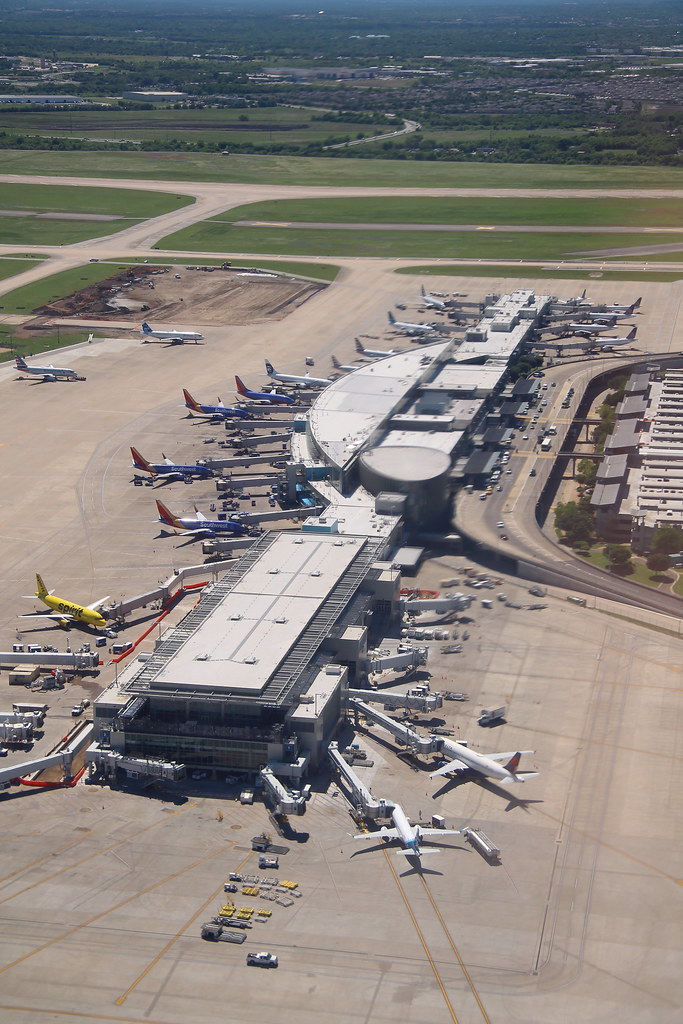
Widespread Flight Delays Impact Multiple U.S. Airports
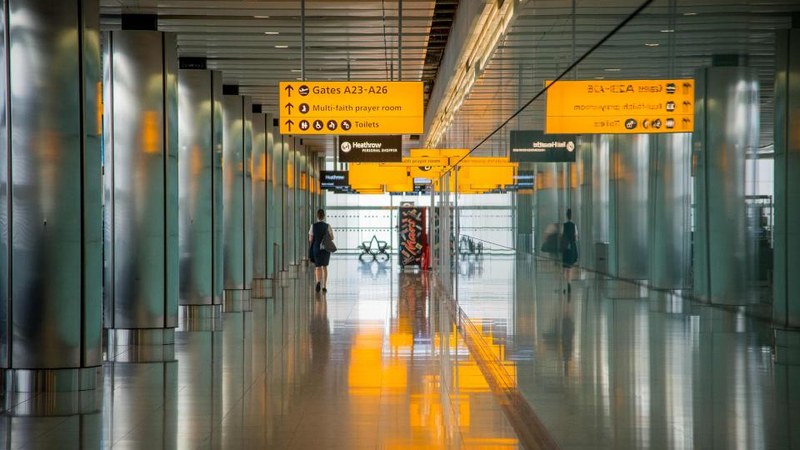
Recent weeks have seen a surge in flight delays and cancellations across several major U.S. airports, with Austin-Bergstrom International Airport emerging as a notable hub of disruptions. Key carriers such as Southwest, United, American, and Delta have all reported significant operational setbacks at Austin’s primary airport. These delays have not been isolated, also affecting other major cities including Dallas, Chicago, and Denver.
Technology and Coordination Shortfalls Under Scrutiny
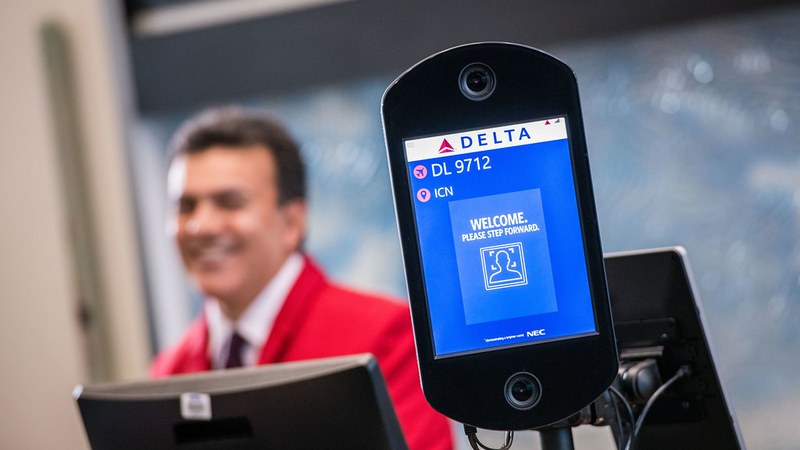
The spate of disruptions has cast a spotlight on the technological frameworks and operational coordination that underpin airline scheduling and airport management. Despite advancements in digital tracking and scheduling tools, the persistence of delays suggests challenges remain in
system integration and real-time responsiveness. These stress points within airline IT systems and airport infrastructure highlight potential vulnerabilities in managing high traffic volumes and weather or security-related contingencies.
Operational Complexity Amid Growing Passenger Volumes
Airlines and airports are consistently tasked with balancing increased passenger numbers and tighter schedules. Austin-Bergstrom and other affected airports handle significant daily flight volumes, stretching already complex operational mechanisms. Factors such as gate availability, air traffic control constraints, and staffing levels interplay to impact overall punctuality. Identifying these pressure points is key to understanding the recurring flight disruptions witnessed recently.
Effects on American Travelers and Travel Plans
For travelers navigating the U.S. air transport network, these delays heighten the
risk of missed connections, extended layovers, and rapidly changing itineraries. Passengers at Austin-Bergstrom and other impacted airports have faced challenges ranging from last-minute schedule adjustments to cancellations. These disruptions contribute to broader travel anxiety and logistical complications, emphasizing the need for heightened vigilance and flexibility when planning journeys amid current conditions.
Broader Industry Ramifications for Airlines and Airports
The ripple effects of operational delays extend beyond individual travelers, influencing broader airline and airport business dynamics. Persistent disruptions can affect customer satisfaction, airline reputations, and operational costs linked to crew scheduling and asset utilization. Airports like Austin-Bergstrom may also reassess resource allocation and collaboration frameworks with airline partners
to enhance contingency response capabilities. Addressing systemic vulnerabilities is crucial to ensuring service reliability and sustaining growth in a competitive travel market.
Navigating Uncertainty Without Clear Cause Disclosure
While the causes of recent delays have not been fully disclosed, avoiding speculation is critical. Industry stakeholders are focusing on observed technology and operational gaps rather than internal airline specifics. This approach allows for constructive dialogue on industry-wide improvements, emphasizing shared responsibility across carriers and airport management to mitigate delays and improve traveler experiences.
Overall, the recent flight delays at Austin-Bergstrom and other major U.S. airports underline ongoing challenges in harmonizing airline technology systems, operational planning, and on-the-ground
airport logistics. These events reinforce the importance of continuous investment in infrastructure and digital capabilities to support the evolving demands of modern air travel.