Widespread Disruptions Strike Major U.S. Airports
Several prominent U.S. airport hubs including San Antonio, Columbus, and Denver have experienced notable flight delays and cancellations in 2026. Travelers across these locations have faced unexpected itinerary changes, increasing travel uncertainty during what is typically a busy period in the aviation industry.
The operational challenges at these facilities have garnered attention as disruptions continue to affect passenger flow and airline scheduling. These events underscore ongoing vulnerabilities within airline technology systems that remain unresolved months into the year.
Airline Technology Failures Identified as Key Factor
Industry observers and analysts have pointed to persistent airline technology failures as a central cause behind these travel interruptions. Critical infrastructure components
managing scheduling, dispatch, and passenger information have exhibited faults leading to cascading delays across multiple carriers.
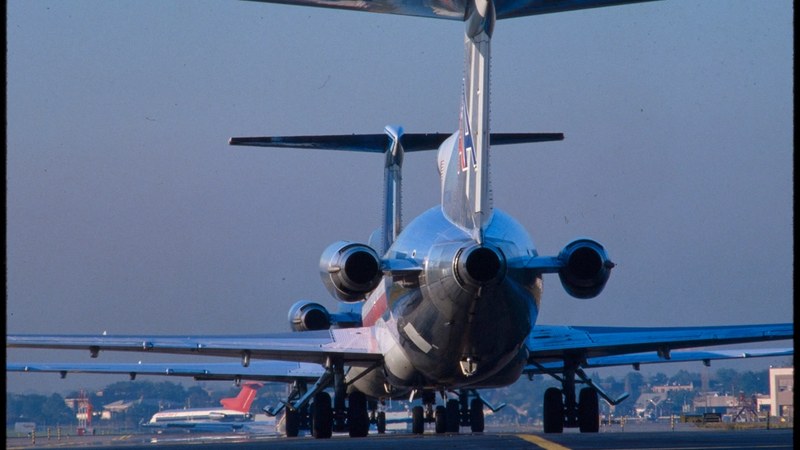
American Airlines, one of the nation’s largest carriers, has been significantly impacted by these technological setbacks, contributing to the elevated frequency of flight cancellations and delays. Though airlines continue to invest in system upgrades, these incidents reveal that substantial operational risks remain embedded within the current technology environments.
Impact on American Travelers and Airports
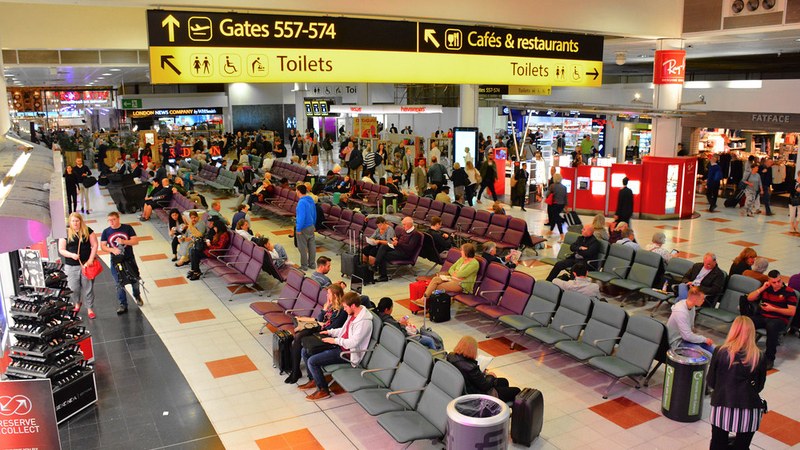
For American travelers, these airline technology shortcomings translate into longer wait times, missed connections, and last-minute adjustments to travel plans. Airports experiencing these disruptions have reported congested terminals and increased passenger inquiries as travelers seek alternatives
or further information.
These challenges also place additional pressure on airport staff and customer service teams, who are tasked with managing both the technical disturbances and the passenger service implications. The ripple effects extend beyond individual flights to create a broader climate of uncertainty affecting travel confidence throughout the affected regions.
Practical Guidance for Travelers Amid Ongoing Disruptions
Given the continuing technology-related interruptions, travelers planning flights through major U.S. airports are advised to take several precautionary steps. Monitoring airline notifications regularly ahead of departure and allowing for extended connection times can help mitigate some impact.
It is also advisable for passengers to stay updated via official airline
communication channels and airport information systems to receive timely alerts about potential changes. For those with flexible travel dates, considering alternate airports or routes where possible may provide more reliable options during periods of intensified disruptions.
While airlines and airports work toward resolving the underlying technology issues, awareness and preparedness can assist passengers in adapting to the current operational environment.
The persistence of these airline technology failures highlights the critical need for continued focus on infrastructure resilience. As the industry progresses through 2026, travel disruptions at key U.S. hubs serve as an important reminder of the complexities involved in modern
air travel management.