Anticipated Tourism Upswing for USA and Canada in 2026
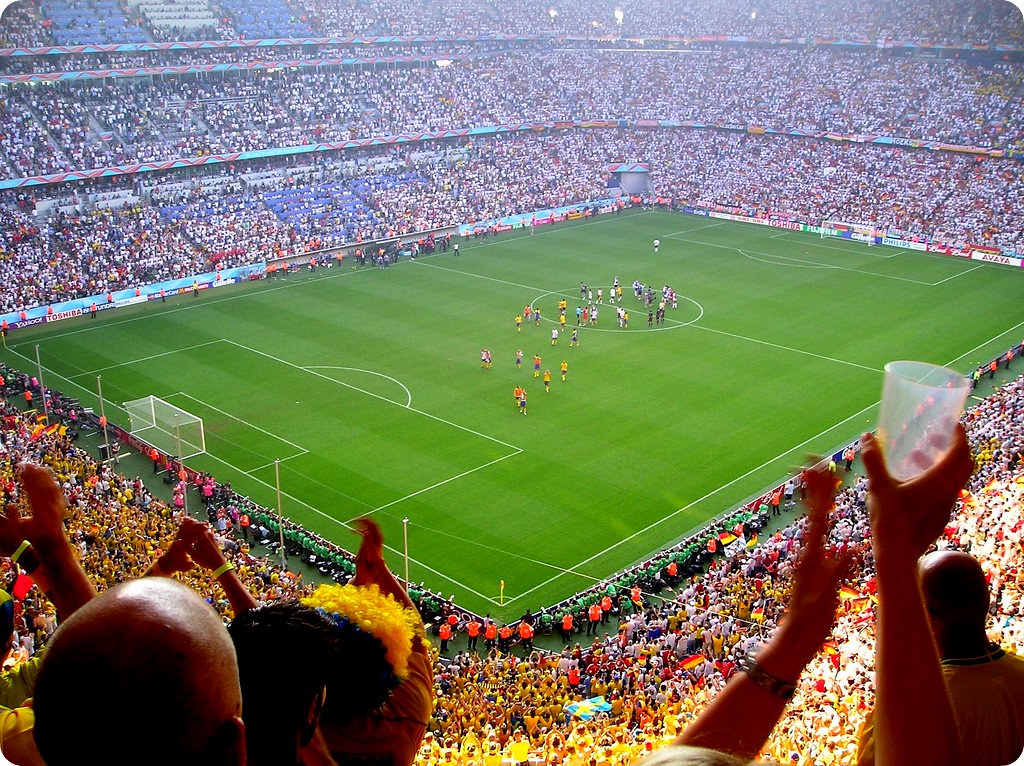
The co-hosting of the FIFA World Cup 2026 by the United States and Canada is poised to generate a major travel surge that will reverberate across the North American tourism sector. This global sporting event is attracting attention not only from soccer fans worldwide but also from businesses and regional tourism boards preparing for an influx of visitors over the summer months of 2026. Local economies near the host cities anticipate a notable increase in tourism volumes, with demand extending beyond the tournament venues.
Further amplifying this effect are major concurrent cultural celebrations such as the milestone America250 event commemorating
the 250th anniversary of the United States, and the centennial celebrations surrounding historic Route 66. Together, these events are expected to reshape visitor demand patterns, creating a uniquely layered travel environment in the USA and Canada.
Synergistic Impact of Sports and Cultural Events on Traveler Demand
The overlapping timing of the FIFA World Cup 2026 with major national celebrations offers a dynamic combination driving the tourism uplift. FIFA World Cup matches scheduled across multiple cities will bring international and domestic visitors to areas that also host America250 and Route 66 activities. This clustering of events encourages extended stays and multi-destination travel, benefiting airlines, hotels, and local attractions.
Route 66’s centennial
events spotlight the iconic American highway, attracting road trip enthusiasts and history buffs alike. Such celebrations are positioned to complement the sports-driven travel, with visitors exploring cultural heritage and Americana during or after attending matches. Similarly, America250 events scheduled for summer 2026 aim to promote regional sites and activities across the United States, harnessing national pride and visitor curiosity in tandem with the global spotlight on the World Cup.
Practical Considerations for Travelers and Industry Stakeholders
American travelers planning to engage with any part of the 2026 summer calendar should consider the elevated demand impacting transportation, accommodations, and entertainment venues. Hotels near World Cup host cities and
event locations associated with America250 and Route 66 festivities are likely to experience high occupancy rates. Early booking is advisable to secure accommodations at reasonable prices and optimal locations.
Travelers may also encounter congestion in key metropolitan areas, particularly around stadiums and popular cultural venues. Strategic itinerary planning and flexibility will be crucial for mitigating delays and ensuring a smooth experience. Tourism operators and service providers should prepare for surges in customer volumes to maintain quality and capitalize on commercial opportunities.
Why the 2026 Travel Surge Matters for North American Tourism
The expected travel surge in 2026 highlights significant opportunities for regional economies to benefit from heightened international exposure and
domestic engagement. The intersection of an internationally renowned sporting event with landmark cultural celebrations represents a rare alignment that can drive sustained tourism growth beyond the event window.
For tourism businesses, this convergence offers chances to diversify offerings, attract new customer segments, and bolster brand appeal on a global scale. It also underscores the importance of coordinated planning and investment by public and private sectors to maximize the impacts of major events and preserve destination appeal post-2026.
Preparing for a Transformative 2026 Tourism Season
As the United States and Canada prepare to welcome visitors for the FIFA World Cup 2026 alongside America250 and Route 66 commemorations, the
travel landscape is expected to evolve substantially. The combination of sporting excitement and cultural heritage celebrations could redefine seasonal travel patterns and visitor experiences across North America.
Stakeholders throughout the tourism value chain should continue monitoring developments closely and adapt strategies to capitalize on this unique moment. Travelers are advised to plan early and stay informed about event schedules and regional travel advisories to navigate the busy summer tourism period effectively.