Anticipated Travel Growth in the U.S. and Canada Around FIFA World Cup 2026
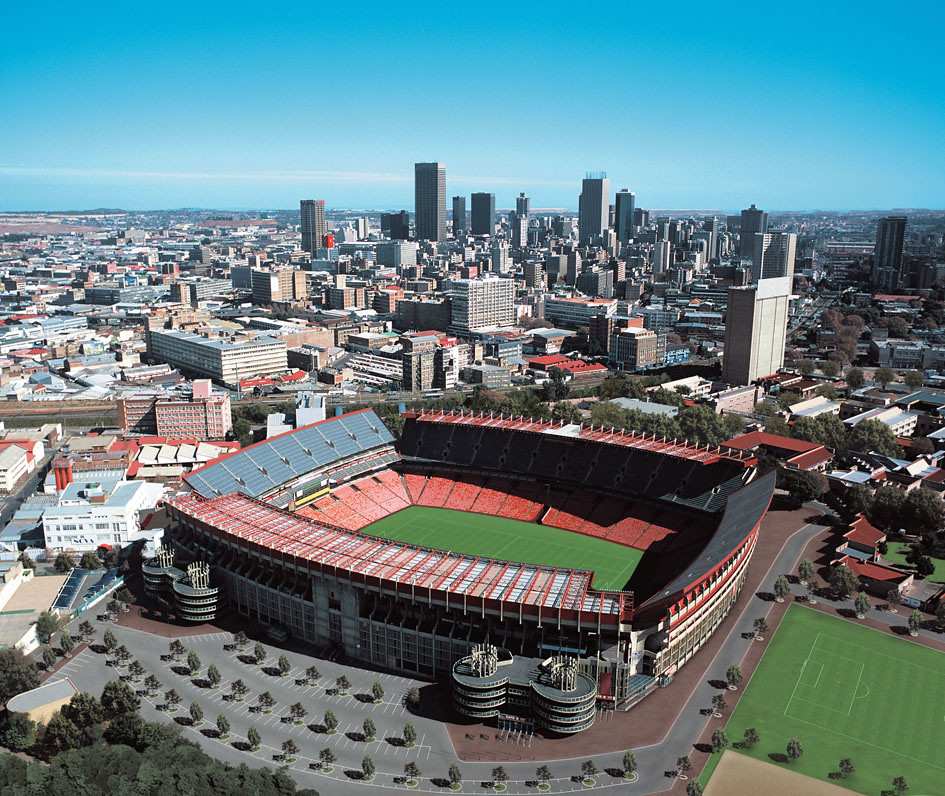
The upcoming FIFA World Cup 2026, co-hosted by the United States, Canada, and Mexico, is expected to catalyze a significant uptick in tourism demand across North America. Both the U.S. and Canada are preparing for heightened travel activity as football fans and tourists flock to host cities to participate in the event’s excitement. This increased interest is anticipated to extend beyond just stadiums, with hospitality sectors bracing for high accommodation bookings and transportation networks preparing for surges in ridership.
Travel industry observers note the event’s potential to elevate international and domestic tourism substantially, benefiting major metropolitan areas as well as
secondary destinations connected to World Cup venues.
Complementary Attractions: Route 66 and America250 Events Reshape Visitor Demand
Alongside World Cup festivities, cultural initiatives such as the Route 66 celebrations and America250 — marking 250 years since the founding of the United States — are projected to reshape tourism dynamics. These events are poised to attract visitors interested in heritage, road trips, and national history, amplifying overall travel interest in the region.
Route 66, known as the “Main Street of America,” is experiencing a resurgence in events along its historic route. This anniversary and accompanying activities offer an appealing complement for travelers eager to explore iconic American landscapes and history during
their World Cup-related travels.
What Travelers Should Monitor: Planning Amid Surging Demand
Given the convergence of these events, travelers planning to visit for the FIFA World Cup and related celebrations are advised to plan early. Expect accommodation rates and travel costs to increase in affected cities, with heightened competition for lodging and event access.
Booking accommodations and flights well in advance can help mitigate elevated prices. Anticipate crowded venues and public transport systems; early arrival for events is recommended. Exploring complementary regional attractions such as Route 66 can diversify travel itineraries and ease congestion near stadiums.
Tourism Industry Adaptation: Preparing for a Post-Pandemic Travel Boom
The tourism industry across the U.S. and Canada is adapting infrastructure and
services to accommodate the expected inflow of visitors. Hospitality providers are enhancing offerings, while transportation and city services are coordinating to manage large crowds. These efforts contribute to reshaping the North American travel landscape in response to both the FIFA World Cup and cultural anniversaries.
This phase represents a critical opportunity for destinations to captivate international audiences and showcase diverse attractions beyond the soccer venues, fostering longer visitor stays and broader tourism revitalization.
Final Travel Tips for a Dynamic Tourism Season
For travelers targeting the FIFA World Cup 2026 and concurrent cultural events, a proactive travel approach is essential. Early planning will facilitate smoother experiences amid heightened demand.
Diversifying itineraries to include Route 66 and other local offerings can enrich visits and provide respite from busy event hubs.
Staying informed through official tourism channels and monitoring updates about accommodations and event access will help visitors navigate this evolving travel landscape effectively.