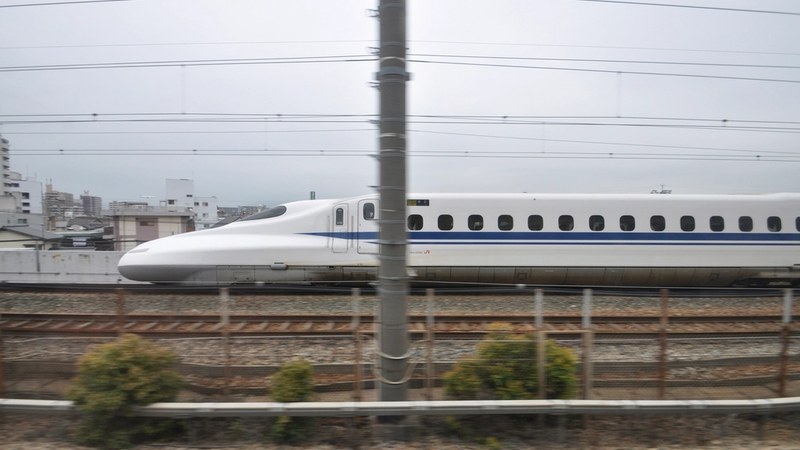
The Trump administration cut $4 billion in federal funding for California’s high-speed rail project in July 2025, citing the state’s failure to lay any high-speed rail track after spending $15 billion over 16 years.
Trainset procurement deadlines were critical milestones tied to federal funding compliance. California missed the original federal deadline of December 31, 2024, to award a train contract and failed to meet a revised December 1, 2025 deadline it promised in court. The state filed a lawsuit to halt the funding cut but quietly dropped it two days before Christmas 2025 without public explanation.
Project Background and Route
The high-speed rail initiative
was approved by California voters in 2008 to connect San Francisco and Los Angeles with electric trains reaching speeds up to 220 mph, cutting the current 10.5 to 12-hour trip to under three hours. The project scope is now limited to a 171-mile Central Valley segment between Merced and Bakersfield, chosen for easier construction with no tunnels.
Passenger service was initially projected to begin in 2033. The 2025 Supplemental Project Update Report shifted the opening date to January 1, 2032.
Leadership, Contract Delays, and Procurement Issues
High-Speed Rail CEO Ian Choudri, appointed in 2024, made a decision to change the trainset specifications during the procurement phase,
contributing to contract delays. In August 2023, the authority’s board, led by Chair Tom Richards, stressed the importance of awarding a manufacturer contract in 2024 to meet federal grant timelines.
Board members expressed concern about the changing train design possibly requiring cancellation or rewriting of procurement specifications. Despite these warnings, the authority missed both procurement deadlines.
Current Infrastructure Status and Project Commitments
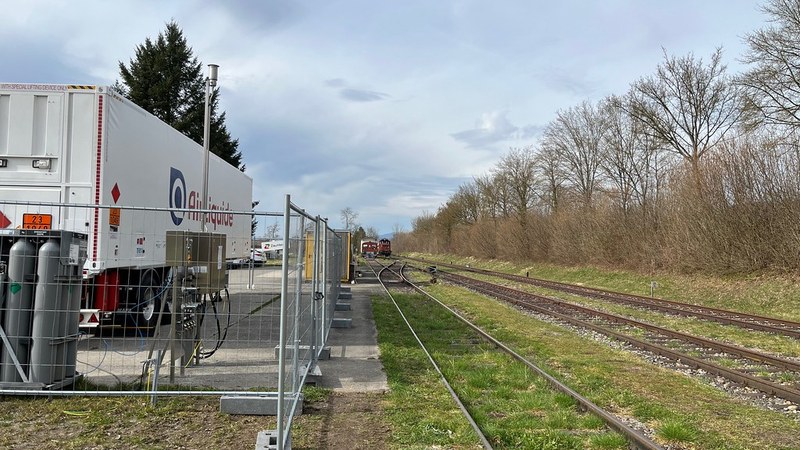
As of mid-2026, California had not laid any high-speed rail track. Only a railhead logistics depot exists, intended for staging materials. High-Speed Rail Inspector General Ben Belnap confirmed that no operational high-speed track has been laid.
The authority approved a construction team in June
2026 and committed to begin laying track by the end of that year. However, the 2026 business plan omitted trainset procurement schedules, raising accountability concerns due to the importance of timely train deliveries for testing and certification.
Impacts on Delivery Timelines and Oversight
Originally, the procurement plan anticipated two prototype trains by 2028 for testing and four additional trains by the end of 2030 for passenger use. The four-year lead time between contract signing and train readiness means delays compress testing periods and jeopardize the 2032–2033 service start.
The Federal Railroad Administration’s June 2025 compliance review cited “unrealistic assumptions,” including train procurement schedules, and found “no
viable path” to meeting the segment completion by 2033. The U.S. Senate Commerce Committee also cited missed deadlines and mismanagement.
Transportation Secretary Sean Duffy stated, “federal dollars are not a blank check — they come with a promise to deliver results.” Governor Gavin Newsom called the funding cut a “political stunt to punish California.” Attorney General Rob Bonta, after suing to stop the funding cut, later said, “It was appropriate for us to pull the lawsuit.” High-Speed Rail Board Chair Tom Richards had emphasized in 2023 that timely train contracts were “critical” to meeting federal grant timelines.