On September 21, 2026, construction contractors working on a rail project in New Jersey accidentally severed a Verizon fiber-optic backup cable used by the Federal Aviation Administration (FAA) for air traffic control data. The cable cut caused an equipment outage at the Philadelphia Terminal Radar Approach Control (TRACON) facility, disrupting communications essential for managing flights into Newark Liberty International Airport, Philadelphia International Airport, and Teterboro Airport.
Ground Stops and Flight Cancellations at Newark, Philadelphia, and Teterboro
In response to the outage, the FAA imposed ground stops on flights destined for Newark, Philadelphia, and Teterboro airports starting around 10:00 a.m. Ground stops remained in effect at Newark at least until 1:45
p.m. Flight cancellations and delays escalated significantly: by 6 p.m., more than 600 flights scheduled for Newark had been canceled and close to 100 delayed. Philadelphia experienced over 200 cancellations and more than 400 delays. Operations at Teterboro were also affected, with flights grounded or rerouted due to the communication failure.
Delays, Diversions, and Affected Airlines
Flight delays at Newark extended to a maximum of 150 minutes, with departure delays averaging up to 124 minutes around midday and arrival delays around 49 minutes. More than 100 Newark-bound flights, including several international services from countries such as Iceland, Egypt, Greece, Spain, and France, were diverted to
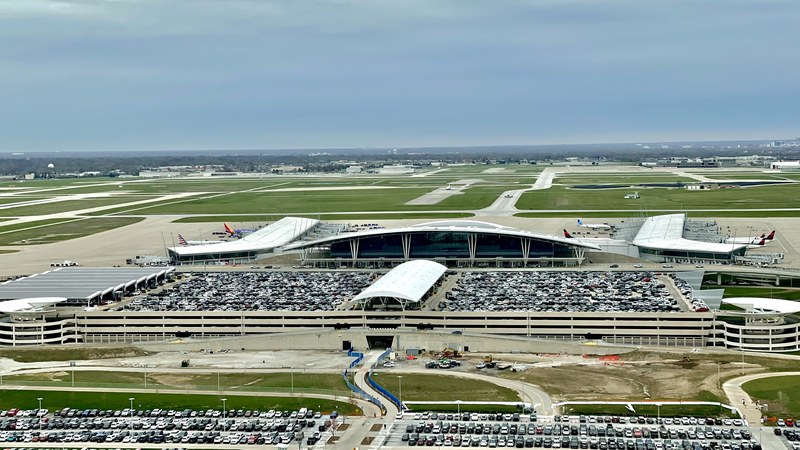
alternate US airports like Detroit Metropolitan Wayne County and Washington Dulles International. Airlines with major operations at Newark and Philadelphia hubs were impacted: United Airlines at Newark and American Airlines at Philadelphia. United waived flight change fees for affected customers and offered additional pay incentives to staff working at Newark to manage the disruption. American Airlines similarly waived change fees and permitted customers to use other nearby airports.
Official Statements and Investigations
FAA Administrator Bryan Bedford explained the outage began with a circuit failure, and when the system switched to the backup fiber feed, it was discovered that the backup cable had been broken.
NJ Transit confirmed that a construction crew working on a rail project between New Brunswick and North Brunswick, New Jersey, accidentally severed the fiber-optic cable approximately ten feet from utility markings. Verizon stated its facilities were fully functional before the cable damage and said it bears no responsibility for the incident. Verizon deployed technicians immediately to repair the damage. NJ Transit is conducting an investigation into the utility markings and details of the cable cut. Transportation Secretary Sean Duffy emphasized that the incident demonstrates the need for further investment to modernize aging air traffic infrastructure.
FAA Infrastructure and Timing
The affected Philadelphia TRACON facility
manages approach and departure controls for Newark, Philadelphia, and surrounding airports. The FAA had previously faced telecom-related failures at Newark and Philadelphia TRACON in 2025 and has since invested in fiber-optic links and backup equipment. Current staffing limitations at the Philadelphia TRACON region are expected to persist through the 2027 summer scheduling season. This disruption occurred shortly before the United Nations General Assembly meeting in New York, which brought heightened international air traffic to the area. FAA announced new operating limits at Newark starting October 25, 2026, permitting 72 operations per hour–36 arrivals and 36 departures–to manage capacity and enhance
safety as repairs and equipment upgrades continue.
Airline and Traveler Responses
United Airlines offered fee waivers for affected passengers and extra pay incentives to increase staffing at Newark to clear backlogs. American Airlines also waived flight change fees and allowed travelers to use alternate airports. Passengers were directed to consult airline and FAA National Airspace System status for ongoing flight information updates. Despite repairs underway, further schedule adjustments were anticipated due to aircraft and crew repositioning challenges after extended ground stops.