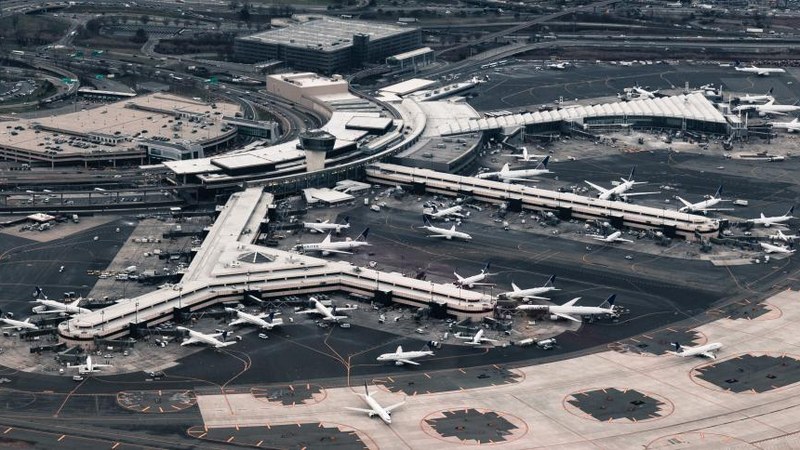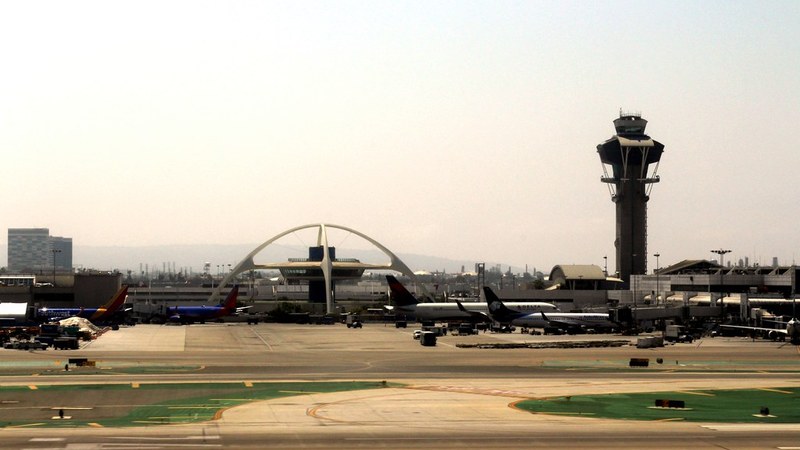
The Federal Aviation Administration (FAA) has enforced ground stops and departure delays for the third consecutive day at a major U.S. airport as of July 26, 2026, prompting the highest concentration of flight cancellations in the country. This ongoing enforcement has made the facility the nation’s single largest source of canceled flights during this period.
Persistent Flight Disruptions and Network Effects
Operational impacts include repeated gating bottlenecks and taxiway congestion as ground delay programs slow departures. The affected airport consistently ranks near the top of national cancellation and delay reports during this multi-day episode. Many flights at the hub operate as through services with shared crews
and aircraft, causing delays or cancellations to cascade across the network. These cascading effects extend to smaller regional and secondary airports connected via feeder routes, triggering widespread timetable unraveling.
Contributing Factors: Weather and Staffing Limits
The immediate causes behind the FAA’s continued ground stops include convective thunderstorms disrupting arrival corridors by forcing aircraft onto longer routes and limiting arrivals. Heavy traffic volume and constraints in airspace management contribute to capacity issues as well. Additionally, persistent staffing shortages at critical air traffic control facilities reduce the airport’s ability to safely manage surges in demand or weather-related reroutings, compelling traffic management initiatives that slow arrivals and departures to
prevent overloaded runways and airspace.
Traveler Impact and Limitations on Service
Travelers at the hub face extensive cancellations and long delays today, with crowded gate areas and extended lines reported on social media. Many flights operate close to full capacity, limiting availability options for passengers seeking alternatives. Extended ground stops also risk crews exceeding regulated duty limits, resulting in late cancellations due to unavailable pilots and flight attendants. Airlines generally cancel regional feeder services first to preserve long-haul operations, reducing options for passengers traveling through smaller airports in the network. U.S. regulations mandate refunds on canceled flights or significant schedule changes if passengers opt not to
travel, but no federal law requires cash compensation for delays. Frequent monitoring of flight status and use of airline mobile apps remain essential for travelers seeking rebooking or alternative routes.
Context and Ongoing Industry Challenges
This summer marks continued vulnerability for major U.S. hubs facing operational breakdowns linked to weather, technology outages, and controller shortages. Although government data indicates overall cancellations at large airports have declined compared to previous years, concentrated disruption at key connecting hubs can still ripple across the national network. Current policy discussions focus on increasing certified air traffic controller staffing, modernizing airspace management technologies, and aligning airline schedules with realistic airport
capacities to reduce the likelihood of prolonged multi-day cancellations originating from a single major airport.