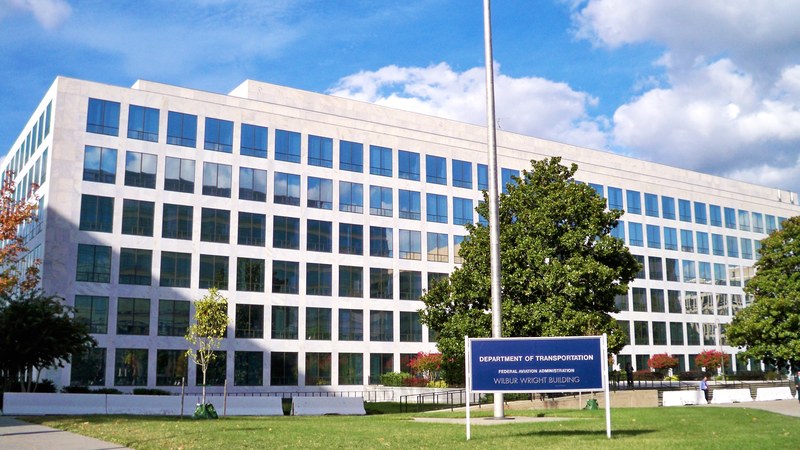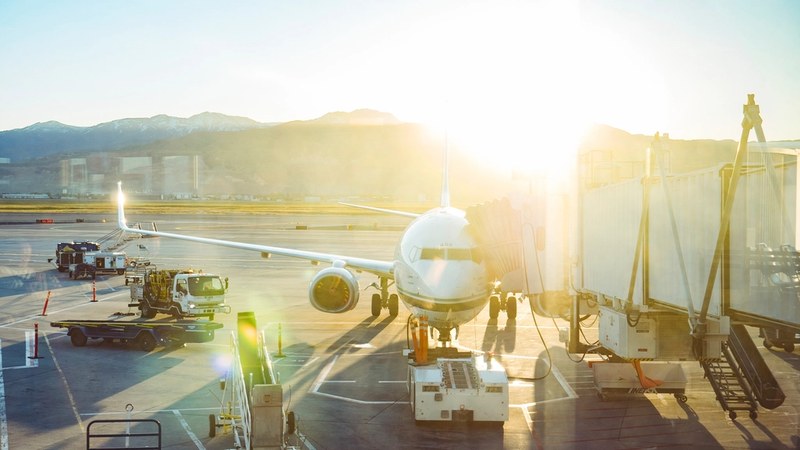
The Federal Aviation Administration (FAA) is enforcing cuts to peak flight schedules and tightening slot allocation rules at several of the most congested US airports starting September 16, 2026. This move aims to improve domestic flight reliability amid ongoing elevated delays.
FAA’s measures require airlines to align published flight timetables with realistic airport and air traffic control capacities. Many airlines had scheduled flights beyond the practical limits of runways, gates, and surrounding airspace, leading to cascading delays caused by ground holds and late arrivals throughout the day.
Chicago O’Hare Cap and United Airlines Schedule Changes
Chicago O’Hare International Airport (ORD) faces a federally imposed daily operations cap of
2,708 flights for the Summer 2026 scheduling period running March 29 to October 24, 2026. This cap reduces the original planned schedule of over 3,080 daily flights. United Airlines responded by removing thousands of departures from its O’Hare summer schedule after the FAA limit was imposed, mainly reducing flights between June and August while maintaining year-over-year growth compared to the previous summer season.
Slot Controls Extended in New York Region
Newark Liberty International Airport (EWR) continues operating under FAA schedule limits extended through October 24, 2026. Concurrently, limited slot usage waivers remain in effect at Washington National Airport (DCA), John F. Kennedy International Airport (JFK), and LaGuardia
Airport (LGA) through that date. These waivers allow airlines to temporarily return slots without penalty, reducing scheduled operations when staffing or operational constraints would otherwise create unreliable schedules.
FAA’s Safety and Delay Reduction Rationale
The FAA frames these scheduling and slot controls as safety and efficiency measures designed to prevent the propagation of delays across the national airspace system caused by hub bottlenecks. When airports and nearby airspace operate beyond capacity, cascading traffic management initiatives such as ground delay programs extend the impact of disruptions far beyond congested airports.
Chronic congestion, limited airspace and runway capacity, and ongoing construction projects contribute to the need for these
federal interventions. Airline growth plans that aggressively exceed infrastructure capabilities have historically resulted in ground holds, missed connections, and subsequent flight cancellations.
Passenger Impact and Continuing Delay Factors
Travelers may experience fewer flight options during peak periods at constrained airports, but these reductions aim to improve the reliability of departures and arrivals. Airlines may adjust flight frequencies and timing, particularly reducing marginal departures to stabilize gate operations and protect connection windows.
Despite these efforts, delays from weather events, mechanical issues, and maintenance supply-chain challenges will continue. Airlines face ongoing difficulties maintaining spare aircraft availability, which increases the risks of scheduling disruptions even under FAA caps.
The
FAA’s policy framework allows for additional scheduling reduction meetings if on-time performance worsens and slot administration rules influence airline strategic decisions regarding slot usage and seasonal schedule planning.
Passengers at strongly impacted airports, including O’Hare and New York metropolitan airports, face tradeoffs between fewer nonstop flight choices and more stable, reliable schedules as a result of these regulatory actions.