On September 21, 2026, a Verizon fiber-optic cable was accidentally severed by construction contractors working on a rail project in New Jersey, triggering a critical Federal Aviation Administration equipment outage that disrupted air traffic control in the Northeast United States.
FAA Ground Stops Affect Newark, Philadelphia, and New York City Airports
The outage impacted the Philadelphia Terminal Radar Approach Control (TRACON) facility, halting flights bound for Newark Liberty International Airport, Philadelphia International Airport, and Teterboro Airport in New Jersey. The disruption later extended to John F. Kennedy International Airport and LaGuardia Airport in New York City, where the FAA imposed temporary ground stops as well.
Flight Cancellations and Delays Exceed Hundreds at Newark and Philadelphia
By 6 p.m. on September 21,
more than 600 flights at Newark were canceled, representing over half of that day’s scheduled departures and arrivals, while nearly 100 additional Newark flights were delayed. Philadelphia faced over 200 cancellations and more than 400 delays. Newark aircraft departures suffered average delays of 105 minutes by late morning, increasing to 124 minutes by noon, with some flights delayed up to 150 minutes. Arrivals at Newark averaged 49 minutes of delay.
Flight Diversions and Airline Responses Amid Disruption
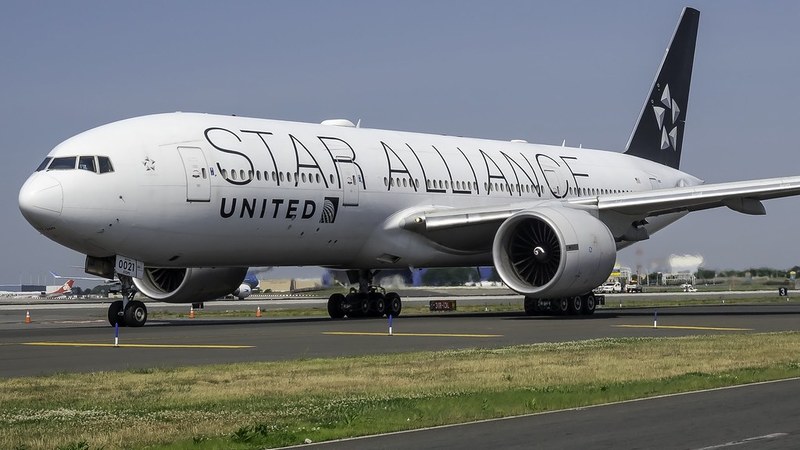
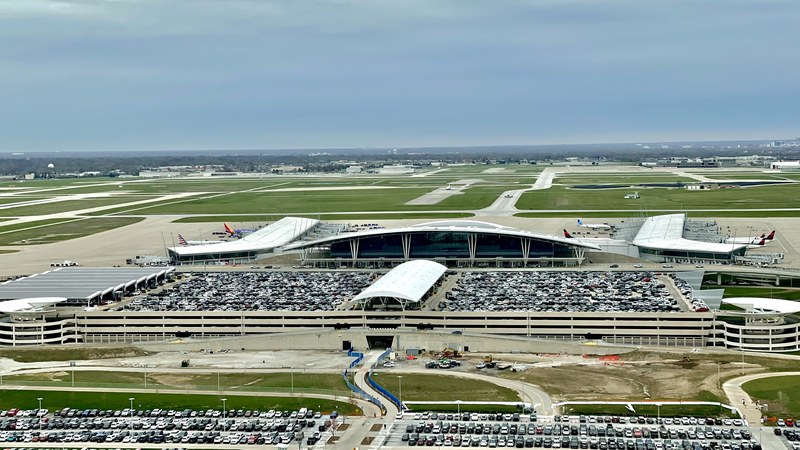
Multiple flights bound for Newark were diverted to other U.S. airports, including Detroit Metropolitan Wayne County Airport and Washington Dulles International Airport. A United Airlines flight from Berlin diverted to
Detroit, and an SAS flight from Stockholm was rerouted to Washington Dulles. United Airlines, Newark’s busiest international operator, waived flight change fees and offered extra pay to staff to mitigate staffing shortages. American Airlines, a major Philadelphia hub carrier, also waived change fees and permitted passengers to depart from alternative airports.
Official Statements on the Cause and Impact of the Outage
FAA Administrator Bryan Bedford said the outage began with an initial circuit failure and when switching to backup circuits, a break in the backup fiber was discovered. “When it went to flip into the backup, we discovered the backup fiber had a break,” Bedford stated. New Jersey Transit confirmed
its construction crew “accidentally severed a fiber-optic cable while working at the site,” approximately 10 feet from utility markings. Verizon stated, “Construction contractors working in the area dug up and cut our cable,” and added that “Verizon’s facilities were fully functional up to that point” and that it “bears no responsibility for this incident.” U.S. Transportation Secretary Sean Duffy noted on social media that flights resumed following repairs: “This incident underscores the need for additional funding to modernize aging infrastructure and prevent disruptions like this in the future.”
Background on TRACON Vulnerabilities and FAA Upgrades
The outage affected Philadelphia TRACON, which manages approaches and departures for Newark,
Philadelphia, and nearby airports. Telecommunications failures previously impacted Philadelphia TRACON in May 2025. The FAA has replaced telecommunications links and installed new fiber-optic connections between New York and Philadelphia TRACON facilities to improve system resilience. The agency also initiated a Standard Terminal Automation Replacement System hub to reduce dependency on New York data feeds for Newark. Staffing constraints at Philadelphia TRACON’s Area C continue to challenge Newark’s traffic management. The FAA extended Newark’s operating limits from October 25, 2026, through October 30, 2027, allowing 72 operations per hour, capped at 36 arrivals and 36 departures to address ongoing issues.
Traveler Impacts and Operational Responses
Passengers
experienced flight ground stops lasting multiple hours and delays reaching 150 minutes, with cancellations exceeding half of Newark’s scheduled flights. Diverted flights increased overall travel times for numerous travelers arriving from Europe and elsewhere. Airlines advised affected customers and provided fee waivers for rebooking. United incentivized extra staffing at Newark through additional pay to alleviate personnel shortages.