The Federal Aviation Administration (FAA) imposed flight operating limits at Chicago O’Hare International Airport for the Summer 2026 scheduling season, aiming to reduce congestion by capping daily arrivals and departures from May through late October. These restrictions target peak periods, especially weekends with highest passenger and connecting traffic volumes.
The FAA’s action follows months of extended delays at O’Hare caused by severe Midwest thunderstorms, national air traffic staffing shortages, and intricate ramp operations. These factors have repeatedly forced multi-hour ground delay programs in early 2026, with some flights delayed upwards of two hours prior to departure.
August 2026 is particularly
vulnerable to disruptions, with FAA advisories highlighting expected ground stops and arrival metering on busy Fridays and Sundays due to frequent thunderstorms and limited air traffic control capacity. Despite schedule caps restricting flight numbers, these weather and staffing conditions will continue to spur gate holds and rolling rebooking during peak weekend travel windows.
Construction Impact on Ground Operations
O’Hare’s ongoing Terminal Area Plan involves central terminal modernization through 2026, including new concourses and a future global terminal. Construction-related reduced taxiway capacity and altered ramp routes complicate ground movements, causing longer pushback and taxi-out times. While no runway closures are scheduled in August 2026, these operational
constraints exacerbate congestion during peak departure banks.
Airline Schedule Adjustments
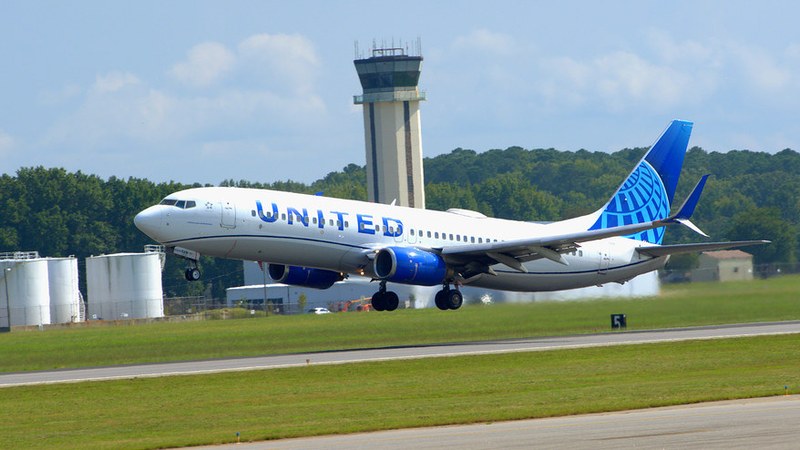
United Airlines and other major carriers have responded to the FAA caps by reducing regional routes feeding into O’Hare, prioritizing mainline and higher-demand flights on weekends. United’s cuts particularly affect smaller Midwestern and Great Lakes city connections. This streamlining limits redundancy, increasing vulnerability to missed connections and cancellations on lean weekend schedules.
Passenger Impact and Travel Recommendations
Passengers connecting through O’Hare in August 2026 should expect prolonged delays during late afternoon and evening departures on weekends. Longer taxi times, gate holds, and increased likelihood of missed connections are anticipated. Travel experts recommend allowing extra connection time, selecting earlier
flights, monitoring status closely, and considering nonstop options to reduce exposure to disruption at O’Hare.
Broader Operational Outlook
O’Hare remains a critical hub whose delays ripple across the U.S. air travel network. The FAA’s aggressive arrival metering and occasional ground stops aim to manage congestion under current constraints but will not eliminate delays. Longer-term surface management and gate assignment improvements are in development but will not impact August 2026. Analysts expect weekend travel peaks to stay highly sensitive to weather and staffing pressures, sustaining delay risks despite FAA interventions.