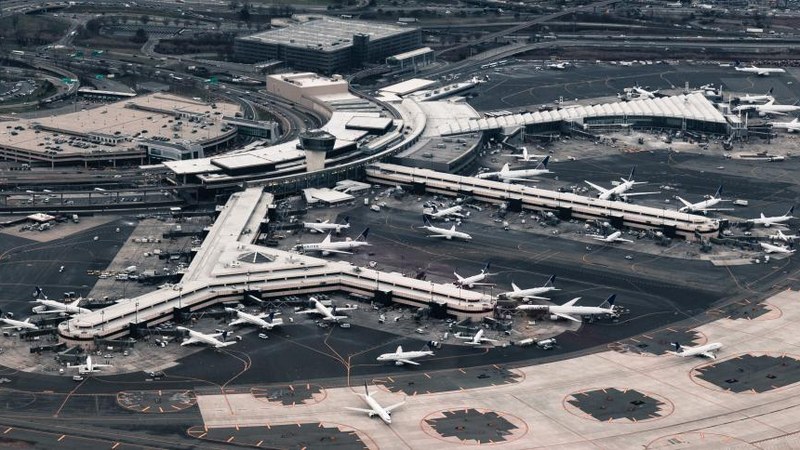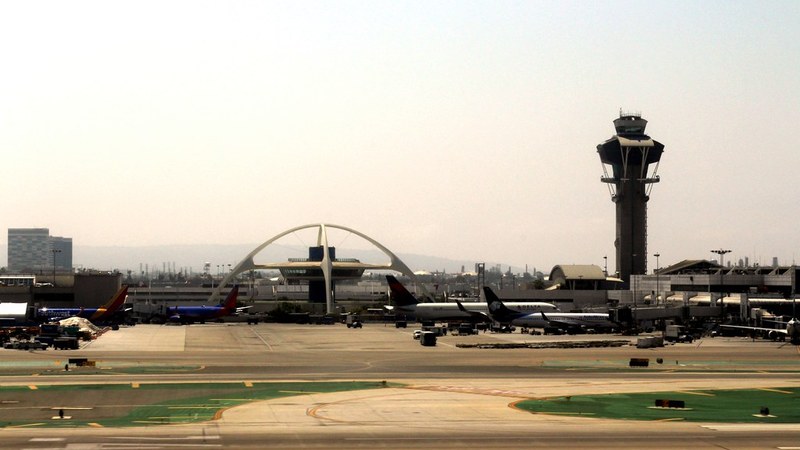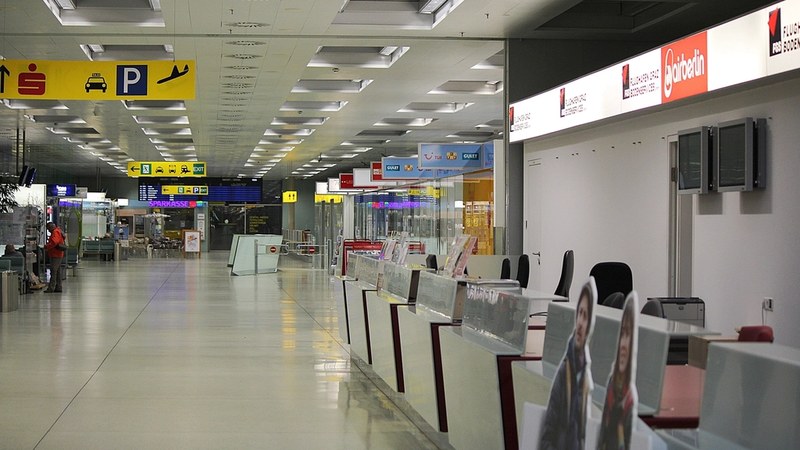
The Federal Aviation Administration (FAA) has maintained ground stops and departure delays at a major U.S. airport for a third consecutive day ending 2026-07-26, placing this airport at the top of the nation’s flight cancellation list. This disruption has created a bottleneck that temporarily halted or slowed departures, making the hub the largest single source of cancellations across the United States during this period.
Weather and Staffing Constraints Reduce Airport Capacity
The ongoing ground stops stem from convective weather conditions in key arrival corridors, including thunderstorms that disrupt approach paths and reduce runway capacity. The weather forces reroutes along longer paths and cuts the volume of possible
landings and departures per hour. Additionally, staffing shortages at critical air traffic control facilities further reduce capacity, limiting the airport’s ability to manage traffic surges or navigate severe weather safely.
Cancellations Cascade Through Hub and Regional Networks
Many flights originate as through services using shared aircraft and crews, amplifying delays and cancellations across the network. Extended ground stops can cause crews to exceed duty limits, prompting late-stage cancellations. Smaller regional airports, linked through lower-volume feeder flights, experience early cancellations as carriers prioritize main routes, restricting rebooking options for travelers at these spokes even when local conditions remain stable.
Passengers Face Crowded Terminals and Rebooking Challenges
Travelers at the affected hub face significant cancellations and
long delays as gate areas and concourses become congested with passengers awaiting rebooking or reassignment to new flights. Peak summer travel season conditions exacerbate difficulties in securing alternative seats. Airlines offer refunds to passengers who choose not to travel after cancellations or significant flight changes, but there is no federal mandate requiring cash compensation for delays. Mobile apps and airline tools remain primary means for passengers to manage rebooking.
Disruption Highlights Strain on U.S. Air Travel System
This multi-day disruption underscores how critical hubs influence national air travel stability. Despite declines in cancellations at major U.S. airports over recent years, concentrated events at key hubs continue to trigger
widespread delays and passenger impacts. Policy discussions are now focusing on increasing certified air traffic controller numbers, modernizing airspace management technology, and compelling airlines to align scheduled flights with airport operational capacity during peak demand.