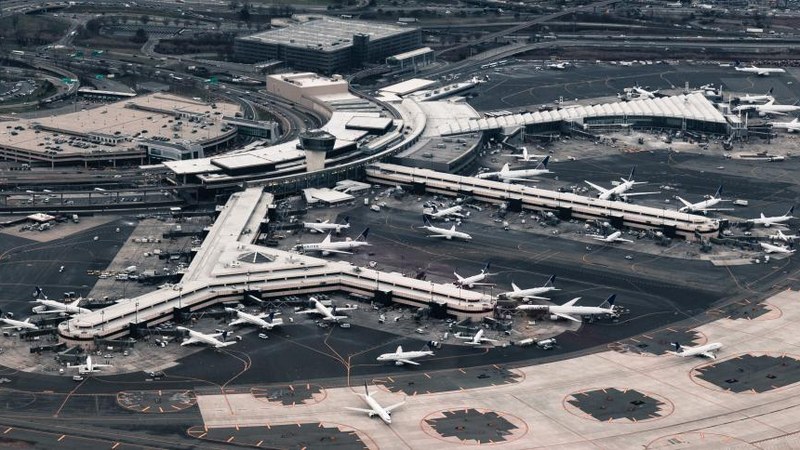
The Federal Aviation Administration imposed ground stops at a major U.S. airport for the third consecutive day on July 25, 2026, leading to the highest concentration of flight cancellations in the United States during the busy summer travel season. Most flights at this hub have been cancelled, making it the nation’s largest single source of cancellations currently.
Operational Disruptions and Network Effects
Ground stops and ground delay programs have been continuously applied to meter departures, significantly slowing flight movements at this key hub. These disruptions have caused bottlenecks at gates and on taxiways. The affected hub is a primary connecting point for one of the
country’s largest carriers, and cancellations and delays there have caused cascading cancellations and delays across the national network. Smaller regional airports connected as spokes to the hub have experienced disproportionate cancellations and fewer rebooking options.
Root Causes of the Disruptions
The FAA attributed the ground holds to convective weather in arrival corridors, heavy traffic volume, and airspace management constraints. Thunderstorms have closed approach paths, forced rerouting around storm cells, and reduced the number of planes that can land or depart per hour. Ongoing staffing shortages in critical air traffic control facilities have reduced capacity, limiting the margin for handling severe weather or surges in demand.
Ground stops and ground delay programs are implemented to prevent runway and airspace overload. Extended ground stops can lead to crew duty time limits causing late cancellations even when flights are otherwise ready.
Passenger Impact and Travel Advice
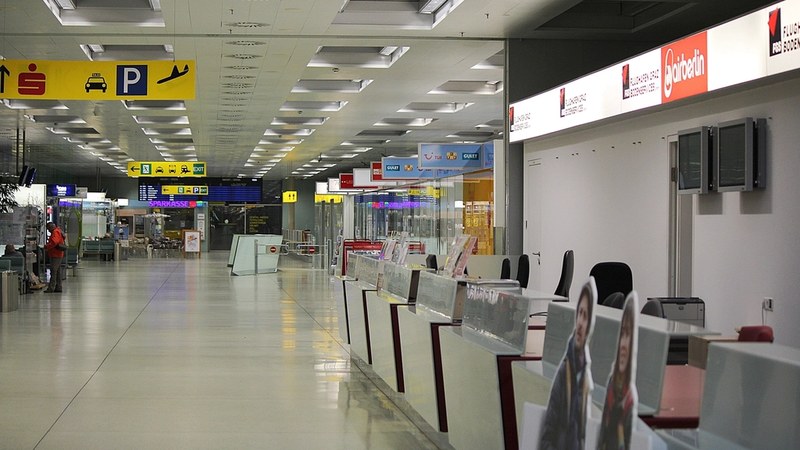
Passenger areas at the airport show crowded gates, long customer service lines, and travelers waiting for rebooking or new assignments. Many flights are sold close to capacity, limiting options for alternate departures. Smaller regional airports serving as spokes often see cancellations first, further reducing rebooking choices for travelers. Airlines must provide refunds for cancellations under U.S. regulations, but there is no federal requirement for cash compensation for
delays. Travelers should anticipate cancellations and delays when flying through this affected hub.
Industry Response and Policy Considerations
Recent summers have seen multiple large-scale breakdowns at major U.S. airport hubs caused by weather, technology outages, or staffing shortages. Although cancellations at the largest U.S. airports have generally trended lower compared to prior years, concentrated disruptions at a single hub still cause national effects. Policy discussions emphasize increasing certified air traffic controllers, investing in airspace management tools, and aligning airline schedules with realistic airport capacity. Efforts to enhance system resilience during peak demand periods are ongoing.