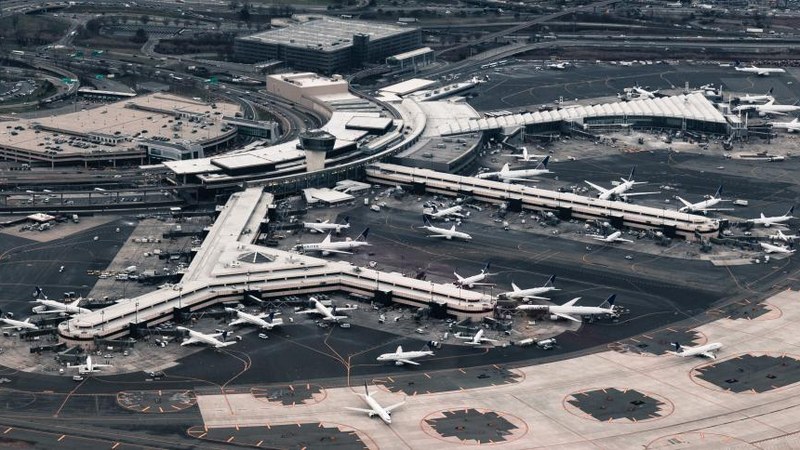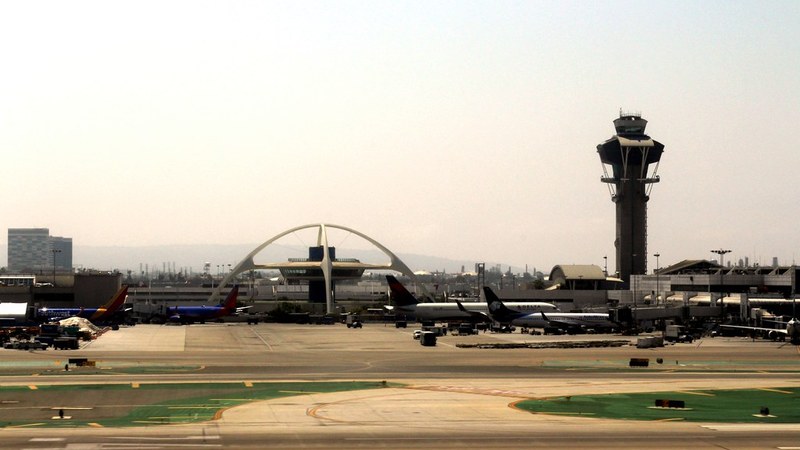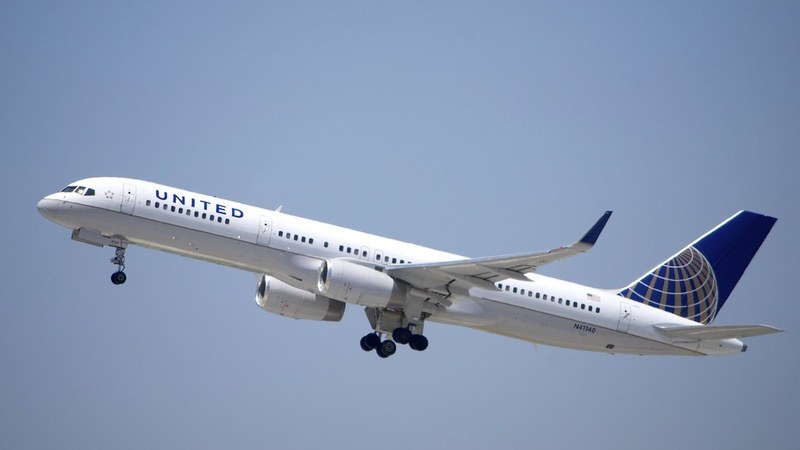
On Saturday, July 25, 2026, the Federal Aviation Administration (FAA) maintained ground stops and departure delays for the third consecutive day at a major U.S. airport hub. This ongoing FAA action has resulted in this single airport becoming the largest source of flight cancellations and delays nationwide today.
Weather, Traffic Volume, and Staffing Strain Limit Operations
The persistent operational restrictions stem from convective weather systems affecting critical arrival corridors, heavy traffic volumes, and airspace management challenges. Thunderstorms have forced aircraft onto longer approaches, reducing runway throughput significantly. Concurrent staffing shortages of air traffic controllers at key facilities have limited the hub’s capacity to handle the high volume of
flights and adapt to weather disruptions.
Flight Operations Disrupted, Causing Cascading Delays and Cancellations
These conditions have led to repeated uses of ground stop and ground delay programs to meter departures and arrivals. The resulting bottlenecks have occurred both at gates and taxiways, severely reducing operational flow. Additionally, crew duty time limits are being reached due to prolonged ground delays, prompting further cancellations as flight crews become unavailable for scheduled departures. The hub serves as a primary connecting point for one of the country’s largest carriers, amplifying the network-wide impact as delayed crews and aircraft disrupt numerous connecting flights.
Passengers Endure Crowded Gates and Limited Rebooking Options
The disruption has caused travelers at the hub and
smaller regional airports linked to it to face crowded gate areas, long lines for customer service, and extended waits in airport concourses. At regional airports, feeder flights are often the first to be canceled, resulting in limited rebooking options for passengers away from the main hub. With many flights near full capacity due to peak summer travel demand, alternative seating availability remains scarce. U.S. regulations mandate refunds for canceled flights when passengers opt not to travel, but compensation for delays varies by carrier and is not federally required.
Systemic Challenges Highlight Concerns for Peak Travel Season
This three-day disruption renews focus on systemic issues in the U.S. air
travel infrastructure. Previous summers have seen large-scale interruptions caused by weather, technology failures, and controller shortages at major hubs. Although cancellation rates nationwide have trended lower recently, concentrated events at central connecting airports can cause widespread network breakdown. Industry discussions continue on enhancing the number of certified controllers, modernizing airspace management technology, and aligning airline schedules with airport operating capacity to better manage demand surges and severe weather impacts.