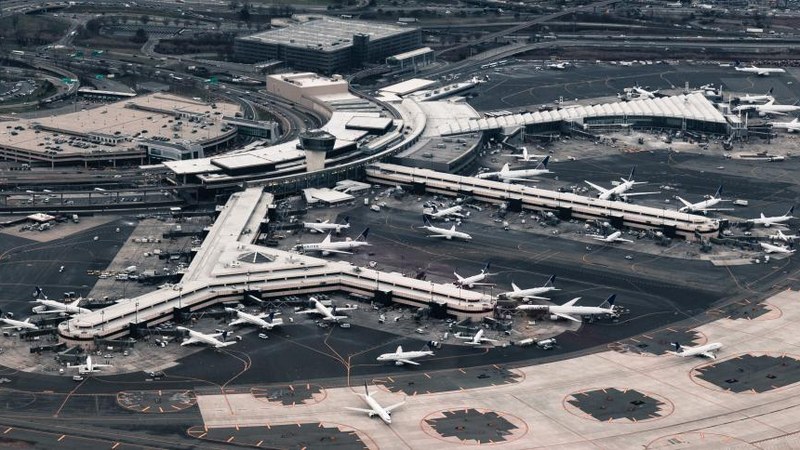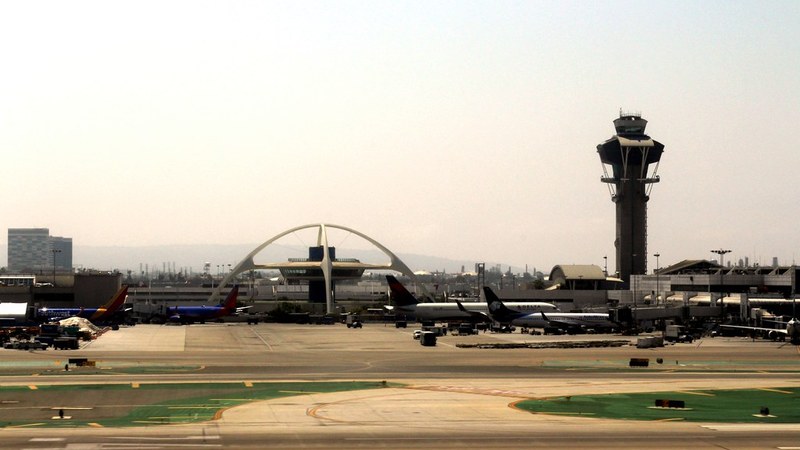
The Federal Aviation Administration (FAA) has enforced ground stops and departure delays at a major U.S. hub airport for the third consecutive day as of July 26, 2026. Most scheduled flights were cancelled on this date, making the airport the largest single source of cancellations nationally during this period.
Weather, Traffic Volume, and Staffing Limit Capacity
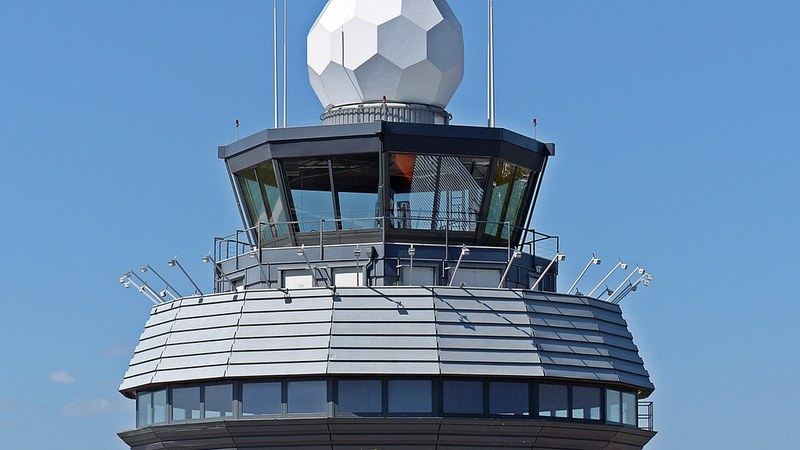
The FAA attributed the repeated ground stops primarily to thunderstorms affecting key arrival corridors, which lowered the landing and departure rates. Heavy traffic volumes combined with airspace management constraints further reduced operational capacity. Staffing shortages in critical air traffic control facilities have limited the ability to manage surges and weather workarounds,
forcing the FAA to continue metering departures through ground delay programs.
Operational Bottlenecks and Cascading Cancellations
Ground stops and delay programs have created bottlenecks at gates and taxiways, slowing departure flows at the affected airport. This has resulted in cascading cancellations across the network, as aircraft and crews become unavailable for downstream flights. Smaller regional airports connected to the hub experienced early cancellations of feeder flights, reducing rebooking options for passengers and prolonging delays at these locations.
Passenger Impact and Airline Responses
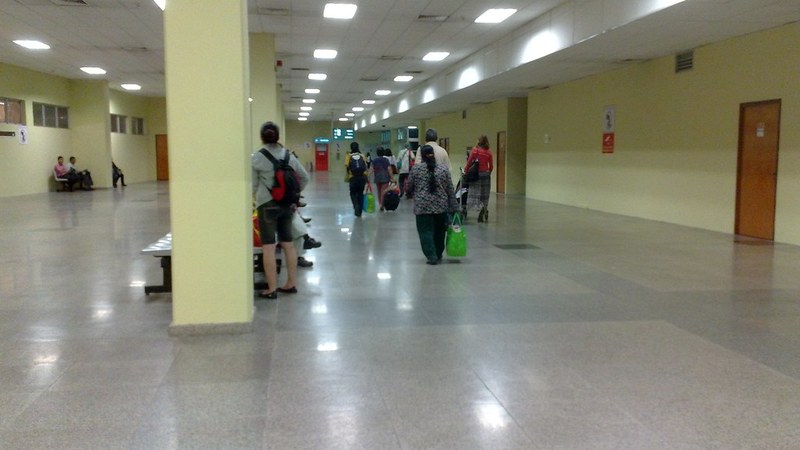
Passengers at the disrupted hub face crowded gates, long customer service lines, and difficulties securing alternative flights due to limited seat availability. Airlines have responded by offering rebooking
options, meal vouchers, and hotel accommodations at their discretion. U.S. regulations require refunds if passengers choose not to travel following cancellations, but there is no federal mandate for cash compensation on delays.
Industry Context and Policy Discussions
Although cancellations at major U.S. airports have generally declined compared to previous years, concentrated multi-day disruptions at a single hub continue to generate nationwide impact. Federal policy discussions have emphasized increasing the number of certified air traffic controllers, modernizing airspace management systems, and aligning airline schedules more closely with airport capacity to reduce future occurrences of such large-scale interruptions.