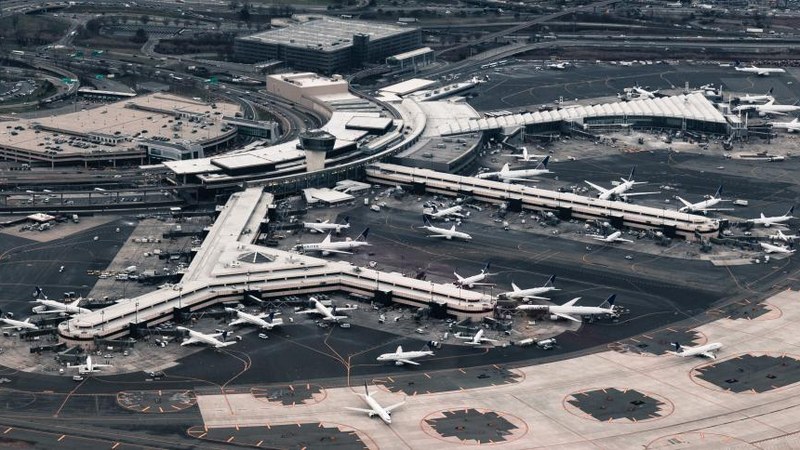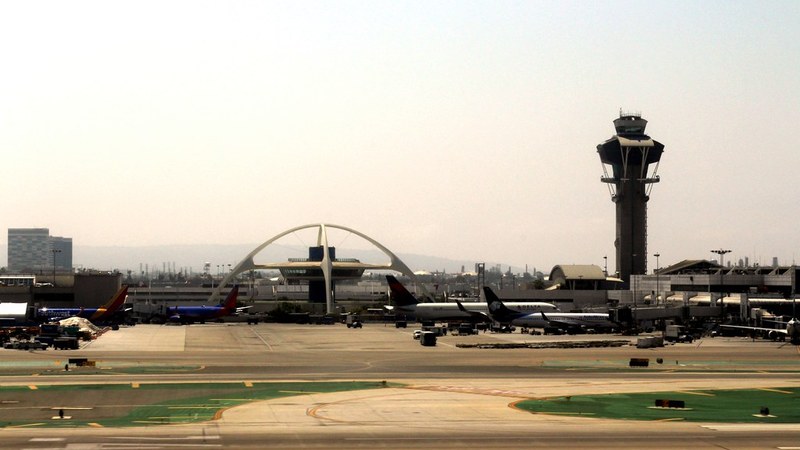
The Federal Aviation Administration (FAA) has enforced ground stops and departure delays for a third consecutive day at a major U.S. airport hub as of July 26, 2026, resulting in the largest concentration of flight cancellations in the country. This airport now accounts for the highest number of scrapped flights nationwide during this period.
Weather, Staffing, and Airspace Constraints Trigger Ground Stops
Convective weather, including thunderstorms in key arrival corridors, has forced the FAA to reduce approach paths and runway capacity at the hub. These weather conditions have rerouted aircraft onto longer paths, limiting how many planes can operate safely per hour. Staffing shortages at critical air traffic
control facilities compound the issue by restricting the capacity to manage traffic surges and weather-related reroutes. Consequently, ground stops and ground delay programs are employed to prevent excessive congestion during peak travel times.
Network Effects Amplify Delays and Cancellations
The airport functions as a primary connecting point for one of the country’s largest carriers, making delays at the hub ripple across its network. Aircraft and crews become misaligned due to extended ground stops, pushing some crews past legal duty limits and triggering last-minute cancellations even when planes are ready. Airlines prioritize maintaining long-haul and trunk routes operational by canceling lower-volume feeder flights first, causing additional disruptions
at smaller regional airports linked to the hub.
Passenger Experience Marked by Crowding and Limited Rebooking
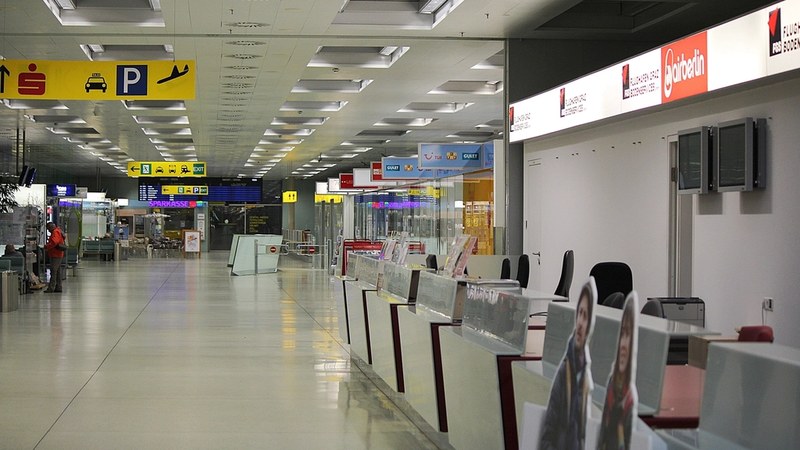
Travelers at the affected hub face crowded gates and long lines at customer service counters, with many passengers waiting for rebooking amid limited alternative flight options due to near-capacity bookings in the peak summer travel season. Passengers at smaller regional airports also encounter fewer rebooking choices and extended wait times, despite calm local conditions. U.S. regulations require airlines to refund passengers if flights are canceled or significantly changed and they choose not to travel, but cash compensation for delays remains discretionary.
Industry Guidance and Policy Discussions on Air Traffic Improvements
Industry groups recommend passengers frequently check flight status and use airline
mobile tools to find available connections or alternate routings around the congested hub. Some travelers are rerouting through less busy airports or postponing trips as disruption continues. Policymakers and stakeholders are focusing on increasing certified air traffic controller staffing, modernizing airspace management technologies, and aligning airline schedules with airport capacity to mitigate future disruptions caused by weather, volume, and staffing constraints during peak demand periods.