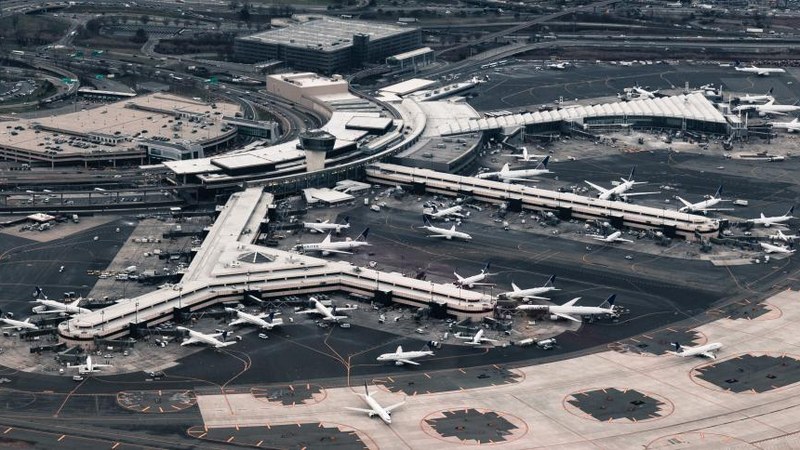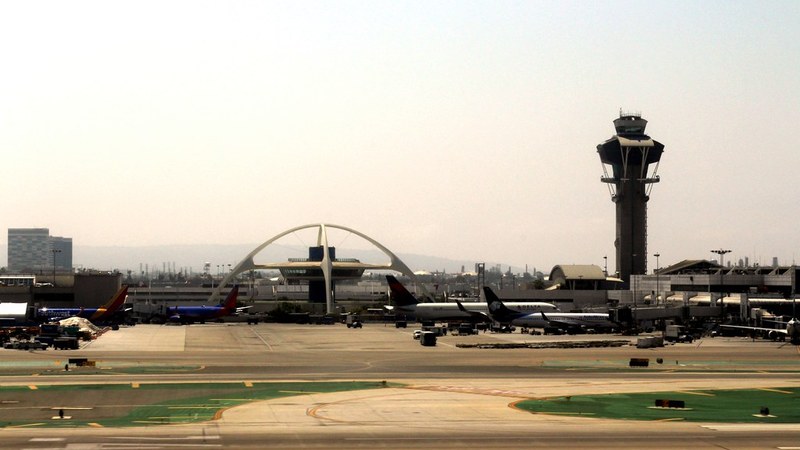
The Federal Aviation Administration has imposed ground stops and departure delays for a third consecutive day at a major U.S. hub airport as of July 25, 2026, resulting in the largest concentration of flight cancellations in the United States today. This airport has become the nation’s top single source of cancellations amid ongoing operational restrictions and remains among the top nationally for cancellations and delays during this multi-day disruption.
Ground Stops and Delays Create Network Bottlenecks
Repeated ground stops and ground delay programs have paused and slowed aircraft departures, causing gate and taxiway congestion at the hub. These disruptions have impacted smaller regional airports that serve as
spokes connected to the hub, amplifying cancellations and delays throughout the airline network. Shared aircraft and crew schedules have compounded the issue, with delays extending through multiple downstream flights. Other major airports have resumed closer to normal operations while this hub remains disrupted.
Weather, Traffic, and Staffing Limit Air Traffic Capacity
The FAA attributed the ongoing ground stops to convective weather in critical arrival corridors leading to approach path closures and rerouted flights around storm cells. High traffic volume and airspace management restrictions have further contributed to the operational constraints. Staffing shortages at essential air traffic control facilities reduce the capacity to manage heavy traffic safely at the
busy hub. Weather remains the leading cause of flight delays nationwide according to FAA air traffic summaries.
Traveler Impact Includes Crowding and Crew Limitations
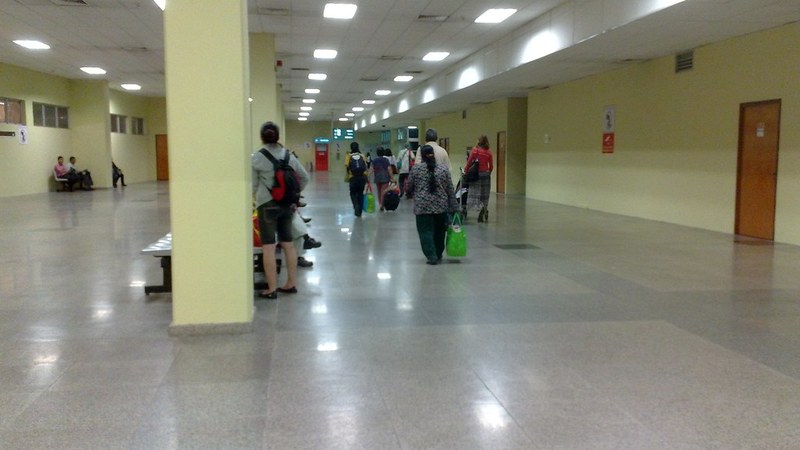
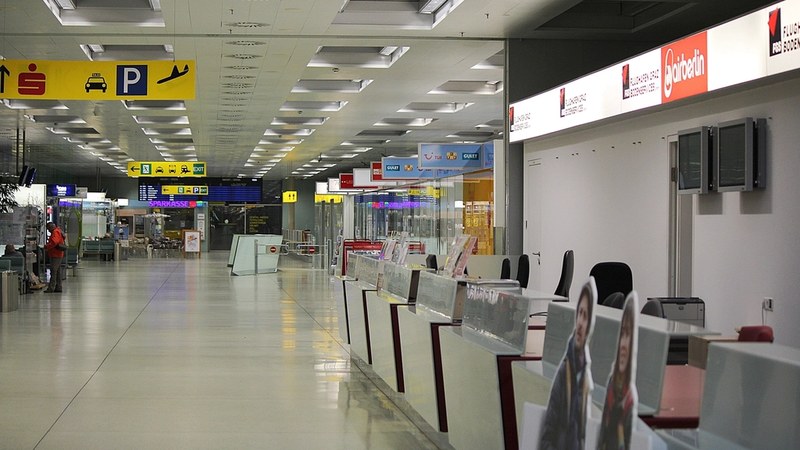
The disruptions have stranded passengers across multiple regions, with reports of crowded gate areas, long customer service lines, and waiting passengers in concourses at both the hub and its spoke airports. Many flights nearing full capacity have limited alternative seat availability. Extended ground stops push flight crews toward their legal duty limits, causing late cancellations even when aircraft are prepared to depart. Regional airports have seen prioritized cancellations of lower volume feeder flights, further restricting rebooking options and leading to longer waits for
affected travelers.
Industry Context: Staffing, Technology, and Consumer Protections
Cancellations at the largest U.S. airports have generally declined compared to previous years, but concentrated events at single hubs continue to generate nationwide frustration. Industry discussions focus on increasing certified air traffic controllers, modernizing airspace management tools, and aligning airline schedules with realistic traffic capacity. Under U.S. regulations, airlines must provide refunds for cancellations or significant schedule changes but are not federally required to compensate passengers for delays.