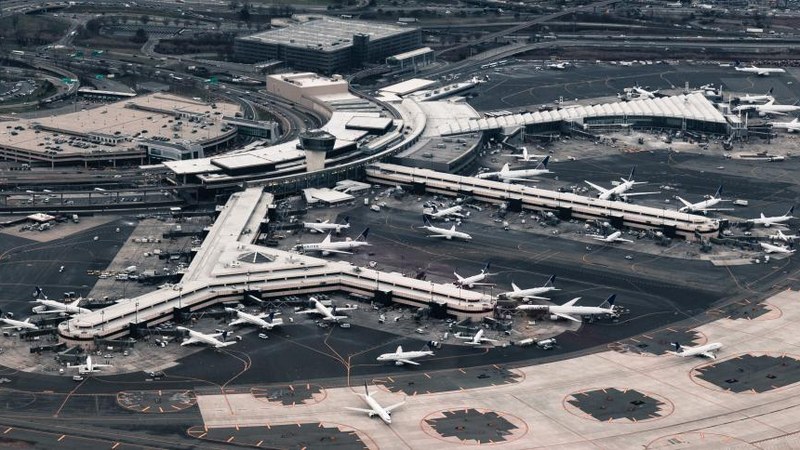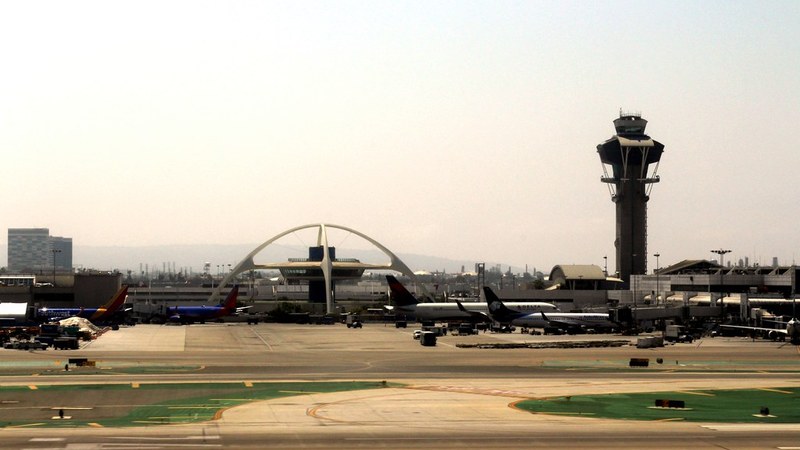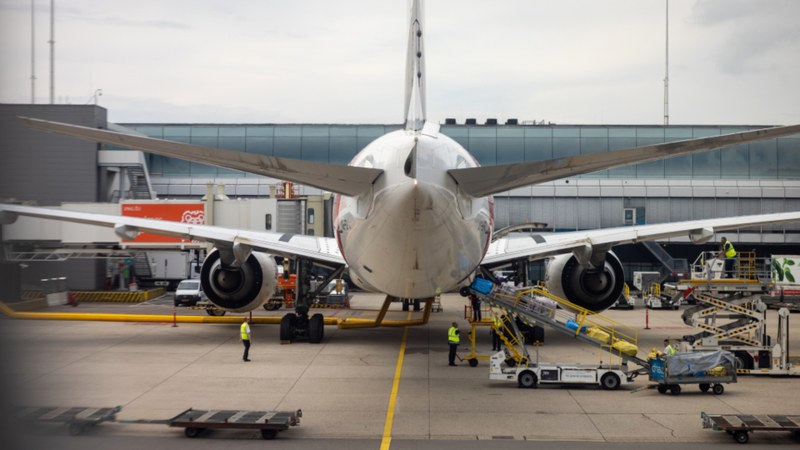
The Federal Aviation Administration (FAA) has imposed continuous ground stops and departure delays for the third consecutive day at a major U.S. airport as of July 25, 2026. These operational restrictions have resulted in the highest concentration of flight cancellations across the nation today, severely disrupting travel through this key hub.
Major U.S. Airport Leads National Flight Cancellations
Flight tracking data and air traffic reports identify this airport, which serves as a primary connecting hub for one of the country’s largest carriers, as the single largest source of cancellations and extended delays nationwide during this multi-day event. While other large airports have returned closer to normal operation
levels, this hub continues to experience bottlenecks both at gates and taxiways due to ongoing ground stops and ground delay programs enforced by the FAA.
Weather and Staffing Issues Drive FAA Restrictions
Convective weather in critical arrival corridors, including thunderstorms that close approach paths and force extended reroutes, is a primary factor behind the FAA’s ground stops at this airport. In addition, heavy traffic volume combined with constraints in airspace management has intensified delays. Staffing limitations at essential air traffic control facilities have further restricted the airport’s capacity to adapt to severe weather or demand surges, according to FAA air traffic summaries and incident reports.
Operational Disruptions Impact Flight Networks and Passengers
The FAA’s
use of ground stops and ground delay programs has slowed departure rates, causing cascading cancellations and delays across the airline’s network. Because many flights operate as connected sequences sharing aircraft and crews, delayed departures have led to multiple downstream cancellations. Crew duty time limits have also resulted in late-stage flight cancellations despite aircraft being prepared, amplifying the disruption especially during this peak summer travel period.
Traveler Experience: Crowding and Limited Rebooking Options
Passengers at the affected airport have faced crowded gate areas and long customer service lines. Social media posts show travelers waiting in concourses as they seek rebooking or alternative flights amid limited seat availability. Smaller
regional airports linked to the hub see fewer rebooking choices as airlines prioritize maintaining long-haul and trunk routes at the expense of lower-traffic feeder flights. This has extended delays for travelers outside the main hub despite calmer conditions at some secondary locations.
Regulatory and Industry Challenges Underpin System Vulnerabilities
Extended ground stops risk crews hitting duty time limits, creating additional cancellations late in the process. The FAA continues to utilize traffic management tools to prevent runway overload and maintain airspace safety during high-demand periods and adverse weather. Industry discussions focus on increasing certified controller staffing and modernizing airspace management technology to reduce future large-scale disruptions at major
airports. Under current U.S. regulations, airlines must refund canceled flights but are not federally required to compensate for delays, placing pressure on carriers’ discretionary customer service options.