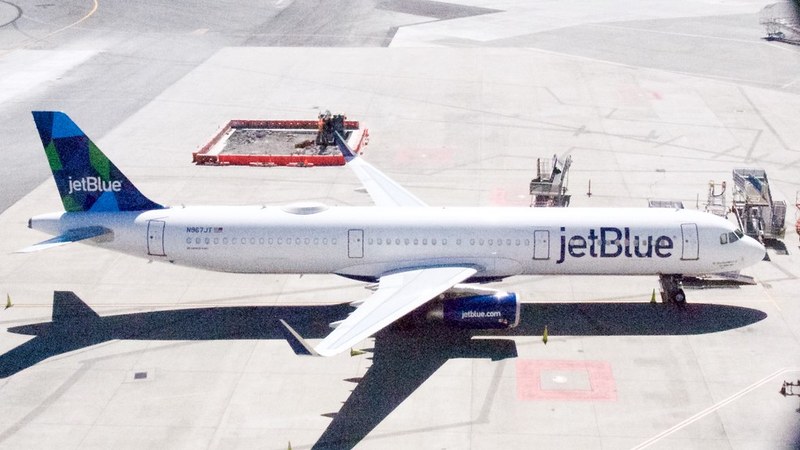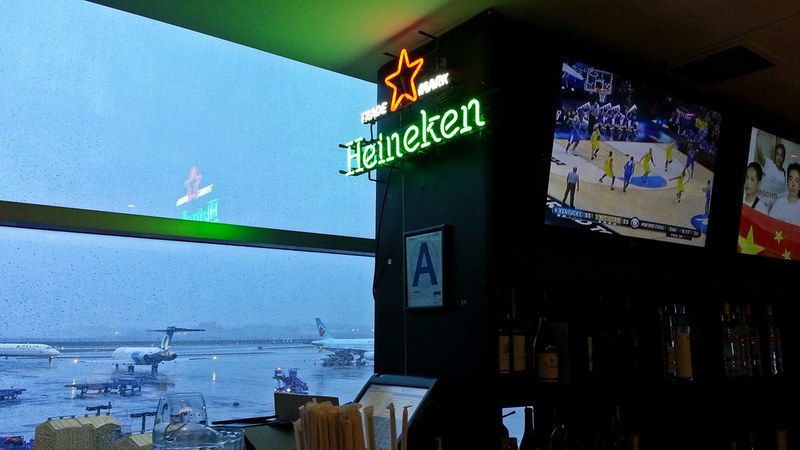
The Federal Aviation Administration (FAA) issued ground stops at LaGuardia Airport and John F. Kennedy International Airport (JFK) on November 12, 2026, due to severe thunderstorms affecting the New York metropolitan area. The LaGuardia ground stop started at 1:27 p.m. ET and was initially scheduled to run until 3:45 p.m., with a 30% to 60% probability of extension. JFK followed with a ground stop beginning at 2:49 p.m., also expected to end at 3:45 p.m. with a similar chance of extension. Concurrently, LaGuardia was subject to a ground delay program starting at 1 p.m. and continuing through 11:59 p.m., causing
departing flights to average 63 minutes of delay.
Newark Liberty International Airport implemented its own ground delay program from 2:37 p.m., under which flights experienced average delays of 137 minutes. These layered measures targeted arrivals while managing departures from the high-traffic New York-area airports amid adverse weather conditions.
Flight Delays and Cancellations at New York-Area Airports
FlightAware data recorded by avi-go.com showed substantial operational impacts across the region. By approximately 1:31 p.m., LaGuardia had 215 delayed flights and 10 cancellations. Newark had 131 delays and six cancellations reported around 2:24 p.m. JFK demonstrated the highest disruption with 239 delays and 24 cancellations as of about 3:16 p.m. These
represent snapshot totals during the evolving weather event and are subject to change.
Weather Conditions and FAA Monitoring
A flood advisory was active until 1:45 p.m. in the Newark area due to heavy rain causing minor flooding in low-lying regions. The National Weather Service forecast extended rainfall for the New York metropolitan area into Friday, with potential minor coastal flooding in some locations. The FAA continues to observe conditions throughout the Northeast and indicated further air traffic restrictions may be imposed as the storm system progresses.
Ground Stops Versus Ground Delay Programs Explained
The FAA’s ground stops and ground delay programs function differently and directly affect flight operations. Ground stops require holding
flights on the ground before departure until the FAA lifts restrictions, effectively freezing departures to affected airports. Ground delay programs, by contrast, regulate departure times to ensure arrivals do not exceed airport capacity, metering inbound traffic to manageable levels. Both strategies impact flights beyond the immediate region, often delaying departures from airports far outside New York.
Operational Impact on New York Airports
At LaGuardia, the combination of a ground stop and extended delay program marks a layered approach to controlling arrivals and departures during severe weather. Newark’s ground delay program caused an average inbound delay of 137 minutes, more than double LaGuardia’s delay average of 63
minutes. JFK’s ground stop further compounded operational challenges at the tri-airport system. These restrictions emphasize the complexity of managing congested airspace and terminal capacity in a major hub during disruptive weather. The FAA continues to coordinate such measures to maintain safety and orderly operations.