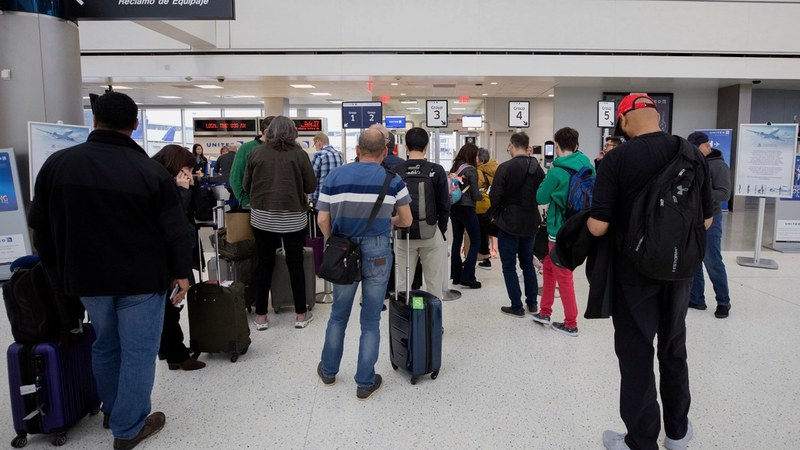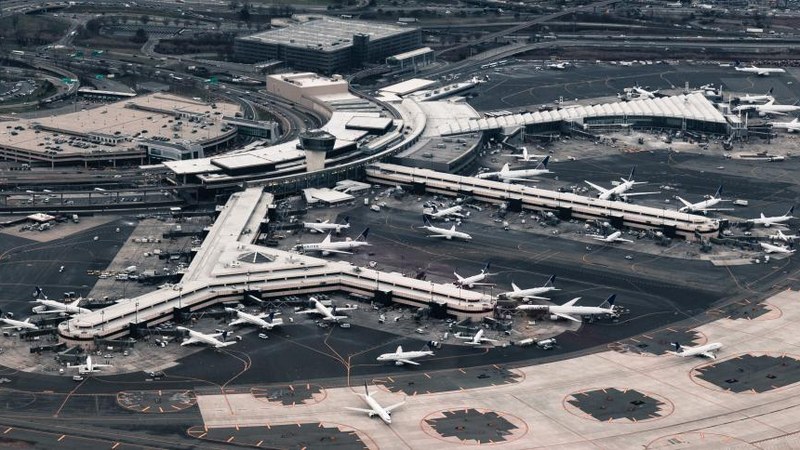
On July 27 and 28, 2026, the Federal Aviation Administration (FAA) imposed ground stops and slowed flight operations at John F. Kennedy International Airport, LaGuardia Airport, Newark Liberty International Airport, and Philadelphia International Airport. These actions were prompted by staffing shortages at the New York Air Route Traffic Control Center compounded by severe weather conditions.
Ground Stops and Flight Cancellations Disrupt Major Airports
Ground stops were specifically issued at Newark, LaGuardia, and JFK airports, causing flights to be held at their origin before departure. FlightAware reported cancellations ranged between 20% and 30% at the four airports during the disruption period. Ground delays averaged from 71 minutes up to
149 minutes, with arrivals at JFK experiencing an average delay of 2 hours and 29 minutes under a Traffic Management Program.
Delta Air Lines faced the highest number of flight cancellations at LaGuardia Airport on July 27, 2026. Passengers at all four airports experienced delayed departures and arrivals as operations were temporarily constrained across these key hubs.
Persistent Air Traffic Controller Shortages Extend Flight Restrictions
The FAA attributed the delays and ground stops to a sustained shortfall of certified air traffic controllers at the New York Air Route Traffic Control Center and New York Area Terminal Radar Approach Control, which is staffed at only 57% of its targeted
level. Due to this shortage, controllers are working mandatory overtime and six-day weeks to maintain operations.
Flight limits at Newark Liberty International Airport have been extended through the summer of 2027, while those at JFK and LaGuardia Airports now remain in place until late October 2028. Additionally, the FAA has prolonged relief from minimum flight requirements at JFK, LaGuardia, and Reagan Washington National Airport through late 2027, allowing airlines to reduce flights by 10% without losing slots.
The FAA stated that air traffic control staffing deficiencies at Newark “will not significantly improve” before October 2027, signaling ongoing operational challenges for
the foreseeable future.