San Francisco International Airport (SFO) faced multiple FAA ground stops on Monday, November 9, 2026, resulting in 187 delayed flights and three cancellations reported by approximately 10:30 a.m. Pacific Time. The initial ground stop commenced shortly before 8 a.m. and ended around 9:15 a.m., with subsequent ground stops implemented around 10:28 a.m. and shortly before noon to regulate traffic flow.
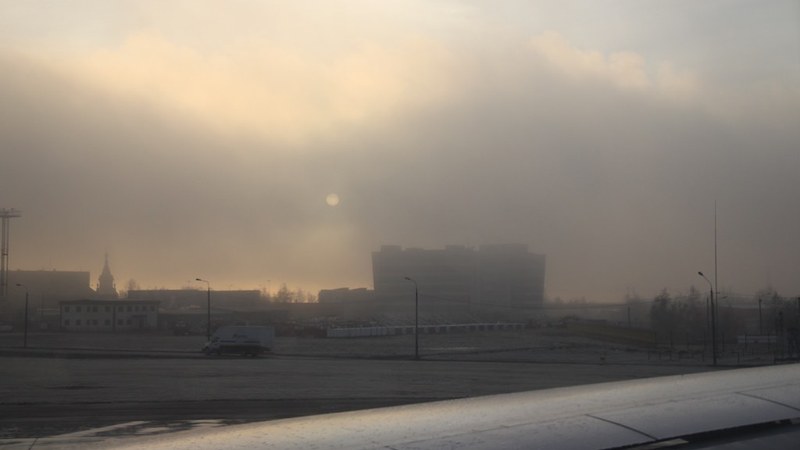
Dense fog and low cloud ceilings were identified by the Federal Aviation Administration and weather authorities as the primary causes of the restrictions. Visibility at SFO dropped to roughly 0.13 miles near 8 a.m., according to the San Francisco Chronicle,
while a dense fog advisory covering San Francisco and the bay shoreline was issued by the National Weather Service. The combination of low ceilings and reduced surface visibility necessitated increased separation between aircraft and use of low-visibility operational procedures.
Passengers experienced significant travel disruption as flights destined for San Francisco were held on the ground at their departure locations to avoid congestion in SFO’s airspace. The FAA implemented ground delay programmes to manage arrivals under limited capacity conditions. The delays affected inbound flights with an average delay time close to 63 minutes during the morning hours. These delays and cancellations
also impacted subsequent departures and arrivals at the airport.
Ground stops held selected flights at other U.S. airports before departure to prevent overload of SFO terminal airspace. The temporary FAA measures dynamically adjusted throughout the morning based on evolving weather conditions. Ground stops are standard air traffic management actions that do not indicate that the airport itself was closed. The FAA published traffic management information throughout the day documenting the timing of restrictions and their termination.