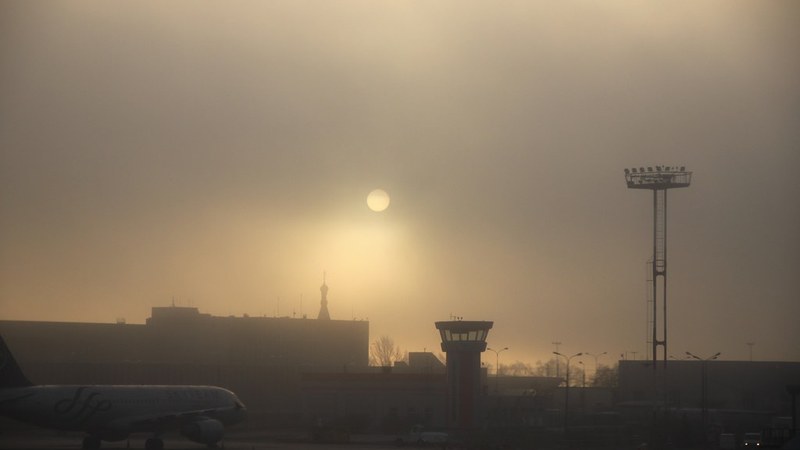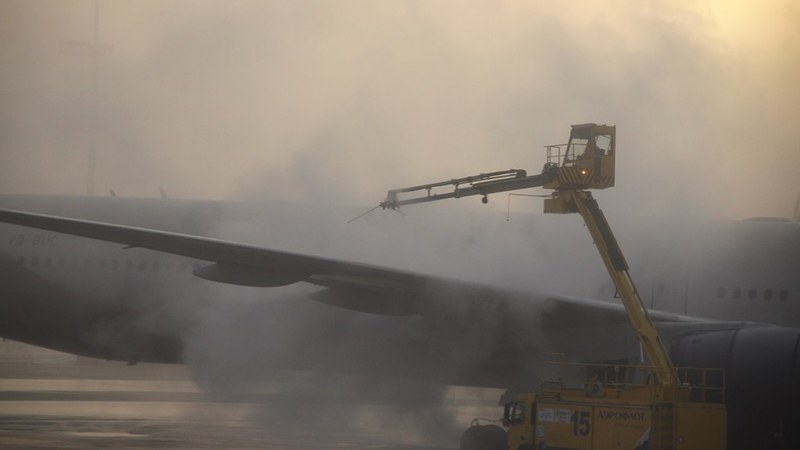
San Francisco International Airport experienced multiple FAA ground stops on Monday, November 9, 2026, due to dense fog and low clouds disrupting flight operations. The initial ground stop began shortly before 8 a.m. Pacific Time and was lifted around 9:15 a.m., followed by additional ground stops around 10:28 a.m. and shortly before noon.
By approximately 10:30 a.m. Pacific Time, 187 flights arriving at San Francisco were delayed and three were canceled. Visibility at the airport dropped to around 0.13 miles near 8 a.m., according to the San Francisco Chronicle. The National Weather Service issued a dense fog advisory warning visibility
as low as a quarter mile along San Francisco Bay and its shoreline.
The FAA implemented ground delay programs to manage air traffic flow into San Francisco, holding selected departures at other U.S. airports headed to the city until congestion eased. These measures aimed to control the number of arrivals during periods of reduced airport capacity caused by low visibility and cloud ceilings. The delays on the ground extended to flights scheduled to depart from different airports toward San Francisco.
The flight restrictions resulted from coastal fog and low cloud ceilings prevalent around San Francisco Bay in the morning, conditions
that demand increased spacing between aircraft and use of low-visibility procedures. San Francisco International Airport’s proximity to the bay makes it particularly vulnerable to these weather effects, diminishing operational throughput during dense fog events.
Passengers scheduled to fly into or out of San Francisco on November 9 faced delays or cancellations linked to the FAA ground stops and fog conditions. Those connecting through San Francisco were likely impacted by delayed arrivals and should have allowed extra travel time.
FAA traffic management notifications confirmed the timing and sequence of ground stops and delay programs at San Francisco throughout the day. The
National Weather Service’s dense fog advisory provided the basis for the FAA’s safety-driven restrictions designed to mitigate risks associated with low visibility.