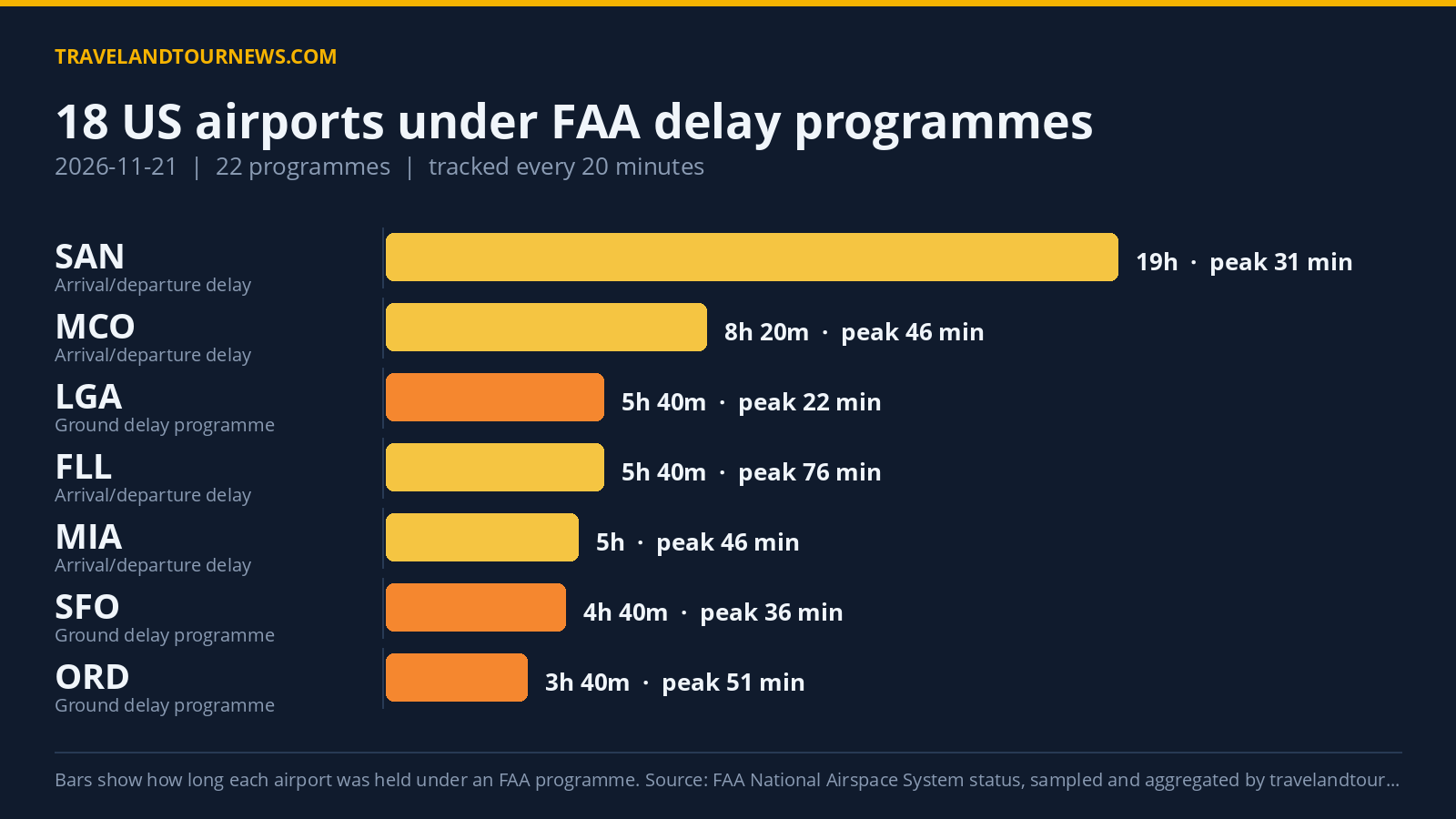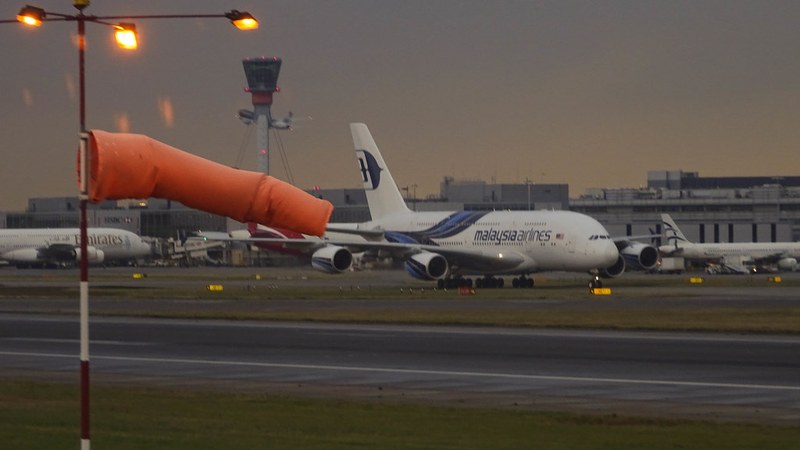
The Federal Aviation Administration issued a ground stop at San Francisco International Airport on November 19, 2026, halting all departing flights amid storms affecting the Bay Area. The FAA attributed the stoppage to wind and weather conditions and reported departing flights faced delays averaging 3 hours and 6 minutes. Officials indicated a “medium” chance that the ground stop could be extended.
Storm Brings Near-Record Rainfall and Flooding
On the night spanning November 18 to 19, downtown San Francisco received 1.85 inches of rain, nearing the daily rainfall record of 2.24 inches set in 1918. The heavy precipitation led to significant flooding, notably southbound Interstate 280 near
Geneva Avenue. Due to the severe weather, Waymo suspended its autonomous cab service operations within the Bay Area temporarily.
FAA Ground Stop Procedure and Business Aviation Impact
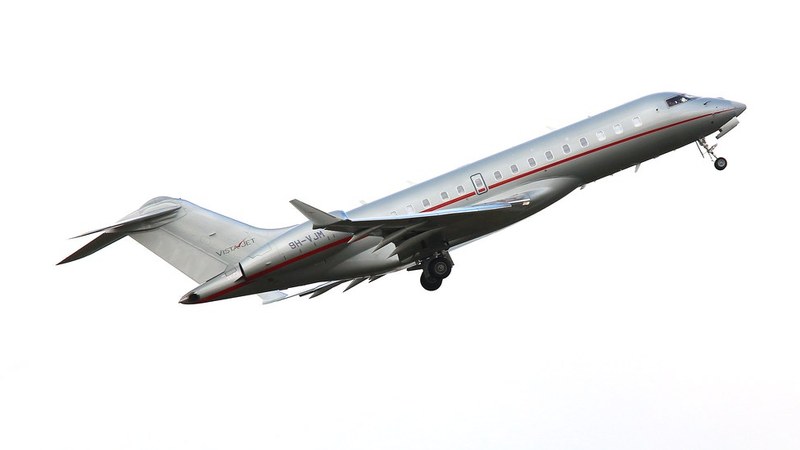
The FAA uses ground stops as an operational measure to hold departures at airports when weather or external conditions disrupt standard aircraft sequencing. At a busy and single-runway-constrained airport like San Francisco International, queued departures and crew duty time limits often prolong delays even after weather conditions improve. For business aviation operators, including charter and fractional flights serviced by companies like Vista America, this often results in costly late departures or diversions, as such flights do not have the hub network
flexibility that airlines possess. On November 19, Vista America confirmed retaining its top safety ratings from IS-BAO Stage 3, Wyvern Wingman PRO, and ARGUS Platinum Elite audits.
Additional Air Traffic Control Disruptions Across California
On the evening of November 18, the control tower at Hollywood Burbank Airport declared “ATC Zero” status twice, causing Southwest Airlines and Alaska Airlines pilots to self-coordinate flight operations for approximately 30 minutes each time. The FAA did not provide a cause for the outages, which were unrelated to weather. These disruptions followed a nationwide FAA ground stop on November 13, 2026, which lasted over four hours and delayed or canceled more than
15,000 flights. Transportation Secretary Sean Duffy attributed the nationwide stop to a “communication issue impacting all Air Route Traffic Control Centers” connected to the FAA’s network system upgrades in Arkansas.
Official Statements on Ground Stops and FAA Spending
The FAA stated that the San Francisco ground stop resulted from high winds and storm conditions, adding the possibility of an extension was “medium.” Transportation Secretary Duffy linked the previous nationwide stoppage to a communication failure tied to the FAA’s transition from copper wire to fiber optic systems in Arkansas. U.S. Senator Tammy Duckworth criticized the FAA’s modernization funding plans and said she would withhold support without a detailed spending
plan and a comprehensive investigation into the causes of the November 13 national ground stop.