The Federal Aviation Administration (FAA) implemented a ground stop at San Francisco International Airport (SFO) on November 18-19, 2026, halting all departing flights amid severe storm conditions. Downtown San Francisco recorded 1.85 inches of rainfall, nearing the daily record of 2.24 inches set in 1918. The intense rain led to major flooding, particularly affecting southbound Interstate 280 near Geneva Avenue.
Flight Delays and Operational Challenges at San Francisco
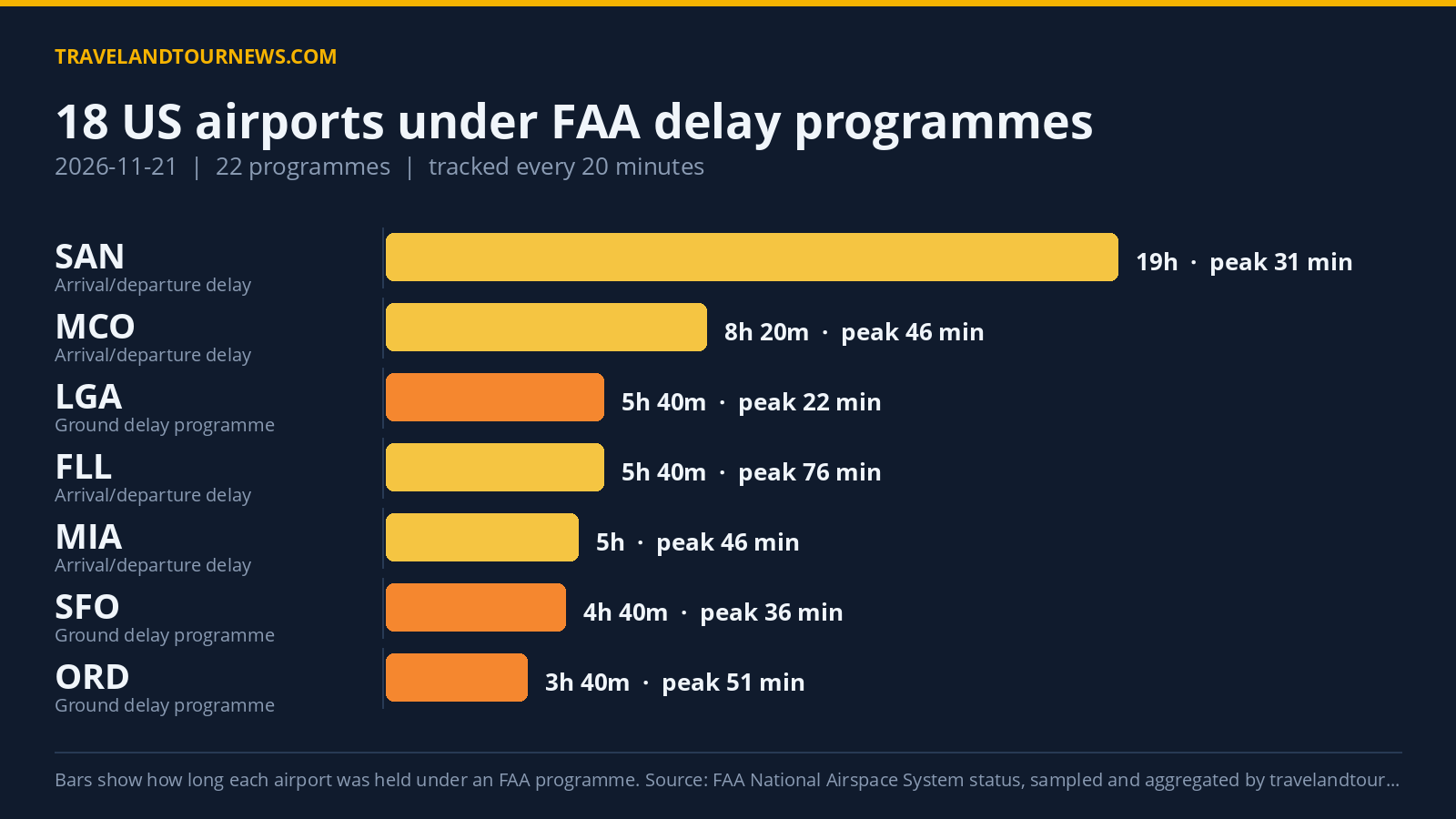
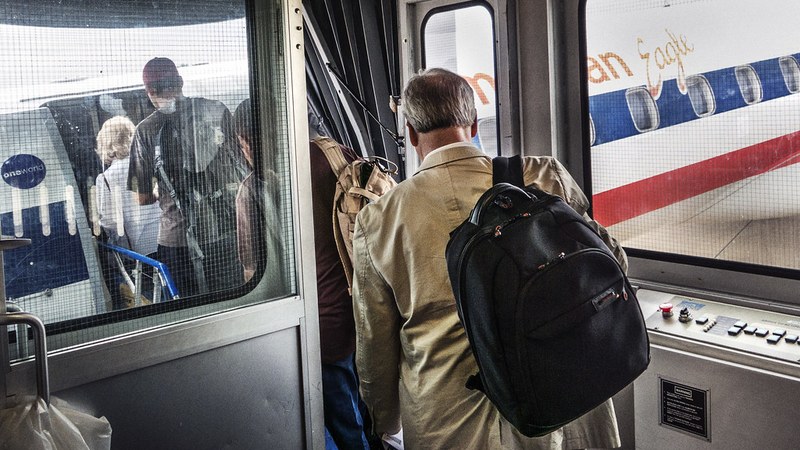
Departing flights at SFO faced average delays of 3 hours and 6 minutes during the ground stop, according to the FAA. The agency rated the chance of extending the ground stop as “medium.” The pause caused congestion with planes held
on runways and terminals crowded as departures were halted for multiple hours. The FAA attributed the stop to wind and weather conditions battering the Bay Area.
Ground Stop Procedures and Business Aviation Disruptions
The FAA uses ground stops as a safety tool when weather conditions render normal flight sequencing unmanageable. At a busy, single-runway-constrained airport like San Francisco, disruptions often persist after the ground stop is lifted due to queued departures, displaced aircraft, and crew duty time limitations. Business aviation operators, including charter and fractional flights, face distinct challenges as they lack hub-based rebooking options, often resulting in late departures or diversions to alternate Bay Area airports.
Recent Nationwide FAA Ground Stop and Officials’ Responses
This local ground stop follows a nationwide FAA ground stop on November 13, 2026, which lasted over four hours and delayed or cancelled more than 15,000 flights. Transportation Secretary Sean Duffy explained the nationwide disruption was caused by a “communication issue impacting all Air Route Traffic Control Centers” during an FAA network upgrade in Arkansas. Senator Tammy Duckworth declined to support a $50 billion FAA modernization funding request without a thorough spending plan and investigation into the equipment failure behind the national ground stop.
Additional Disruptions in the Bay Area and Industry Reactions
Hollywood Burbank Airport experienced at least two control tower outages, going ‘ATC Zero’ on November 18,
2026. During these outages, pilots for Southwest Airlines and Alaska Airlines self-coordinated takeoffs and landings via unicom frequencies for approximately 30 minutes. Meanwhile, ground transportation services in San Francisco, including Waymo cab operations, were suspended due to flooding caused by the storms.
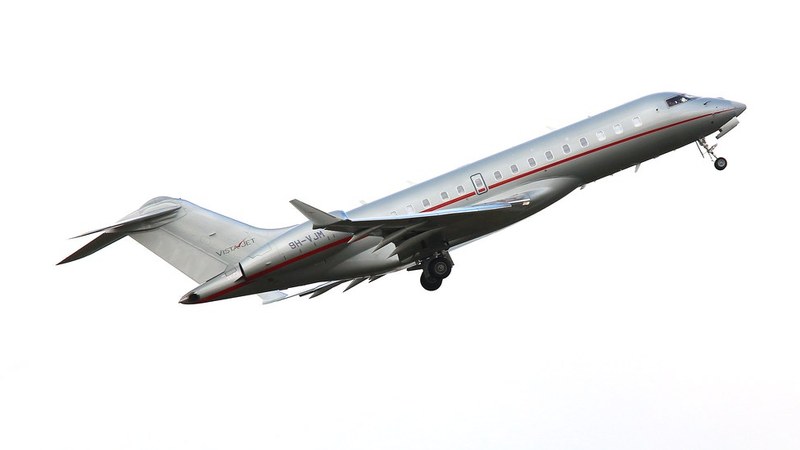
Vista America, a business aviation operator affiliated with VistaJet and XO, maintained top safety ratings from IS-BAO Stage 3, Wyvern Wingman PRO, and ARGUS Platinum Elite audits as of November 19, 2026, despite industry-wide disruptions.
FAA Infrastructure Upgrades and Technology Proposals
The FAA has been upgrading its air traffic control infrastructure from legacy copper wire to fiber optic cables to improve network reliability. The
nationwide ground stop on November 13 underscored infrastructure vulnerabilities. Entrepreneur Elon Musk suggested that Starlink satellite terminals might help resolve U.S. air traffic control communication issues, although details on how they would prevent outages remain unclear.