The Federal Aviation Administration (FAA) imposed a ground stop at San Francisco International Airport (SFO) on November 18, 2026, halting all departing flights due to severe wind and weather conditions caused by storms impacting the Bay Area. The action temporarily suspended departures as the storm generated hazardous conditions around the airport.
Storm Causes Delays and Flooding in San Francisco
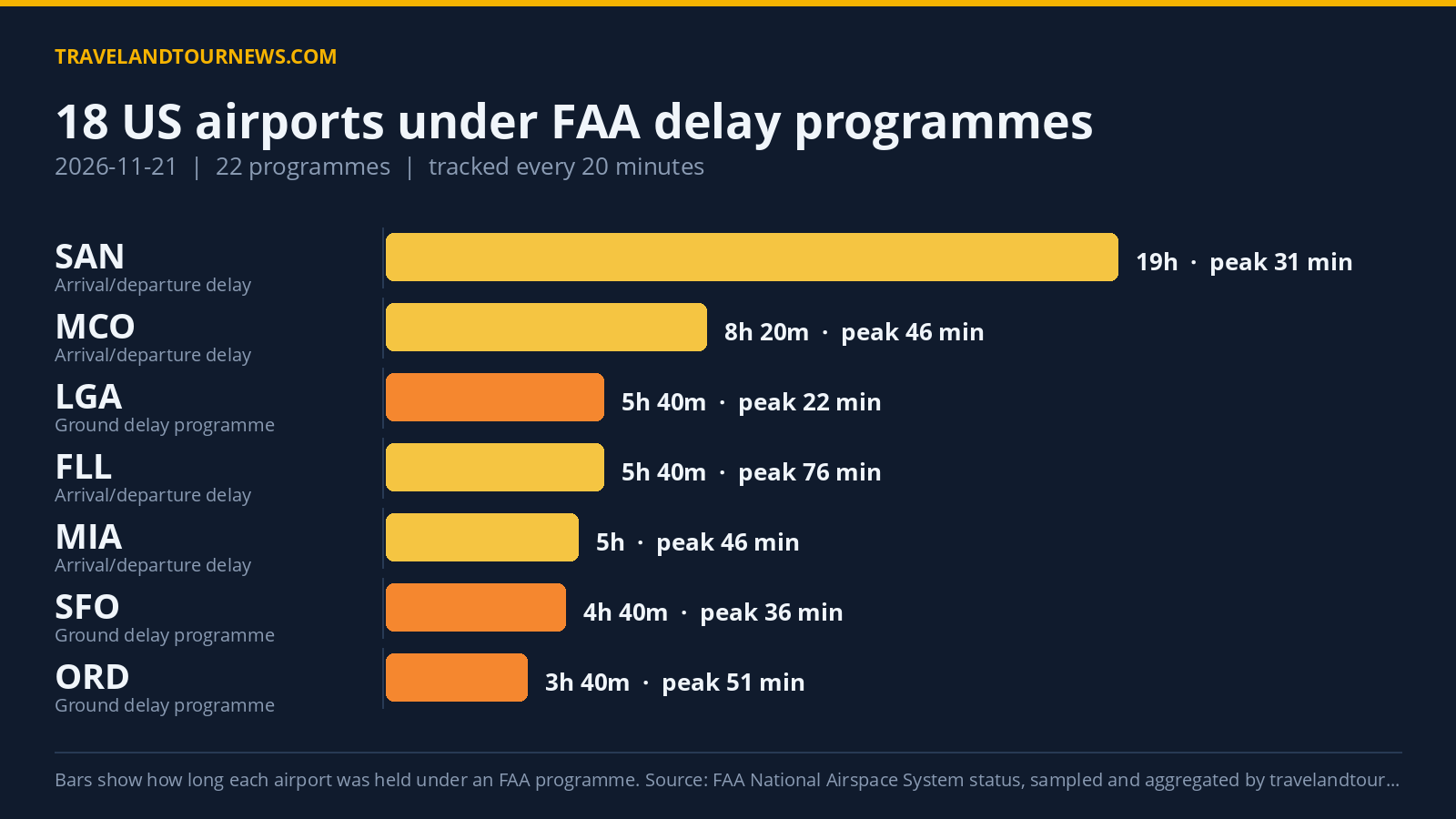
During the ground stop, departing flights at SFO faced delays averaging three hours and six minutes, according to the FAA. Downtown San Francisco recorded 1.85 inches of rainfall, approaching the daily precipitation record of 2.24 inches set in 1918. The heavy rain contributed to significant flooding in affected zones,
including southbound Interstate 280 near Geneva Avenue. The FAA assessed a medium likelihood that the ground stop could be extended depending on evolving weather conditions.
Operational Impact of the Ground Stop and Business Aviation Challenges
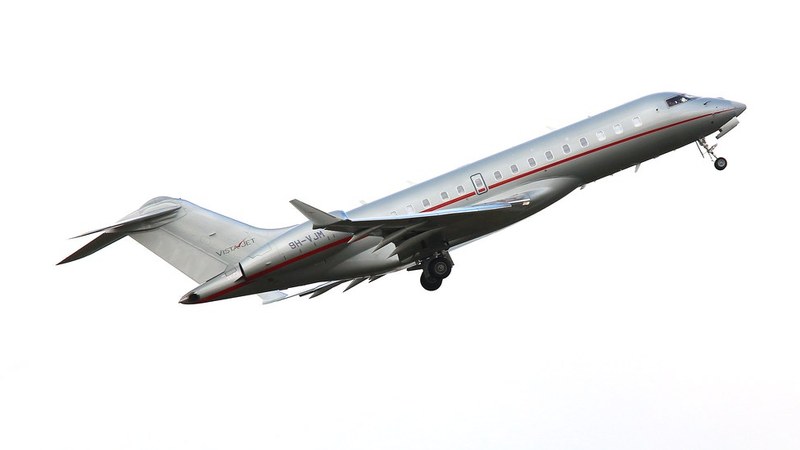
The ground stop caused aircraft to queue on runways, disrupting normal departure sequencing. Displaced aircraft and crew duty time restrictions extended travel disruptions beyond the immediate weather event. In the business aviation sector, operators like Vista America, serving VistaJet and XO clients, face distinct challenges; such flights lack hub networks for straightforward rerouting, often resulting in late departures or diversions that increase operational costs. Vista America announced it reaffirmed top safety audit ratings on November
19, 2026.
Related Air Traffic Control Disruptions and Official Reactions
On the evening of November 18, Hollywood Burbank Airport experienced at least two periods of ‘ATC Zero,’ during which air traffic controllers suspended normal operations for roughly 30 minutes each time. During these outages, pilots of Southwest Airlines and Alaska Airlines coordinated flights directly due to the FAA withholding cause information. Additionally, Senator Tammy Duckworth publicly opposed a $50 billion FAA modernization request, citing the need for a comprehensive spending plan and accountability for the communication failure behind the nationwide FAA ground stop that occurred the previous week.
Context of Recent Nationwide Air Traffic Control Disruptions
The FAA ground stop at SFO followed a nationwide U.S.
ground stop on November 13, 2026, that lasted over four hours, making it the longest such event in 25 years. That earlier stop resulted in more than 15,000 flights delayed or cancelled and highlighted vulnerabilities in the U.S. air traffic control system during equipment upgrades. The SFO incident reflects continuing challenges in managing air traffic amid infrastructure weaknesses and severe weather.