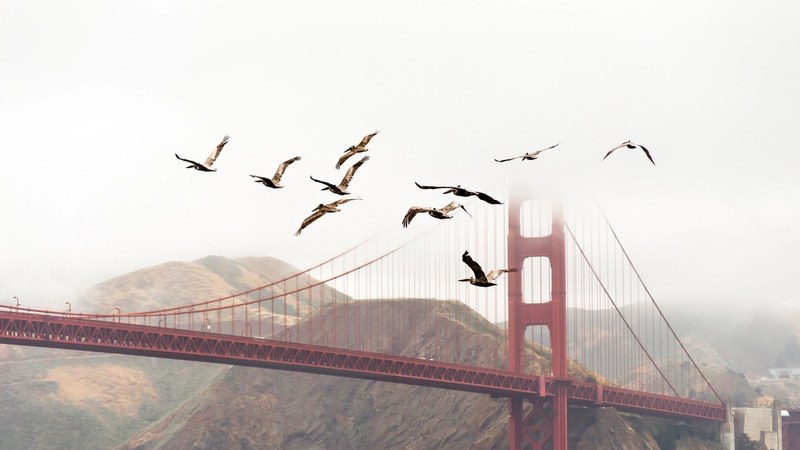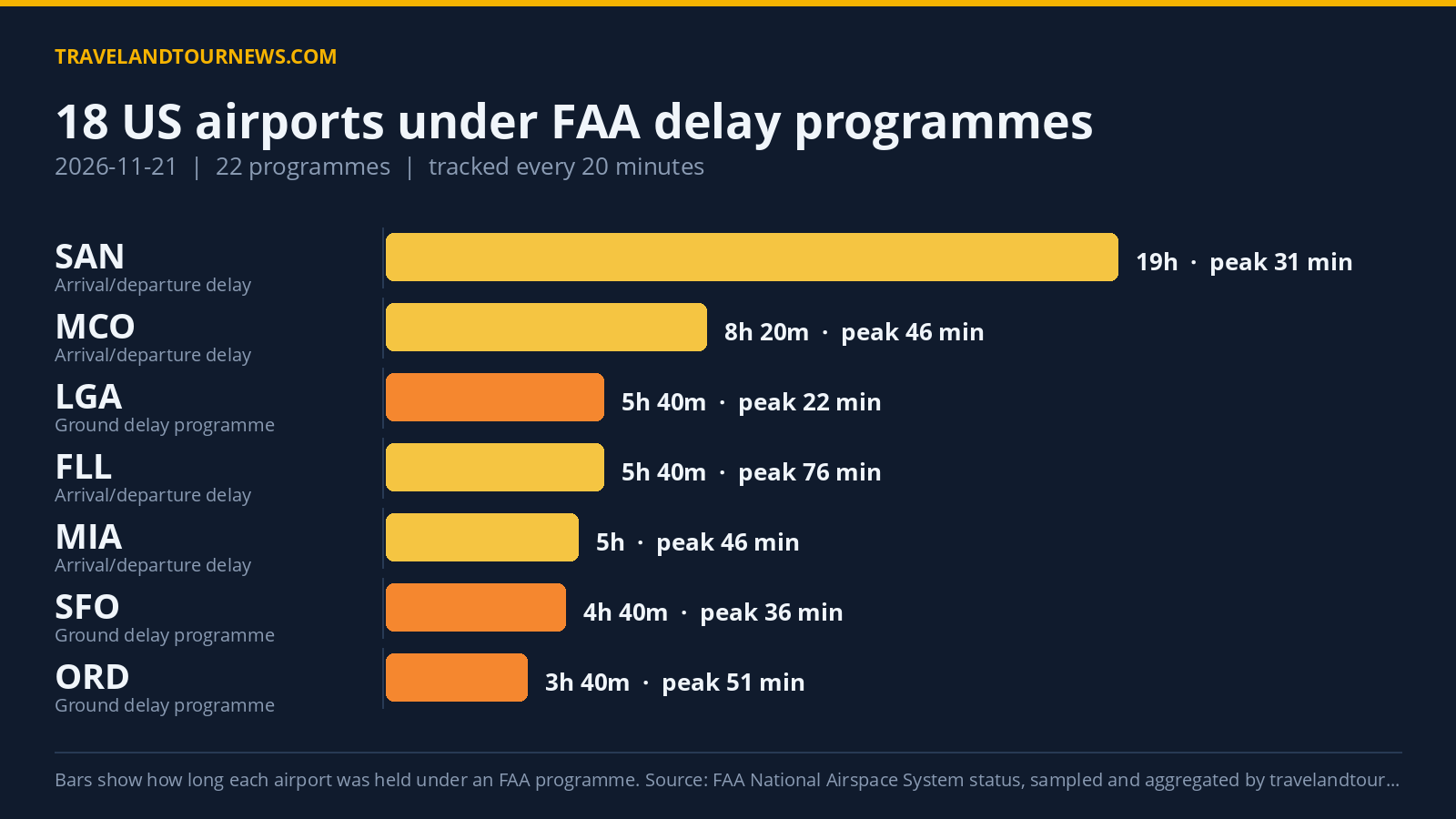
The FAA imposed a ground stop at San Francisco International Airport on November 19, 2026, due to severe storms and strong winds in the Bay Area. The ground stop halted departing flights for more than four hours, with the agency indicating a medium possibility of extending the halt based on weather developments.
Severe Weather Conditions and Flight Delays
On November 18, 2026, San Francisco recorded 1.85 inches of rain, approaching the daily rainfall record of 2.24 inches set in 1918. Flooding affected areas near the airport, including southbound Interstate 280 near Geneva Avenue. During the ground stop, average delays for departing flights reached 3 hours and
6 minutes.
Operational Impact on Flights and Business Aviation
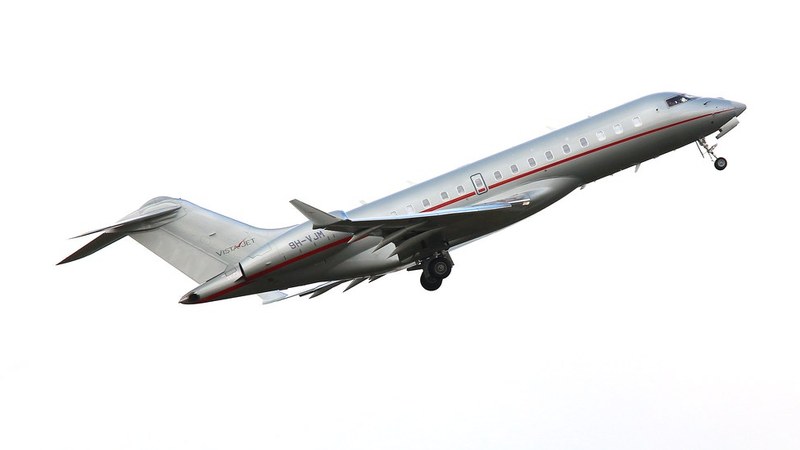
Flight delays and cancellations persisted beyond the ground stop’s end, driven by queued departures, displaced aircraft positioning, and crew duty limits. Business aviation operators such as Vista America, the operating partner for VistaJet and XO clients, faced unique challenges, often diverting flights to other Bay Area airports or experiencing late departures due to the lack of hub networks for quick rescheduling.
Related Disruptions at Hollywood Burbank Airport and Nationwide Context
On the evening of November 19, 2026, Hollywood Burbank Airport experienced ‘ATC Zero’ status twice, each lasting about 30 minutes. During these intervals, pilots from Southwest and Alaska Airlines self-coordinated flight operations via Common Traffic Advisory Frequency
(CTAF) without active air traffic control. These events coincided with a nationwide FAA ground stop on November 13, 2026, which lasted over four hours and disrupted more than 15,000 flights.
FAA Rationale and Ground Stop Implications
The FAA attributed the San Francisco ground stop to “wind and weather” conditions caused by Bay Area storms. Ground stops are employed to prevent unsafe or unworkable departure sequencing during adverse conditions. The FAA noted a medium chance of extending the ground stop depending on evolving weather. Extended ground stops increase delay backlogs due to aircraft queues, repositioning challenges, and flight crew duty time regulations.