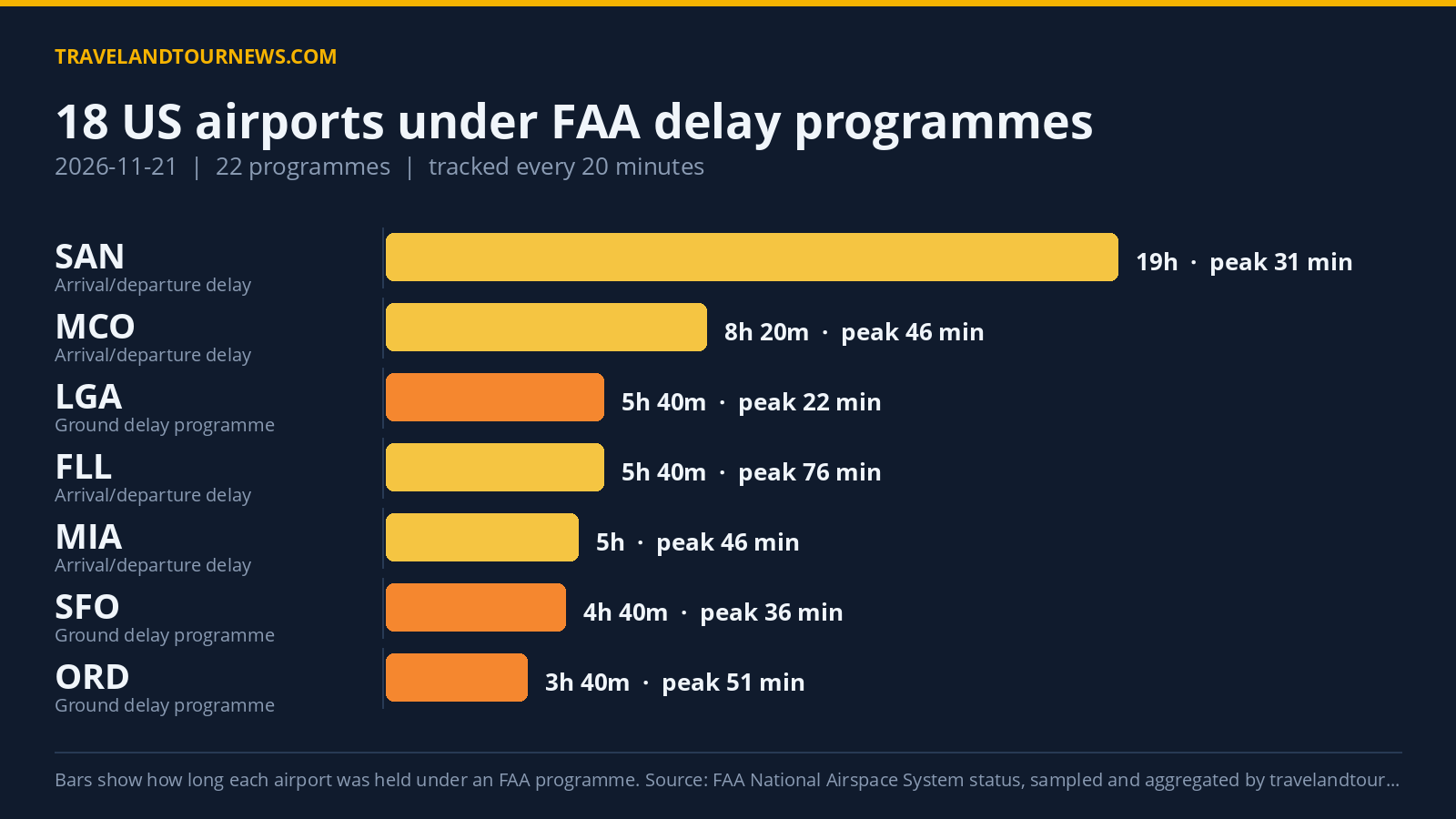
The Federal Aviation Administration (FAA) implemented a ground stop at San Francisco International Airport (SFO) on November 18, 2026, halting all departing flights due to severe storm conditions impacting the Bay Area. Downtown San Francisco recorded 1.85 inches of rainfall on the same day, nearing the 1918 daily rainfall record of 2.24 inches. Localized flooding was reported, including on southbound I-280 near Geneva Avenue, adding to operational challenges at the airport.
Ground Stop Causes Extended Delays Beyond Weather
Departing flights at SFO experienced average delays of 3 hours and 6 minutes during the ground stop. The FAA issues ground stops to hold departures when weather and wind
disrupt normal flight sequencing. Though the ground stop was lifted, delays continued due to departure queues, displaced aircraft, and crew duty time limits, prolonging disruption well past the cessation of severe weather.
Impacts on Passengers and Business Aviation
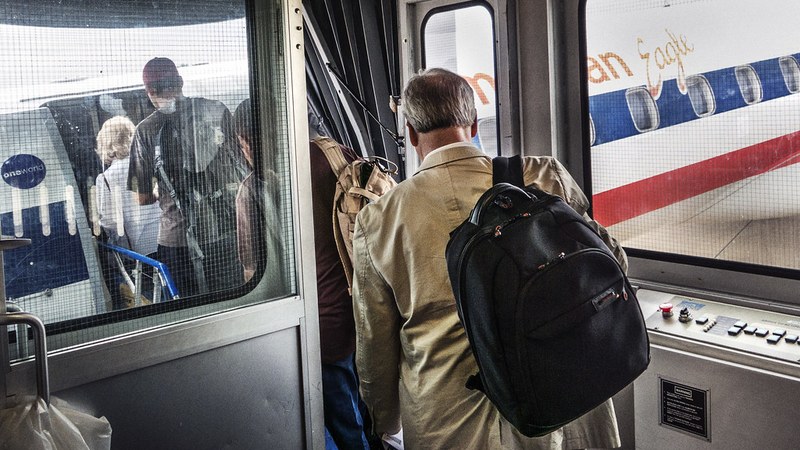
Passengers on departing flights at San Francisco International Airport faced substantial delays. Business aviation operators, including charters lacking hubs for rebooking, often encountered late departures or had to divert to other Bay Area airports, incurring increased operational costs. Travelers were advised to check with airlines for updated flight information amid ongoing disruptions.
Hollywood Burbank Control Tower Interruptions Affect Southwest and Alaska Airlines
On the evening of November 18, 2026, Hollywood Burbank Airport’s control tower went ‘ATC Zero’ twice,
each outage lasting about 30 minutes. During these outages, Southwest Airlines and Alaska Airlines pilots self-coordinated operations using Common Traffic Advisory Frequency (CTAF) without FAA air traffic control. The FAA offered no explanation for these control tower outages.
Recent FAA Ground Stops and Ongoing Challenges
This SFO ground stop followed a nationwide FAA ground stop on November 13, 2026, lasting over four hours and disrupting more than 15,000 flights—the longest U.S. ground stop in 25 years. That event was caused by a failure during routine FAA maintenance. The FAA holds sole authority to impose or extend ground stops regardless of airline operators, influencing flight schedules and causing
widespread disruptions nationwide.
FAA Assessment of Ground Stop Extension Probability
The FAA rated the likelihood of extending the ground stop at San Francisco International Airport as “medium.” Any extension depends on clearing the operational backlog from the pause. The FAA’s independent decisions on ground stop duration directly affect airport throughput during extreme weather events.
Safety Ratings and Operational Context
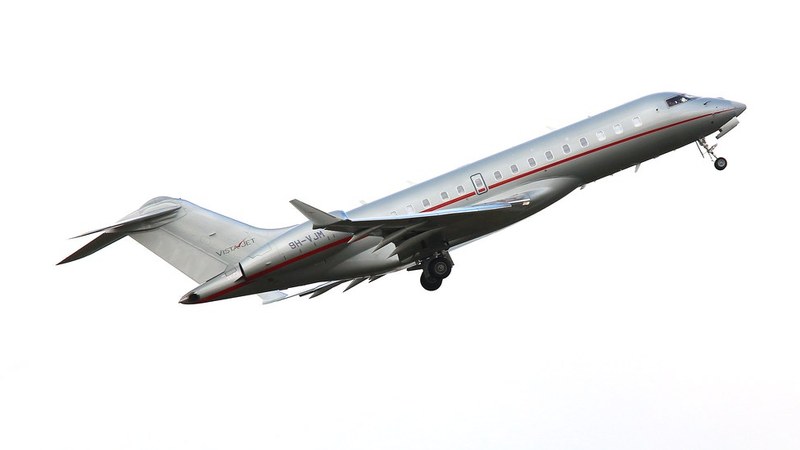
Vista America maintained top safety ratings from IS-BAO Stage 3, Wyvern Wingman PRO, and ARGUS Platinum Elite as of November 19, 2026. Weather-induced ground stops at congested single-runway airports like SFO cause cascading delays and rerouting costs for scheduled and charter operators. Unlike scheduled airlines, business aviation flights lack hub rebooking options, increasing
their exposure to delays and diversions during such events.