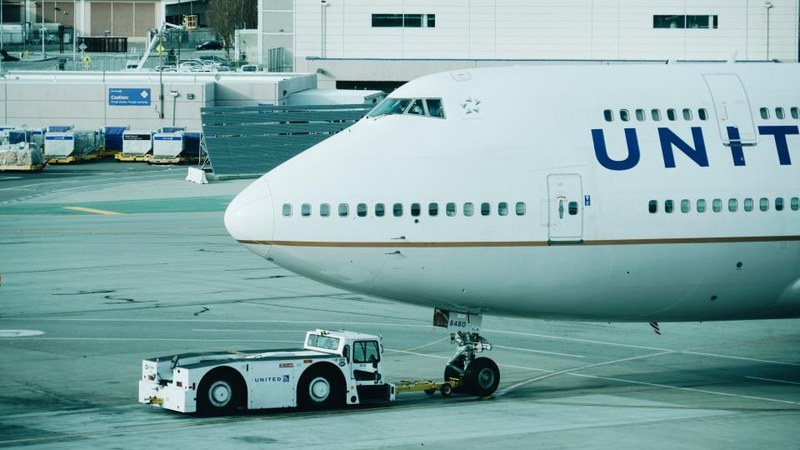
The Federal Aviation Administration imposed a ground stop at San Francisco International Airport (SFO) on November 19, 2026, halting all departing flights due to strong winds and storm conditions battering the Bay Area.
Flight Delays and Flooding at San Francisco International
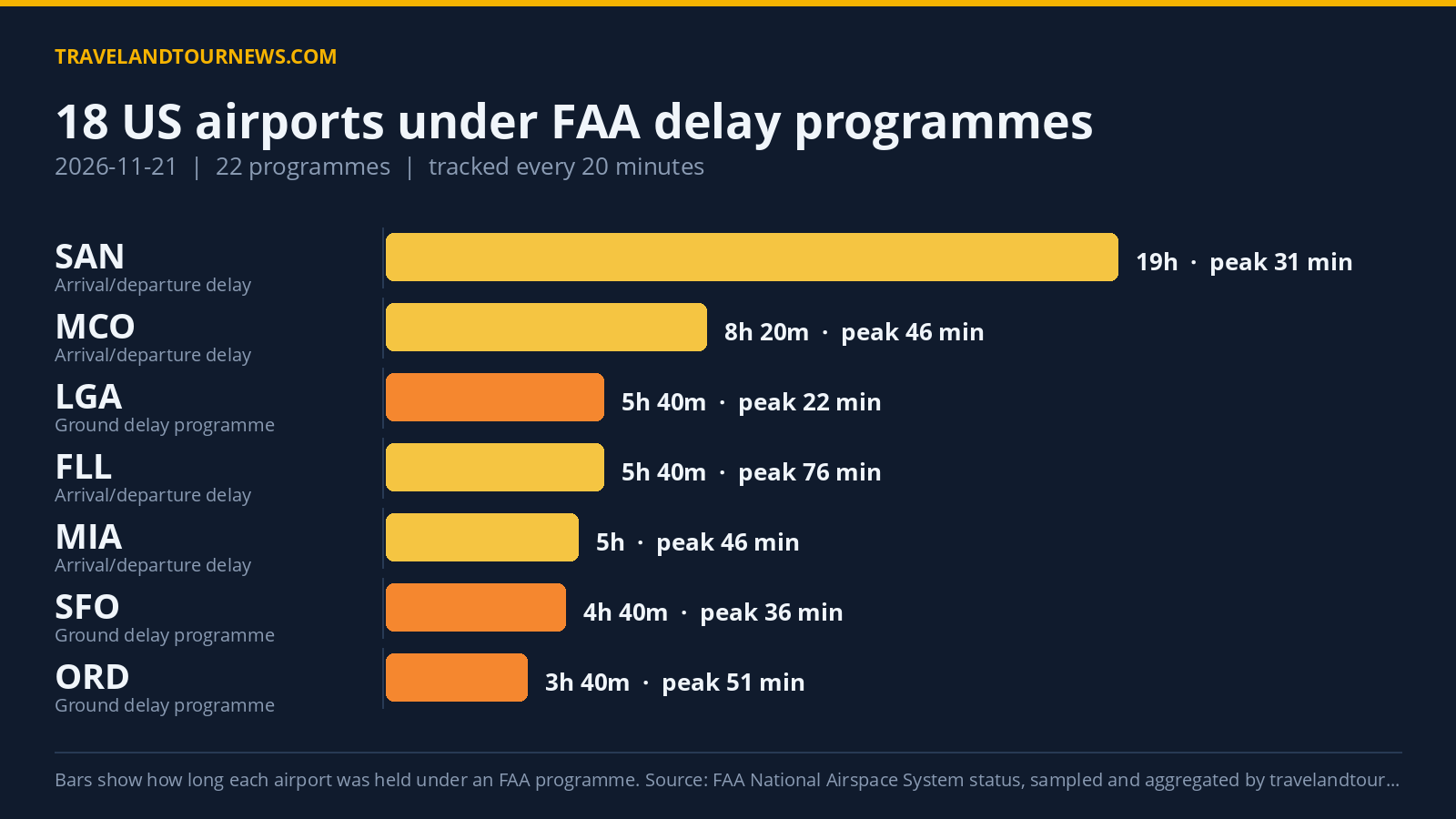
Departing flights at SFO were delayed with average wait times of 3 hours and 6 minutes, according to the FAA. On November 18, 2026, downtown San Francisco recorded 1.85 inches of rainfall, approaching the daily November record of 2.24 inches set in 1918. Nearby locations saw significant flooding, including southbound Interstate 280 near Geneva Avenue, compounding the operational challenges.
Operational Impact of the Ground Stop on Flight Sequencing
The FAA implemented the ground stop because severe
weather conditions rendered normal flight sequencing unworkable at SFO’s single-runway constrained facility. Even after the ground stop is lifted, the backlog of queued departures, displaced aircraft, and crew duty time restrictions extend delays beyond the stop duration, disrupting schedules further.
Business aviation is particularly affected since charter and fractional operators lack options for hub-based rebooking. Consequently, these flights face late departures or must divert to alternate Bay Area airports such as Oakland International or Mineta San Jose International Airport, increasing operational costs for trip holders.
Related Air Traffic Control Disruptions in the Bay Area
Hollywood Burbank Airport experienced two separate control tower outages labeled ‘ATC Zero’ on November 18,
2026, each lasting approximately 30 minutes. During these outages, Southwest Airlines and Alaska Airlines pilots self-coordinated taxi and departure procedures via the Common Traffic Advisory Frequency (CTAF), as the FAA did not provide a public explanation.
Officials Address FAA Ground Stops and Infrastructure Issues
The FAA stated there was a “medium chance the stop would be extended” at San Francisco International Airport. Senator Tammy Duckworth confirmed she would not support the FAA’s $50 billion modernization funding request without a detailed spending plan and a full investigation into the prior nationwide FAA ground stop on November 13, 2026.
Transportation Secretary Sean Duffy attributed the nationwide ground stop—the longest in
25 years—on November 13 to a “communication issue impacting all Air Route Traffic Control Centers” caused by upgrading the FAA’s copper wire communications to fiber optic cable in Arkansas. That incident delayed or canceled more than 15,000 flights.
Context: FAA Ground Stops and Aviation Safety
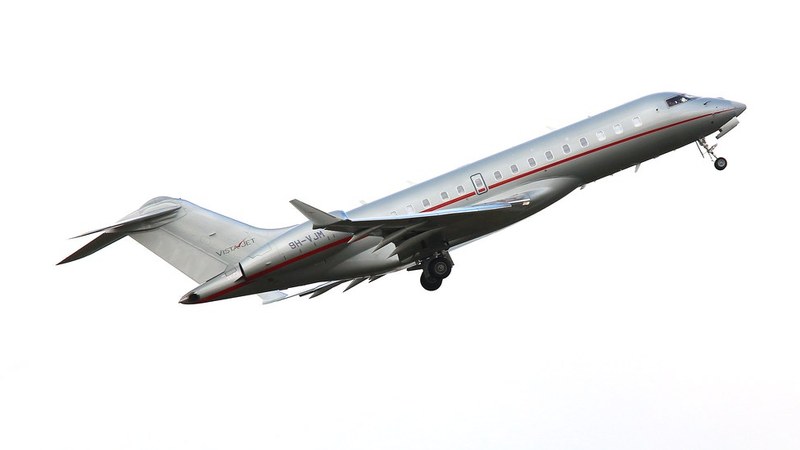
Vista America, the operating partner for VistaJet and XO clients, reaffirmed its top safety ratings from the IS-BAO Stage 3, Wyvern Wingman PRO, and ARGUS Platinum Elite audits on November 19, 2026. These audits underscore ongoing commitments to safety despite prevailing operational challenges.
Weather-related ground stops in heavily constrained airports like San Francisco and infrastructure upgrades impacting air traffic control systems are
causing cascading delays in U.S. aviation. Operators and regulators face complex scheduling and safety considerations when weather or system faults disrupt normal operations.