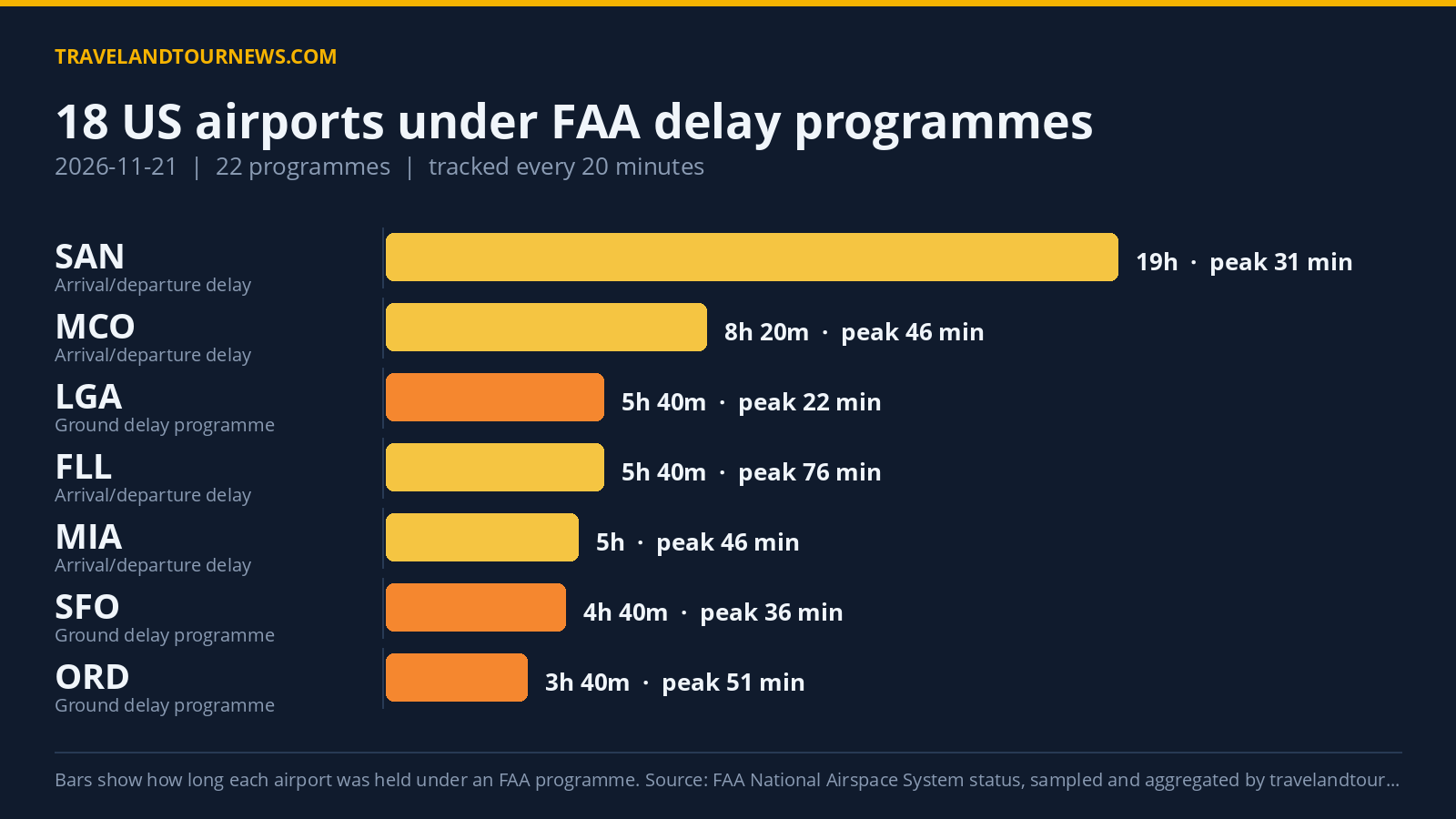
On November 18, 2026, the Federal Aviation Administration (FAA) issued a ground stop at San Francisco International Airport, halting all departing flights for more than four hours due to severe storms and high winds hitting the Bay Area.
The FAA reported average departure delays of 3 hours and 6 minutes during the ground stop. That day, downtown San Francisco experienced 1.85 inches of rainfall, approaching the city’s daily record of 2.24 inches set in 1918. Flooding occurred in parts of the region, including major inundation on southbound I-280 near Geneva Avenue.
Weather Impact and Ground Stop Mechanics
The ground stop is a regulatory measure used by
the FAA to hold departures when airport conditions make safe sequencing unfeasible. At busy, capacity-limited airports like San Francisco International, such a pause creates a queue of aircraft and crew displacements that disrupt normal schedules beyond the end of the stop.
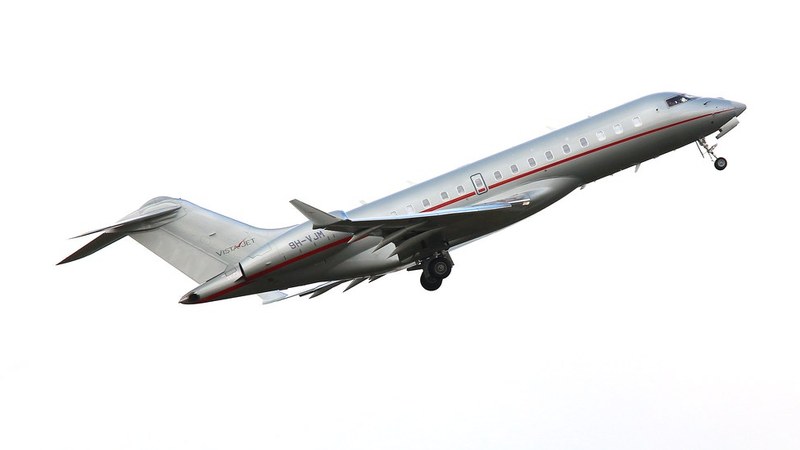
Due to flooding and severe weather conditions, some flights faced delayed or diverted departures. Business aviation operators, lacking airline hubs for rebooking, often experience late departures or must reroute to other Bay Area airports during these stops, increasing operational challenges and costs.
Traveler Disruptions Continue
After the FAA lifted the ground stop later on November 18, ongoing adverse weather led to continued
cancellations and delays at San Francisco International Airport. The FAA had assessed a “medium” probability of extending the ground stop but ultimately did not extend it. However, recovering normal operations remains gradual as the airport and airlines work through the backlog and crew duty limitations.
FAA and Political Context
The FAA’s decision-making on ground stops occurs independently from airlines and other operators and directly affects all scheduled departures. Senator Tammy Duckworth declined to support a $50 billion FAA modernization request without a clear spending plan and a thorough review of recent equipment failures, referencing a nationwide ground stop the previous week.
Such airport-specific ground
stops cause cascading delays and rerouting expenses for all operators using the affected airport. Business aviation faces unique difficulties as its charter and fractional flights cannot rely on hub-based rebooking systems common to commercial airlines.