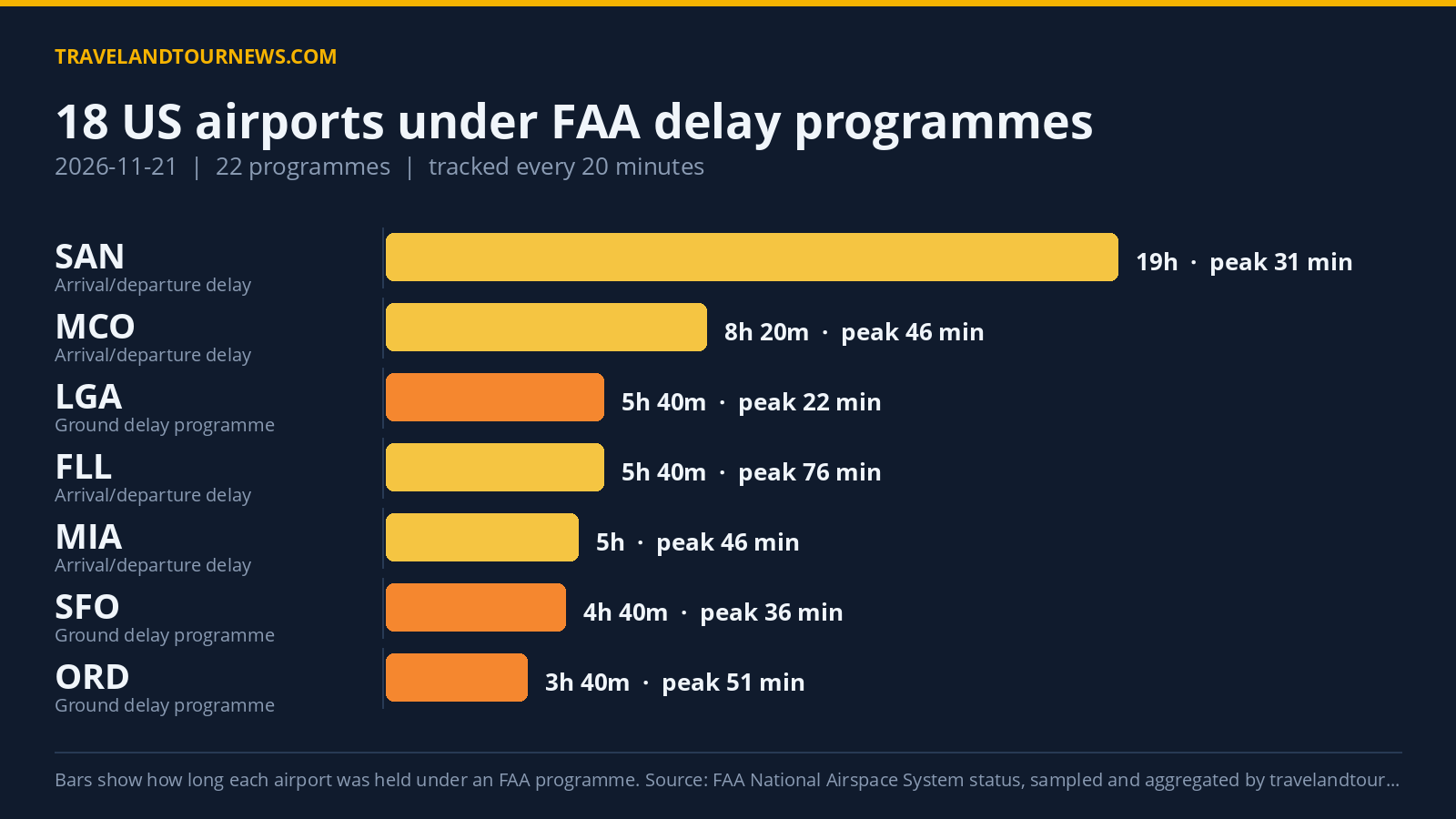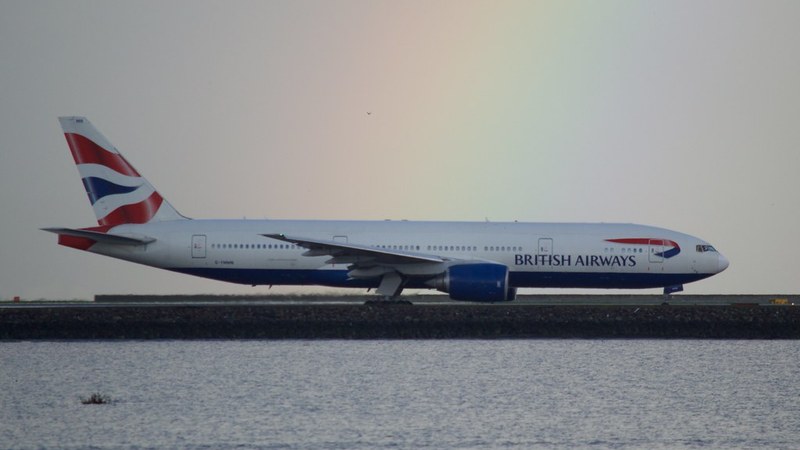
The Federal Aviation Administration (FAA) issued a ground stop at San Francisco International Airport (SFO) on November 18, 2026, halting all departing flights for over four hours due to wind and storm conditions affecting the Bay Area. Departures during the stoppage experienced average delays of 3 hours and 6 minutes, according to the FAA.
Storm Conditions and Flooding in San Francisco
On the same day, downtown San Francisco recorded 1.85 inches of rainfall, approaching the daily record of 2.24 inches set in 1918. Severe storms caused significant flooding across the region, including on the southbound lanes of Interstate 280 near Geneva Avenue, further complicating travel logistics in
the Bay Area.
Flight Delays and Departing Traffic Impacts
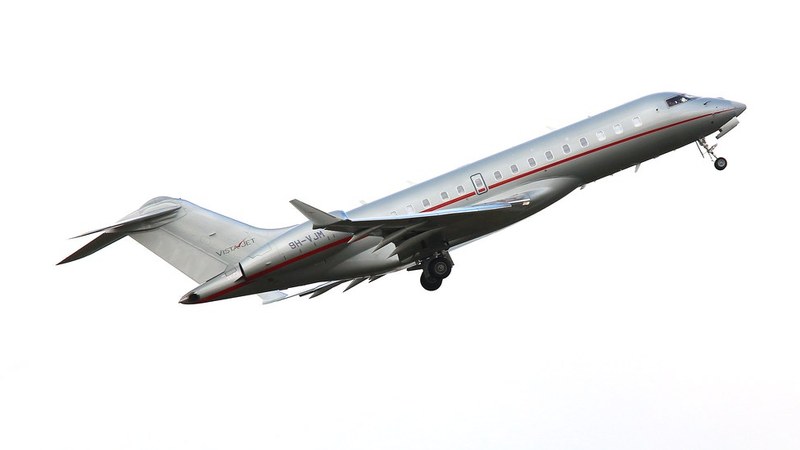
The FAA ground stop aimed to prevent departures during unsafe weather and operational conditions. However, even after the lift of the ground stop, the heavy backlog of queued departures, displaced aircraft, and crew scheduling constraints prolonged flight disruptions through November 19. Business aviation operators, including those affiliated with Vista America, reported challenges as they lack hub structures for rebooking and often needed to divert or delay departures.
Other Regional Air Traffic Control Disruptions
Hollywood Burbank Airport’s control tower experienced two separate ‘ATC Zero’ periods on the evening of November 18, lasting approximately 30 minutes each, forcing Southwest Airlines and Alaska Airlines pilots to
coordinate flight operations without assistance over common traffic advisory frequencies. The FAA did not disclose reasons for these outages. Vista America confirmed it retained top safety audit ratings on November 19, 2026.
FAA Modernization Debate and Previous Nationwide Ground Stop
Senator Tammy Duckworth announced opposition to the FAA’s $50 billion modernization funding request without a clear spending plan and transparent review of the equipment failures that caused the nationwide FAA ground stop on November 13, 2026. That event lasted over four hours, delaying or canceling more than 15,000 flights nationwide, the longest in 25 years. Separately, Elon Musk suggested that Starlink terminals could address vulnerabilities in U.S. air
traffic control systems following the November disruptions.