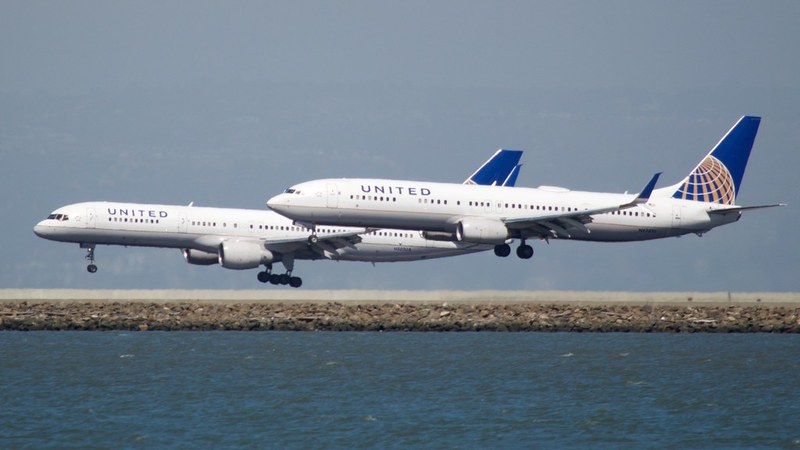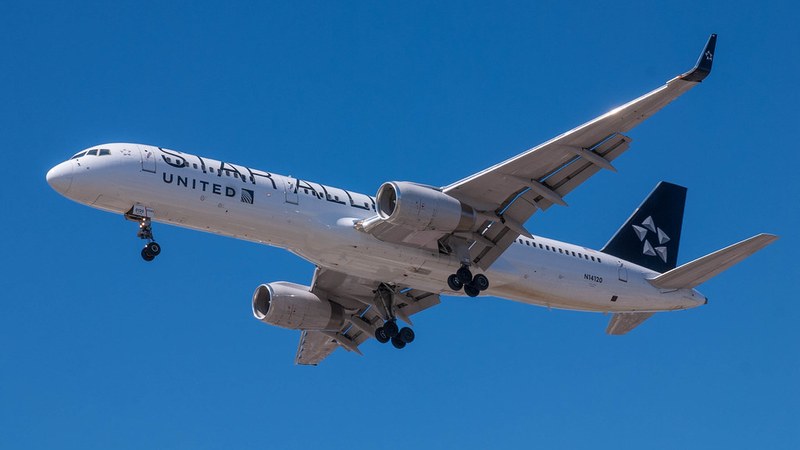
The Federal Aviation Administration (FAA) issued a temporary ground stop at a major Northeast US hub on September 3, 2026, resulting in a cessation of most scheduled arrivals and departures for several hours. This measure sharply reduced takeoffs and landings, significantly disrupting airline operations during a critical travel period.
Convective Weather and Air Traffic Congestion Prompt FAA Restrictions
The ground stop and extended ground delay programs came in response to convective thunderstorms, heavy airspace congestion, and existing staffing shortages in the Northeast corridor. These conditions forced the FAA to implement layered traffic management initiatives at New York LaGuardia, John F. Kennedy International, Newark Liberty, Philadelphia International, and Teterboro airports.
Severe weather repeatedly constrained arrival and departure flows, leaving airspace saturated and arrivals delayed.
Cascading Global Impact on Flights
The disruption at the unnamed Northeast hub extended beyond the region, triggering hundreds of flight cancellations and significant delays across routes to Europe, Latin America, and Asia. Airline and tracking platforms recorded numerous flights canceled to avoid aircraft and crew being stranded due to the airspace restrictions. Long-haul services were severely affected, with some widebody aircraft grounded for hours or removed from schedules entirely.
Passengers on multi-leg itineraries commonly missed connections, necessitating rebookings onto later flights or alternative routings through other major US hubs such as
Chicago, Dallas, and Atlanta. The ripple effect caused widespread schedule adjustments continuing up to 48 hours after the initial ground stop was lifted.
Passenger Rebooking and Airport Service Challenges
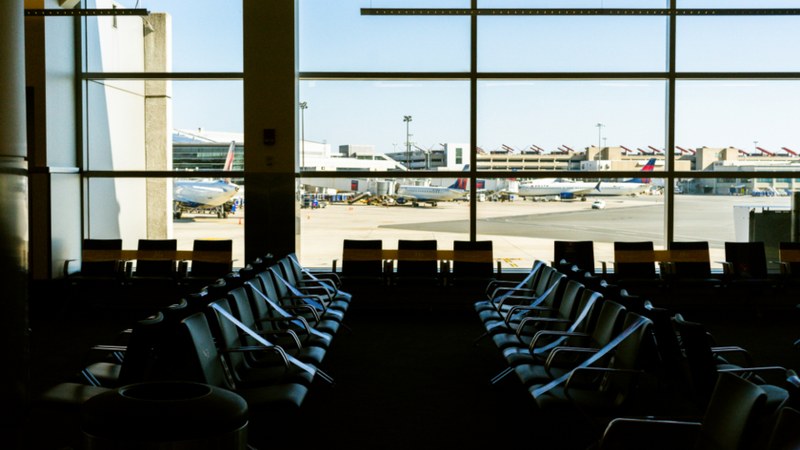
Travelers received rebooking notifications during the night or shortly before scheduled departures. Widespread missed connections resulted in increased passenger wait times and congestion at airport gate areas and check-in counters. Airport operations teams at the affected hub and feeder airports expanded customer service staffing to handle the surge in demand and manage long queues.
Airline Responses and Operational Adjustments
After the FAA lifted the ground stop, airlines reassigned widebody aircraft typically used for long-haul routes to reduce domestic backlogs. This reallocation temporarily
decreased long-haul capacity while aiding in clearing delayed passengers domestically. Airlines waived change fees and actively encouraged travelers to use self-service tools and monitor flight status through real-time FAA data and airline communications.
Seasonal Disruption Context and Traffic Management
Such ground stops and ground delay initiatives are common in peak travel seasons within the congested and weather-prone Northeast US airspace. The event underscored how a single hub’s traffic restrictions can disproportionately impact global air traffic due to the tightly linked network. The FAA advisories noted that these measures were expected and extended in some cases as weather and congestion persisted. Similar though less severe disruptions have
occurred multiple times in major US coastal and Midwestern hubs earlier in 2026.