Denver International Airport (DEN) reached a record high temperature of 102 degrees Fahrenheit on August 17, 2026, breaking previous records dating back to 1878. A heat advisory was active along the I-25 corridor as smoke from wildfires in the Pacific Northwest degraded air quality around the airport.
The afternoon brought a cold front that sharply lowered temperatures by 50 to 60 degrees overnight. Wind gusts up to 40 miles per hour produced unstable atmospheric conditions, triggering significant turbulence airside at Denver. The convergence of hot and cold air masses caused wind shear and severe air disturbances.
FAA Ground Stop and Flight Diverting
The FAA implemented a
ground stop on August 17, 2026, at Denver International Airport due to the severe weather. A total of 29 flights were diverted primarily to Colorado Springs Airport (COS). Among the affected airlines were Southwest Airlines, United Airlines, and SkyWest Airlines. Several of these diverted flights have been repositioned back to Denver as conditions improved.
Passenger Turbulence and Medical Incidents
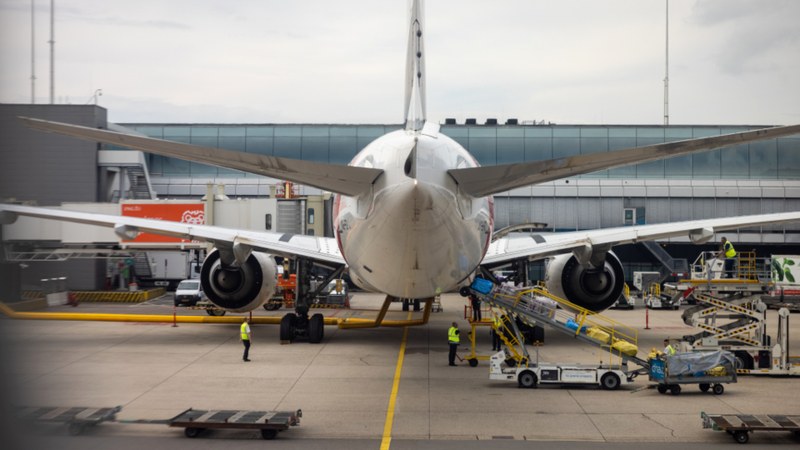
Passengers experienced intense turbulence as inbound flights approached Denver amid the severe weather. Five individuals required medical treatment for injuries sustained during turbulence, with one patient transported to a local hospital in stable condition. Reports from passengers include descriptions of the harshest turbulence they have encountered
and several emergency medical pickups by ambulance after landing.
Flight crews sought to maintain cabin calm during turbulent phases, with frequent announcements trying to manage tension on affected flights.
Flight Delays, Cancellations, and Passenger Impact
Flight operations at Denver faced widespread disruptions on August 17, 2026. Approximately 40% of outbound flights were delayed, and 32% of inbound flights faced delays. Approximately 3% of the total scheduled flights were canceled due to the weather and related operational challenges. Some travelers reported connecting flights missed due to earlier delays, leading to multiple subsequent rescheduling and delays extending flights as late as midnight.
Passengers affected by crew duty limits
on delayed flights sometimes switched to ground transportation such as Uber to reach Denver, reflecting cascading impacts on passenger journeys.
Ongoing Weather and Turbulence Patterns
Following the cold front’s passage, conditions on August 18 improved with temperatures dropping to between 75 and 80 degrees Fahrenheit. Although gusty winds and wildfire haze persisted, heat advisories were lifted along the I-25 corridor. Turbulent air mass moved northeast towards the Great Lakes and the Northeast regions, including parts of eastern New York and New England, where unstable air conditions continued into the morning.