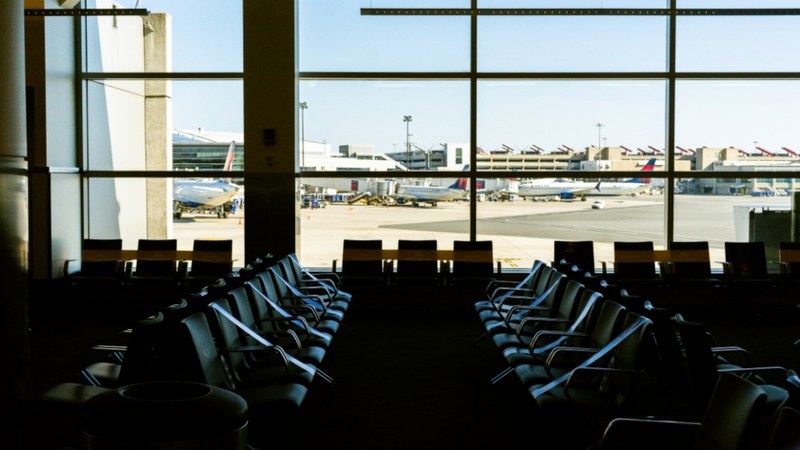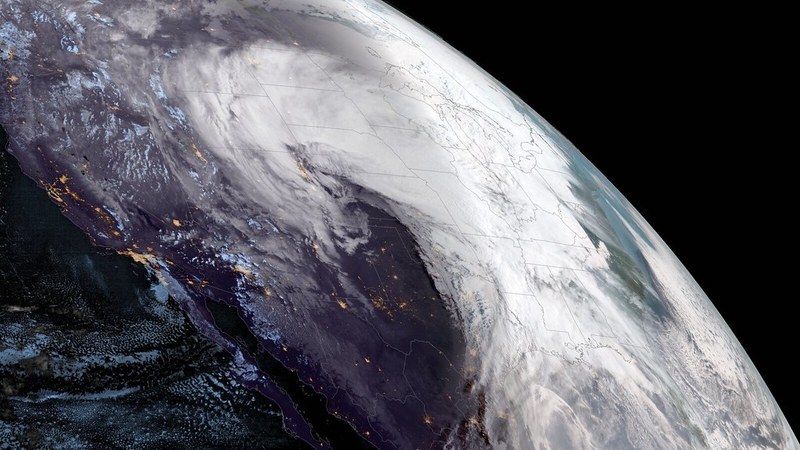
On August 14, 2026, the Federal Aviation Administration (FAA) imposed a ground stop at Denver International Airport (DEN) starting at 3:25 p.m. due to severe thunderstorms affecting the Colorado Front Range. The storms brought heavy rain, hail, and flash flooding risks across the Denver metro area and Castle Rock, forcing the FAA to suspend inbound flights to ensure safety.
Flight Delays and Cancellations by Airline
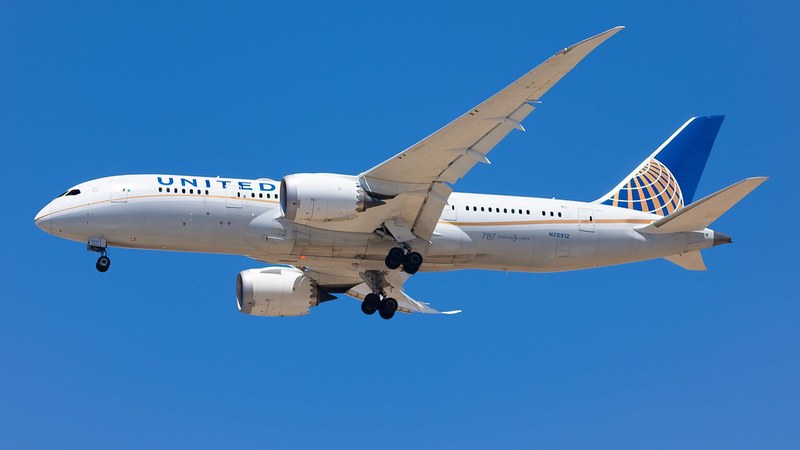
FlightAware tracking data recorded 689 delayed flights and 22 cancellations at DEN by the end of the day. United Airlines experienced 216 delayed flights with four cancellations, holding its position as the airport’s second-largest hub. Southwest Airlines faced 249 delays and
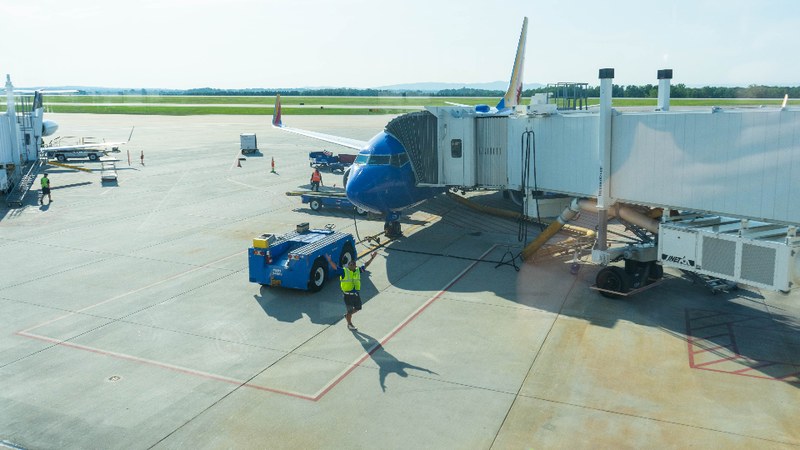
three cancellations, reflective of DEN being the airline’s most-served airport. Regional carrier SkyWest had 157 delayed flights along with 10 cancellations. Frontier Airlines, which counts DEN as its second-busiest airport, cancelled eight flights amid the disruption.
FAA Ground Stop Protocol and Operational Impact
The ground stop is the FAA’s most restrictive traffic management tool, used when airport arrivals drop sharply or halt due to weather. Instead of allowing airborne planes to hold patterns over DEN, aircraft remained at their departure airports, reducing congestion in the airspace. The weather systems created conditions that cut airport capacity, producing delays averaging 1 hour and 44 minutes on affected flights.
Seasonal Weather Patterns and Historical Disruptions
The
severe storms resulted from a North American Monsoon moisture surge, which routinely generates fast-developing afternoon thunderstorms in the High Plains from mid-July through August. Convective storm cells and strong outflow winds across DEN’s runways contributed to diminished operations. This event followed a similar disruption on August 12, 2026, where the FAA issued a nationwide ground delay program for DEN-bound flights, causing average arrival delays of 144 minutes. Previous incidents this summer have also caused major delays, including nearly 800 delayed flights and 27 cancellations from a ground stop at the end of July.
Denver International’s Role in National Air Traffic
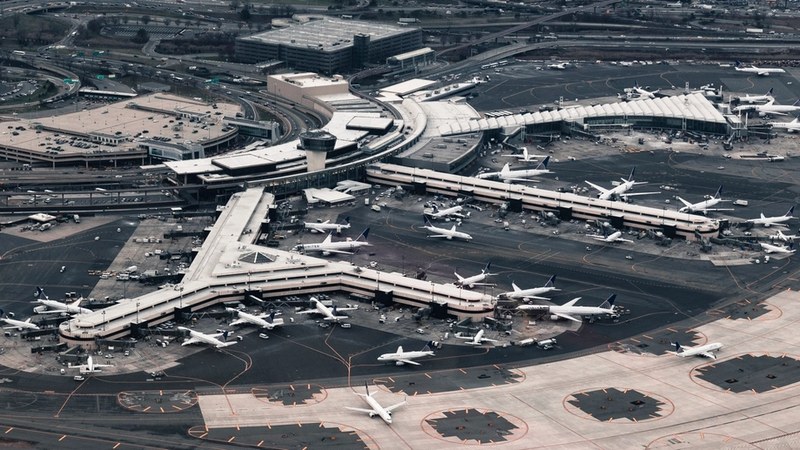
Denver International, covering 53 square miles, is
the fourth-busiest U.S. airport by passenger volume, serving over 82.4 million travelers in 2025. United Airlines carried 41.4 million passengers through its DEN hub last year, up 6.3% from 2024. Together with Southwest and Frontier, these airlines control 88% of the airport’s available seat capacity. Due to its elevation and vulnerability to convective storms, DEN is classified by the FAA among the “Core 30” U.S. airports most prone to weather-driven ground stops and delay programs. Such events can cause cascading impacts across the national air traffic system.