The Federal Aviation Administration issued a ground stop on August 1, 2026, at Hartsfield-Jackson Atlanta International Airport, leading to cancellation of more than half of Delta Air Lines’ scheduled departures at its largest hub within hours. Hundreds of Delta flights were canceled or significantly delayed due to this FAA traffic management action.
Impact on Delta’s Hub Operations and Network
The ground stop severely disrupted Delta’s tightly banked schedule at Atlanta, where the airline coordinates intense waves of arrivals and departures to facilitate connections. This disruption cascaded throughout Delta’s network, causing delays and cancellations in other major cities including New York, Detroit, Minneapolis, and Salt Lake City, as
aircraft and crews were unable to reposition on schedule. Delta’s dependency on its Atlanta hub for domestic and international routing magnified the operational impact of the halt.
Passenger Experience Amid the Disruption
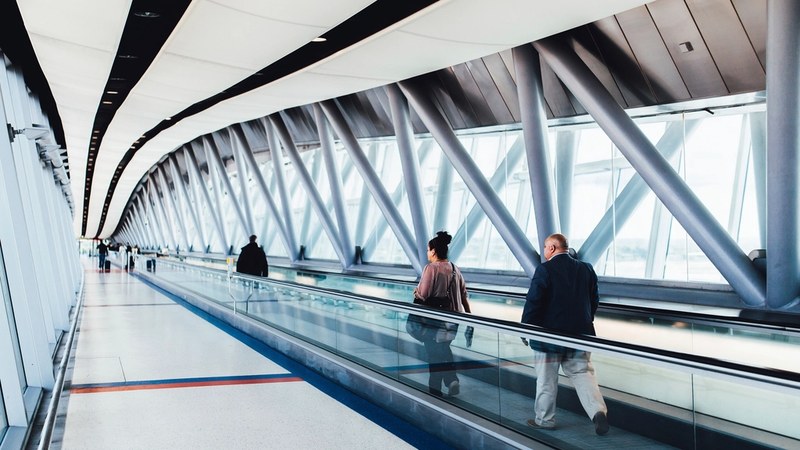
Passengers at Hartsfield-Jackson faced crowded concourses and overwhelmed customer service areas as many travelers faced cancellations and lengthy delays, including some overnight waits. The summer peak travel period compounded difficulties in rebooking affected customers, as planes were operating near full capacity, limiting available seats on alternative flights or connecting itineraries through other hubs.
FAA Ground Stops as a Traffic Management Tool
FAA ground stops are implemented when airspace congestion, safety limitations, or capacity constraints prevent safe and orderly departure flows. Delta’s
operational model, which relies on coordinated waves of flights at Atlanta, is vulnerable to disproportionate disruption when departure flows are halted, causing knock-on effects from crew scheduling limits, maintenance requirements, and airport curfews that force cancellations beyond the original ground stop period.
Ongoing Recovery and Traveler Guidance
After the ground stop is lifted, residual delays and cancellations are expected to continue for at least one day due to displaced aircraft and crew. Passengers affected on August 1, 2026, face ongoing challenges with re-accommodation. Alternative routing through other airports or carriers may be necessary as the network gradually recovers from the operational pause at Atlanta.