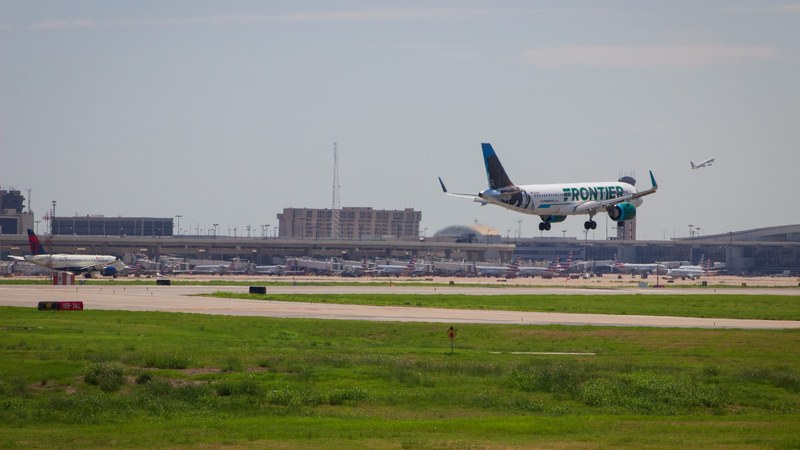
An FAA ground stop was in place at Hartsfield-Jackson Atlanta International Airport on August 2, 2026, temporarily halting departures and restricting aircraft movements to those already airborne.
More than half of Delta Air Lines’ scheduled flights at its primary hub in Atlanta were either canceled or significantly delayed. This led to extensive cascading delays within Delta’s domestic network, forcing numerous passengers to endure missed connections and overnight stays inside crowded airport terminals.
Ripple Effects on Other Delta Hubs and Routes
The disruption at Atlanta extended beyond the airport, affecting other Delta hubs and focus cities connected to the network. Aircraft and crews fell out of their scheduled rotations
due to the departure freeze, reducing the airline’s ability to operate downstream flights safely and legally because of crew duty time limits and disrupted aircraft rotations.
Routes involving connections through Atlanta experienced multiple cancellations and delay rollouts, complicating rebooking efforts for passengers and leading to operational challenges across Delta’s entire domestic system.
Passenger Experience and Terminal Conditions
Passengers at Atlanta airport confronted crowded concourses with long lines for customer service. Many travelers struggled to rebook due to overwhelmed mobile apps and limited alternatives. Hotel accommodations near the airport were scarce, resulting in many passengers remaining inside terminals overnight.
Those traveling to smaller cities reliant on
Atlanta for connections found fewer rebooking options. Frequent flyers and business travelers highlighted increased vulnerability when journeys rout through Atlanta’s tight hub operations.
FAA Ground Stop Purpose and Operational Impact
The Federal Aviation Administration employs ground stops to manage air traffic flow and ensure safety during severe weather, technical issues, or operational concerns. Ground stops prevent additional flights from departing to constrained airports to avoid congestion in airspace or facilities.
At a major hub like Atlanta, a ground stop shuts down scheduled departures and disrupts incoming flights. The resulting misalignment of aircraft and crew schedules, compounded by legal duty time limits, forces airlines to cancel flights even
after the ground stop ends, severely limiting operational recovery capacity.
Background on Delta’s Operational Resilience
Delta’s hub-and-spoke system depends on precise crew scheduling and high aircraft utilization, leaving little margin for error. Recent peak travel periods have exposed vulnerabilities due to weather, technology failures, and staffing imbalances.
The tightly optimized network struggles to absorb prolonged interruptions like the extensive ground stop on August 2, extending delays, increasing cancellations, and complicating recovery efforts beyond the day of the disruption.
Passenger advocates encourage affected travelers to respond quickly to rebooking opportunities and explore alternative airports or ground transportation when same-day flights are unlikely.
U.S. Department of Transportation
guidance affirms passengers’ rights to refunds for canceled flights, including nonrefundable tickets, although many opt for rebooking efforts amid mass schedule breakdowns.