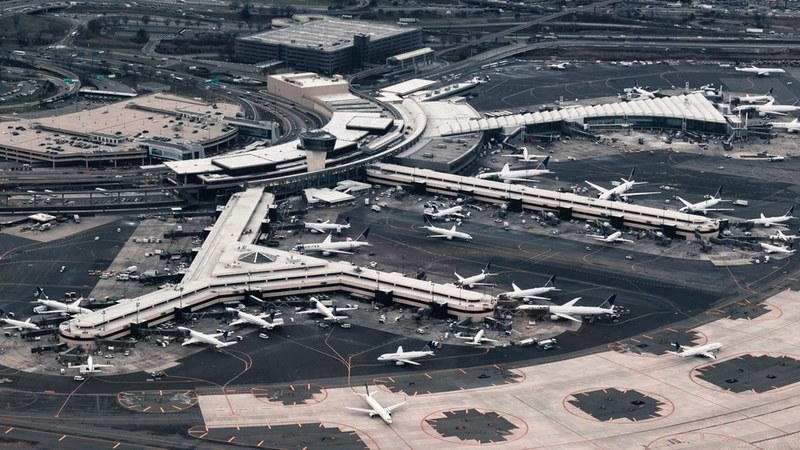
On August 1, 2026, the Federal Aviation Administration issued a ground stop affecting Delta Air Lines’ operations at Hartsfield-Jackson Atlanta International Airport, Delta’s largest hub. The ground stop halted or severely restricted departures, resulting in cancellations of more than half of Delta’s scheduled flights at the airport within hours. Hundreds of Delta flights faced significant delays or cancellations, causing an abrupt breakdown in normal operations at one of the world’s busiest airports.
Delta’s hub-and-spoke network relies heavily on Atlanta as the central connecting point for domestic and international flights. The airline’s tightly banked schedule at Atlanta, designed to maximize passenger
connections, was quickly disrupted by the ground stop. This disruption cascaded to other major Delta hubs including New York, Detroit, Minneapolis, and Salt Lake City as aircraft and crews were unable to reposition on time, triggering a series of rolling cancellations and delays.
Passenger concourses at Atlanta were filled with travelers seeking rebooking options. Many faced long waits at customer service counters and crowded gate areas. Numerous travelers encountered overnight delays as outbound aircraft remained parked at gates or remote stands. The challenge of re-accommodating passengers was heightened by the peak summer travel period, when flight load factors are high
and available seats on later flights or alternate routes are limited.
FAA ground stops are implemented as a traffic management tool when airspace capacity, safety considerations, or system limitations prevent normal aircraft flows. Similar past events at Delta include a July 2024 IT outage caused by a software failure that led to widespread ground stops and cancellations. Recovery from the August 1 disruption is expected to extend for at least a day after the ground stop is lifted, as Delta works to reposition aircraft and crews and restore its tightly coordinated schedule.