The Federal Aviation Administration (FAA) imposed a nationwide ground stop affecting Chicago O’Hare International Airport on Sunday, August 30, 2026. The ground stop temporarily halted many departures bound for Chicago and sharply limited arrivals into O’Hare, one of the nation’s busiest airports.
Thunderstorms Trigger FAA Ground Stop
Strong thunderstorms moving across northern Illinois caused unsafe conditions and congestion, triggering the FAA ground stop to manage airspace and ground traffic. Ground stops are used to pause or meter traffic when conditions become unsafe or congested, as was the case during fast-moving storm cells crossing the Chicago metro area.
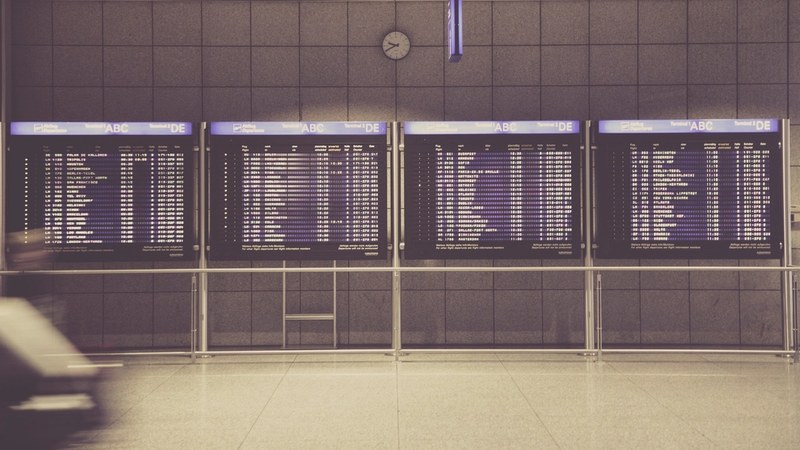
Delays Surge to Triple Digits Amid Traffic Management
Delays at O’Hare quickly reached triple digits during
the ground stop. Departure wait times to Chicago from major hubs in the Midwest, East Coast, and South often exceeded two hours, with some delays over three hours. FAA traffic management programs and ground stop measures remained in effect into early afternoon Sunday after the most severe weather cleared, continuing to restrict arrivals and departures.
O’Hare’s Capacity Limits and Summer Congestion
During peak days in Summer 2026, O’Hare handled more than 3,000 flights, exceeding the airport’s demonstrated capacity during key hours. The U.S. Department of Transportation and FAA have filed complaints about overscheduling at O’Hare, which, combined with ongoing construction and strict arrival/departure sequencing, leads to
chronic congestion and frequent ground delay programs.
Traveler Impact and Ongoing Disruptions
Travelers at O’Hare experienced delays often longer than two hours, with some flights delayed more than three hours. Connecting passengers faced slower gate turnovers and cascading delays due to fewer allowed arrivals. Passengers reported long waits on the tarmac, extended taxi times, and crowded gate areas, with disruptions lasting into the afternoon and knock-on effects expected into the evening. Airlines cautioned travelers to check individual flight status amid ongoing schedule shifts.
Regulatory Actions to Address Congestion Through 2027
The FAA and U.S. Department of Transportation have imposed schedule caps to reduce congestion and are coordinating with the Chicago Department of
Aviation to manage schedules more aggressively through at least October 2027. These measures seek to better align flight volumes with O’Hare’s capacity to mitigate delays and ground stops triggered by weather and high traffic volumes.