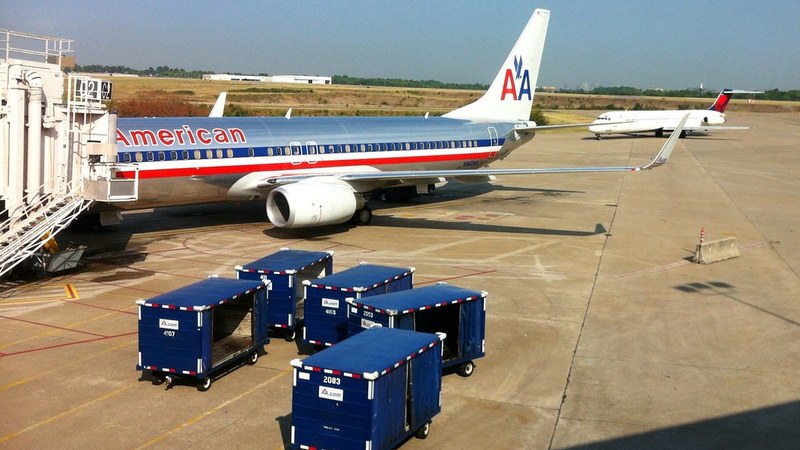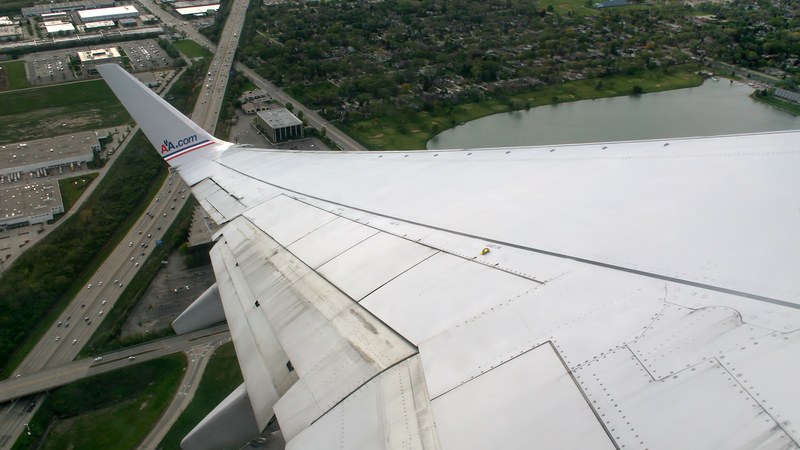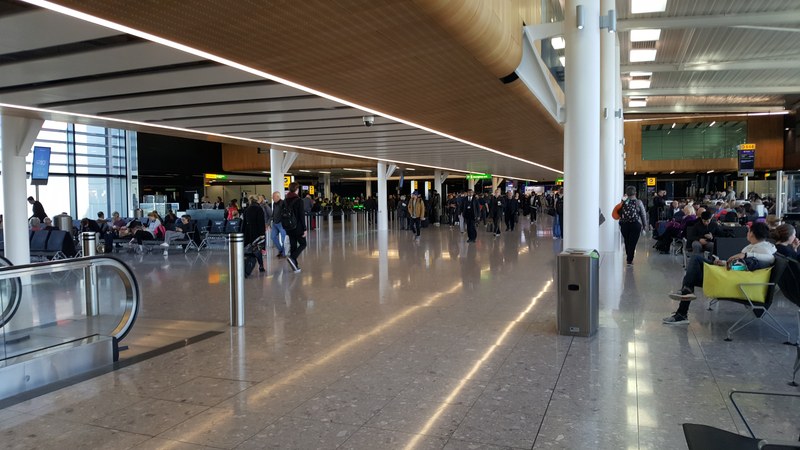
The Federal Aviation Administration (FAA) imposed a nearly two-hour ground stop at Chicago O’Hare International Airport on September 17, 2026, resulting in 1,055 flight delays and 175 cancellations at the airport. The average ground delay lasted 126 minutes, with thunderstorms passing through the Chicago region cited as the cause of the disruption.
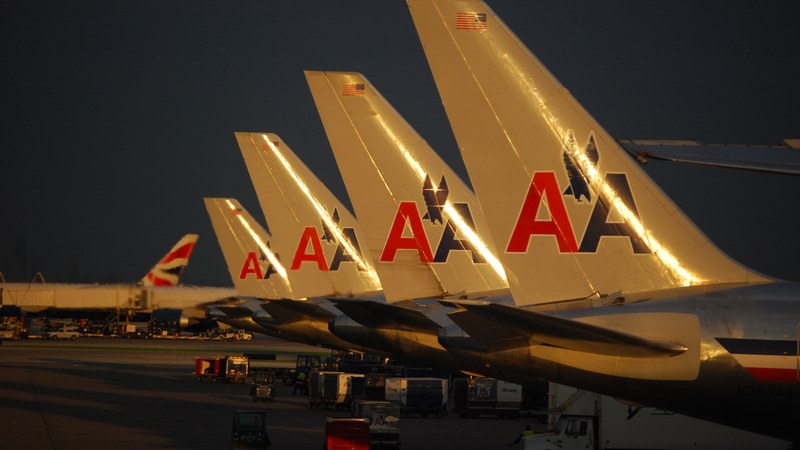
United Airlines and American Airlines, which both use O’Hare as a primary hub, faced significant operational challenges due to the ground stop. Southwest Airlines also experienced major delays nationwide, reporting 893 delayed flights, many linked to its Chicago operations. Regional carriers SkyWest, Republic Airways, and Envoy Air additionally
reported disruptions connected to the weather-related ground delay program at O’Hare.
Compared to other disruption days earlier in 2026, the September 17 event was unprecedented. In July 2026, O’Hare recorded only 326 delays and 18 cancellations, while mid-June saw 257 delays and 7 cancellations. The September 17 totals were approximately three to four times higher than those previous notable days.
O’Hare’s location subjects it to complex meteorological patterns from Canada, the Gulf of Mexico, and Lake Michigan. This contributes to frequent encounters with thunderstorms that require the FAA to implement traffic management procedures. Such restrictions reduce the number of aircraft
movements per hour, causing delays to compound quickly at one of the world’s busiest connecting hubs.
Passengers affected by cancellations on September 17 were eligible for full refunds to their original forms of payment without needing to accept vouchers. Travelers also have the right to deplane on domestic flights if tarmac delays exceed three hours, except for limited safety exceptions. The disruption led to missed connections, lengthy rebooking queues, and delayed aircraft and crew positioning that extended delays into the subsequent day. Residual delays were expected to continue even after the storms passed.
Department of Transportation rules mandate full refunds
for cancelled flights, but compensation for weather-related delays does not typically apply since such delays are outside airline control. Travelers were advised to build in extra connection time when routing through O’Hare following the storm and to prioritize morning departures where possible, as later flights absorbed the backlog caused by the ground stop.