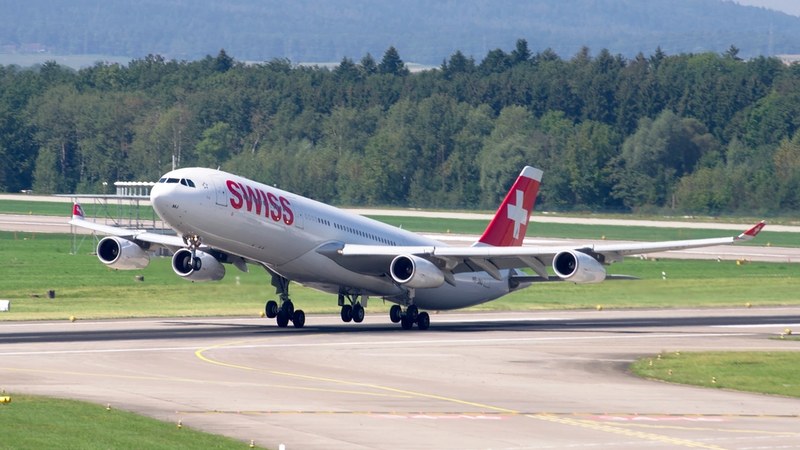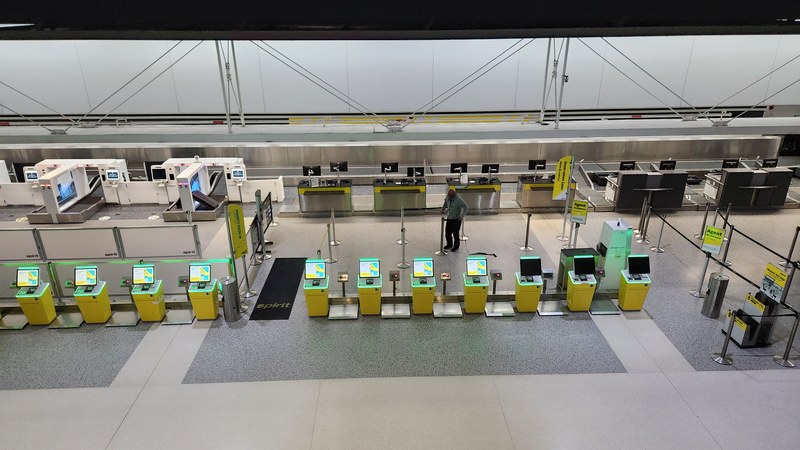
The Federal Aviation Administration (FAA) issued a ground delay program (GDP) affecting flights headed to Nashville International Airport (BNA) on Friday, September 18, 2026. The GDP was active from 2200 (10:00 PM) until 0359 (3:59 AM) the next day, regulating arrivals to manage inbound traffic flow.
The program’s parameters covered a scope radius of 1200 nautical miles, within which departures for Nashville were assigned delayed departure slots. Both the arrival acceptance rate (AAR) and planned rate were set at 28, reflecting the FAA’s cap on inbound arrivals to coordinate airport capacity. Public FAA data listed an average delay of roughly
46 minutes nationwide in programs active that evening, although actual arrival and departure delays at Nashville airport were reported at 15 minutes or less during the GDP.
The ground delay program was implemented due to staffing-related capacity reductions, as noted in FAA National Airspace System status information. Such constraints can arise from limited air traffic control tower or approach control staffing or broader system flow issues. Unlike a ground stop, which halts departures entirely, the GDP assigns scheduled departure times to flights destined for Nashville to manage the traffic volume safely.
Passengers flying to Nashville on September 18 experienced delayed
departures before takeoff at multiple airports across the 1200 nautical mile radius. Flight delays were primarily confined to Nashville-bound itineraries, while flights departing Nashville generally remained close to schedule. Connection changes were possible for travelers with connecting flights through Nashville if inbound delays reduced transfer times. Airline apps and text alerts provided updates reflecting revised departure times for individual flights affected by the program.
The FAA’s Air Traffic Control System Command Center, located in Virginia, coordinated the ground delay program nationally. Nashville International Airport itself does not issue FAA ground stops or ground delays; these traffic management decisions are made
by the FAA. The distinction is significant for passengers planning ground transportation or rebooking options.
Ground delay programs such as this can have systemic ripple effects beyond the affected airport, delaying departures at distant airports within the scope radius and potentially causing missed connections, crew scheduling issues, and aircraft rotation disruptions. Even after the scheduled end time of 0359, downstream effects commonly persist as airlines adjust operations to recover from the imposed delays.