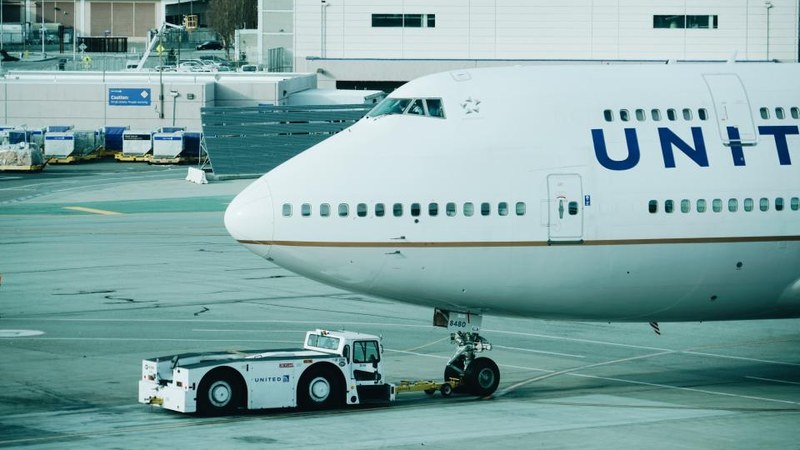
The Federal Aviation Administration implemented a ground delay program (GDP) on September 18, 2026, for flights scheduled to arrive at Nashville International Airport (BNA). The program was designed to manage inbound traffic flow due to staffing limitations.
Details of the Ground Delay Program
The GDP began at 2200 hours and was scheduled to last until 0359 hours the following day, September 19, 2026. It covered a radius of 1200 nautical miles around Nashville, within which departing flights bound for BNA were assigned delayed departure slots. The FAA set an arrival acceptance rate of 28 arrivals per hour to meter inbound traffic. At the time of activation,
the FAA’s national programs table reported an average delay value of 46 minutes associated with the GDP.
Ground Delay Program Versus Ground Stop
Unlike a ground stop, which halts departures entirely, a GDP assigns specific departure times to regulate the volume of flights arriving at a constrained airport. This approach helps maintain a safe and manageable flow without fully suspending departures. During the program, general arrivals and departures at Nashville showed delays of 15 minutes or less on FAA airport status pages, indicating that the GDP primarily regulates inbound flow without extensive visible congestion.
Staffing Constraints and Capacity Management
The FAA attributed the GDP to staffing-related capacity restrictions, which can result
from limited air traffic control personnel available for tower or approach positions at Nashville. These staffing constraints reduce the effective arrival capacity, prompting the FAA to implement the GDP to align demand with available services safely.
Coordination and National Impact
The FAA’s Air Traffic Control System Command Center in Virginia coordinated the deployment of the GDP. This center manages national air traffic initiatives, including ground delay programs, reroutes, and miles-in-trail restrictions to balance airport and airspace capacity. Since the GDP impacts departure slots within 1200 nautical miles of Nashville, flights at distant airports may experience delays before takeoff, affecting airline schedules, aircraft rotations, and
crew assignments nationwide.
Traveler Impact and Operational Responsibilities
The GDP chiefly affects flights destined for Nashville, causing expected inbound delays. Flights departing Nashville may maintain on-time departures despite delayed arrivals needed for subsequent legs. Passengers connecting through Nashville could face revised departure times or narrowed connection windows due to delayed inbound aircraft. The Nashville International Airport authority clarified it does not issue ground delays or stops; these decisions stem from the FAA. The FAA may adjust or cancel the GDP parameters based on evolving staffing and traffic conditions. Residual delays may continue after the official end time as airlines realign aircraft and crews.